Classic and Classy Motorcycles Ltd
Vintage and Classic Motorcycle Importers
1969 Suzuki T500 Project Barn Find Ref1623
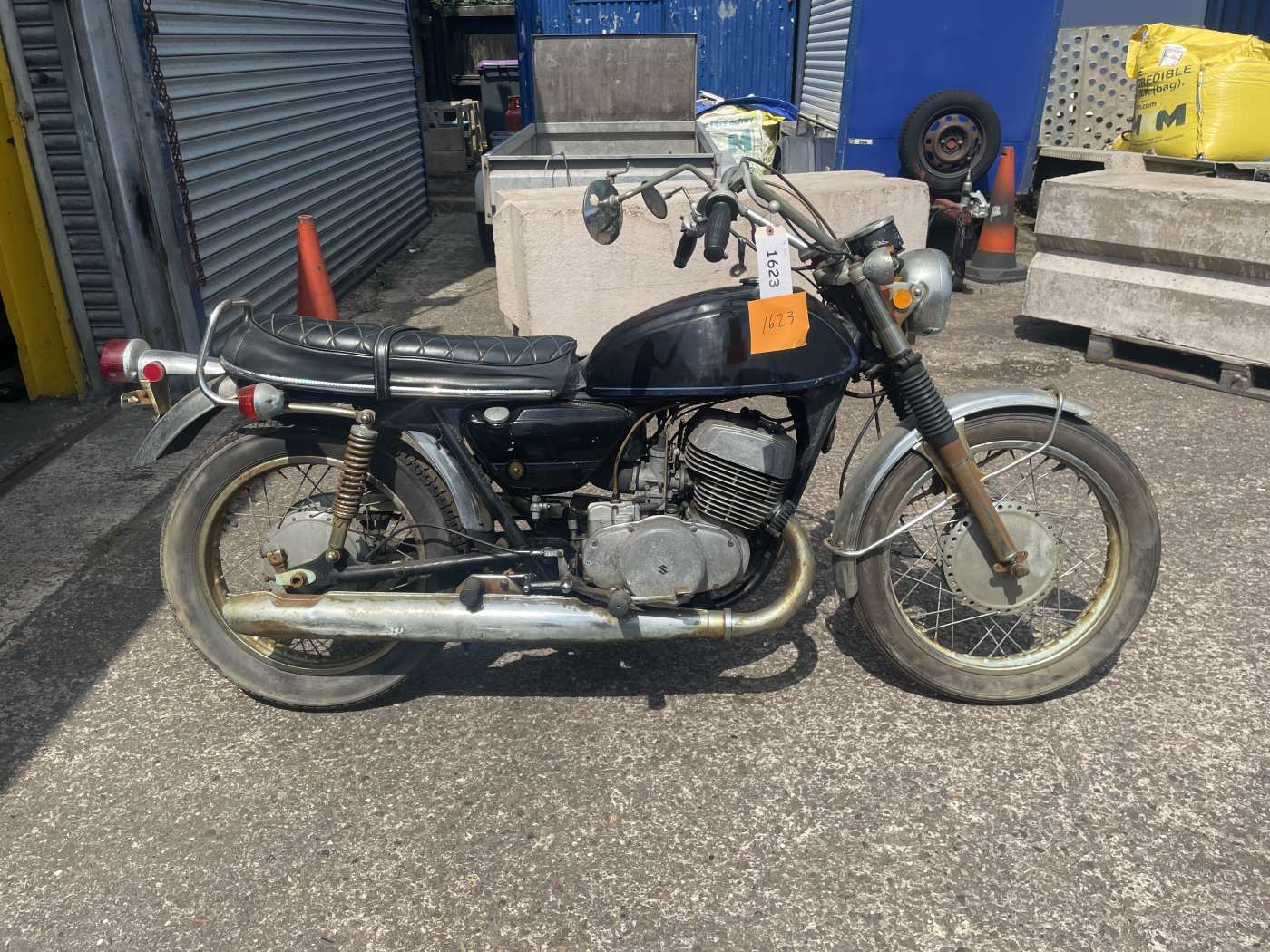
1969 Suzuki T500 – Classic Two-Stroke Twin Barn Find Project
Historical Context
The 1969 Suzuki T500 was one of the most important motorcycles in Suzuki’s early history and helped establish the company as a serious competitor in the growing international motorcycle market. Introduced in 1968, the T500 combined the simplicity and performance of a large-capacity two-stroke engine with impressive reliability and everyday usability. Known in some markets as the Cobra and later the Titan, the T500 quickly earned a reputation for durability and strong performance. At a time when many manufacturers were still producing smaller machines, Suzuki's 500cc twin demonstrated that a two-stroke motorcycle could be both practical and capable of long-distance touring. As a barn find project, this example represents an increasingly sought-after classic from the golden era of Japanese motorcycling.
Technical Specifications and Performance
• Year: 1969
• Make: Suzuki
• Model: T500
• Engine Displacement: 492cc
• Engine Type: Air-cooled parallel twin two-stroke
• Compression Ratio: Approx. 6.8:1
• Carburetion: Twin Mikuni carburetors
• Ignition System: Points ignition
• Transmission Type: 5-speed manual
• Final Drive: Chain
• Cooling System: Air-cooled
• Fuel Capacity: Approx. 4.5 gallons
• Braking System: Drum front and rear
• Dry Weight: Approx. 410 lbs
• Top Speed: Around 105 mph
Technical Advancements
The T500 stood out from many other large two-strokes of the era due to its exceptional reliability and robust engine design. Suzuki incorporated its proven CCI (Crankcase Cylinder Injection) oil injection system, eliminating the need for pre-mixing fuel and oil. The engine produced strong mid-range power and smooth performance for a two-stroke twin, making it suitable for both spirited riding and touring. Its simple construction and durable components helped build the model’s reputation as one of the most dependable motorcycles of its time.
Evolution of the Model
The T500 evolved from Suzuki’s earlier two-stroke twins and became one of the company’s flagship motorcycles before the arrival of larger triples and four-cylinder machines. Throughout its production life, the model received incremental improvements to styling, braking, and reliability while retaining the same basic engine architecture. The 1969 version remains one of the earliest and most desirable examples, representing Suzuki’s breakthrough into the large-capacity motorcycle market.
Competitors in the Market
In 1969, the Suzuki T500 competed with motorcycles such as the Triumph Bonneville 650, BSA Lightning, Norton Commando, and the Honda CB450. While many rivals relied on four-stroke engines, the Suzuki offered a unique combination of strong performance, lightweight handling, and two-stroke simplicity. Its reliability and ease of ownership helped it gain popularity in markets around the world.
Legacy and Appeal
Today, the 1969 Suzuki T500 is regarded as one of the finest classic Japanese two-strokes ever produced. Its combination of reliability, performance, and historical significance has made it increasingly collectible. As a barn find project, it offers excellent restoration potential and strong appeal among enthusiasts of classic Japanese motorcycles. Once restored, the T500 delivers a distinctive riding experience, characterised by smooth power delivery, lightweight handling, and the unmistakable sound of a large-capacity two-stroke twin.
Find Classic Motorcycles
Stay in the loop - Subscribe for Updates
One email notification a month when a new shipment arrives.
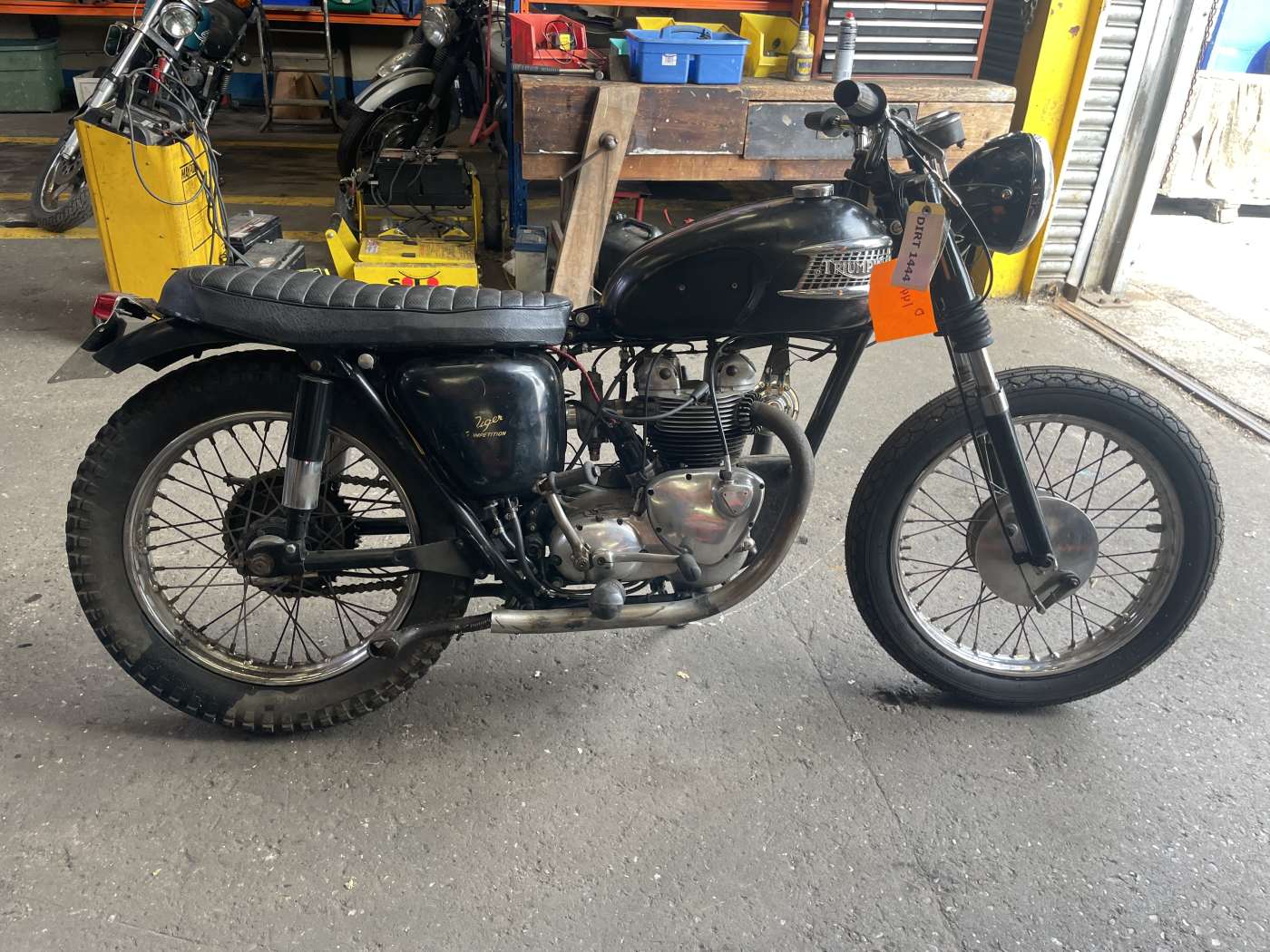 1962-Triumph-T100SS-Tiger-500cc-Running-Project-RefD1444
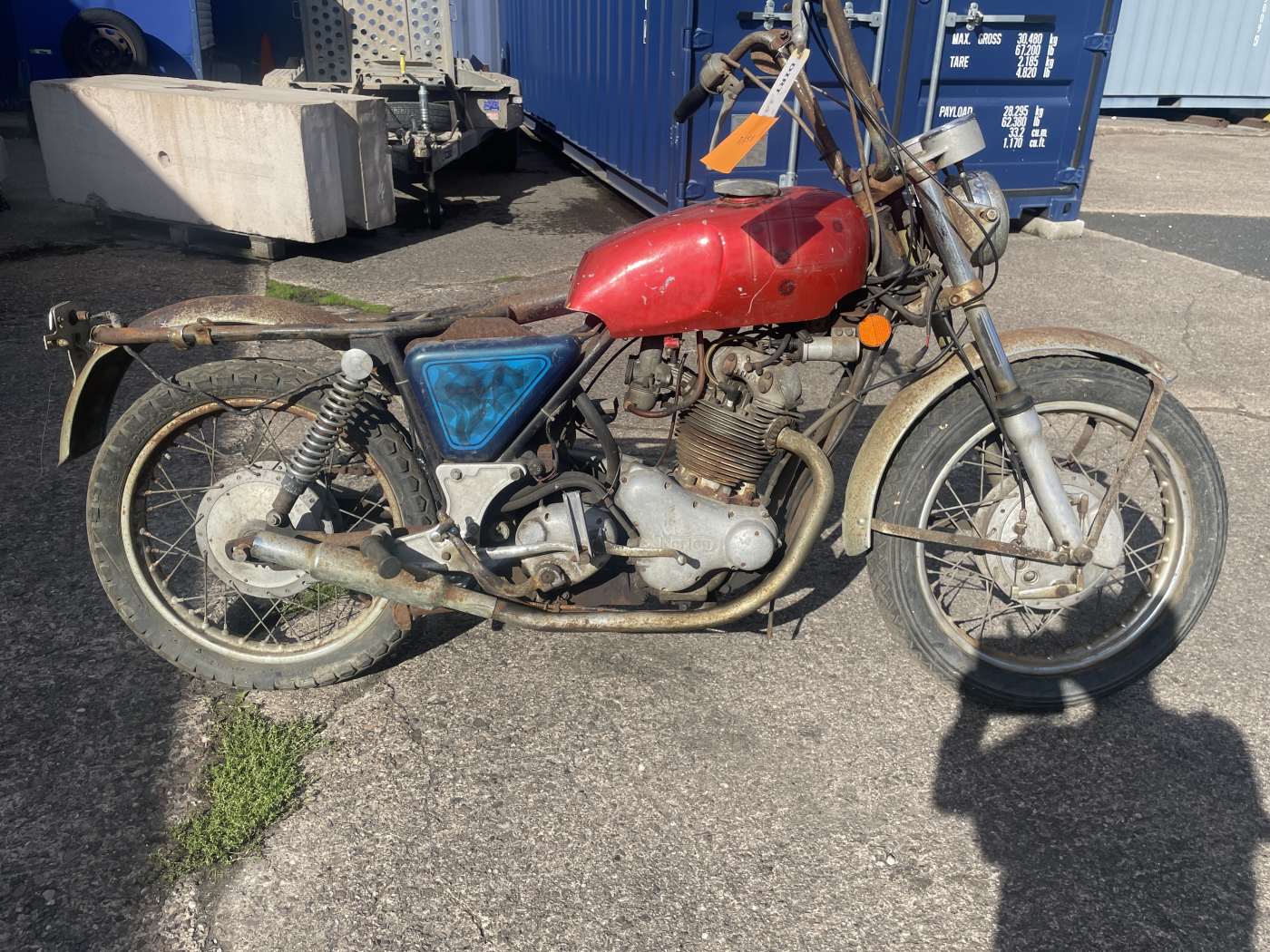 1971-Norton-Commando-750cc-Roadster-Project-Barn-Find-RefD1450
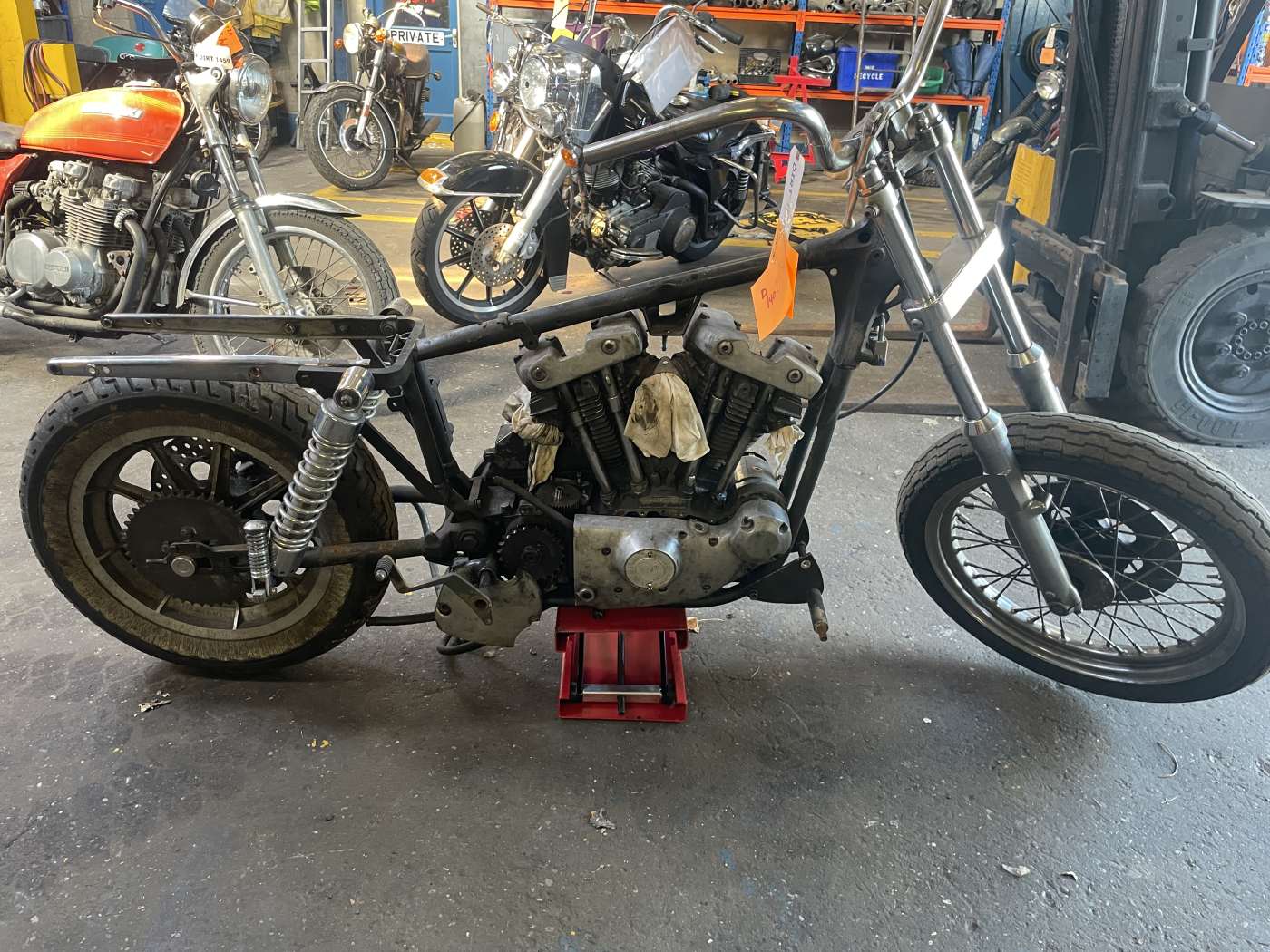 1974-Harley-Davidson-Ironhead-Sportster-1000cc-XLCH-Project-RefD1401
 1980-Harley-Davidson-Shovelhead-FXE-1340-Tour-Glide-Running-Project-Ref1643