Classic and Classy Motorcycles Ltd
Vintage and Classic Motorcycle Importers
1970 BSA A65T Thunderbolt 650cc Project RefD1409
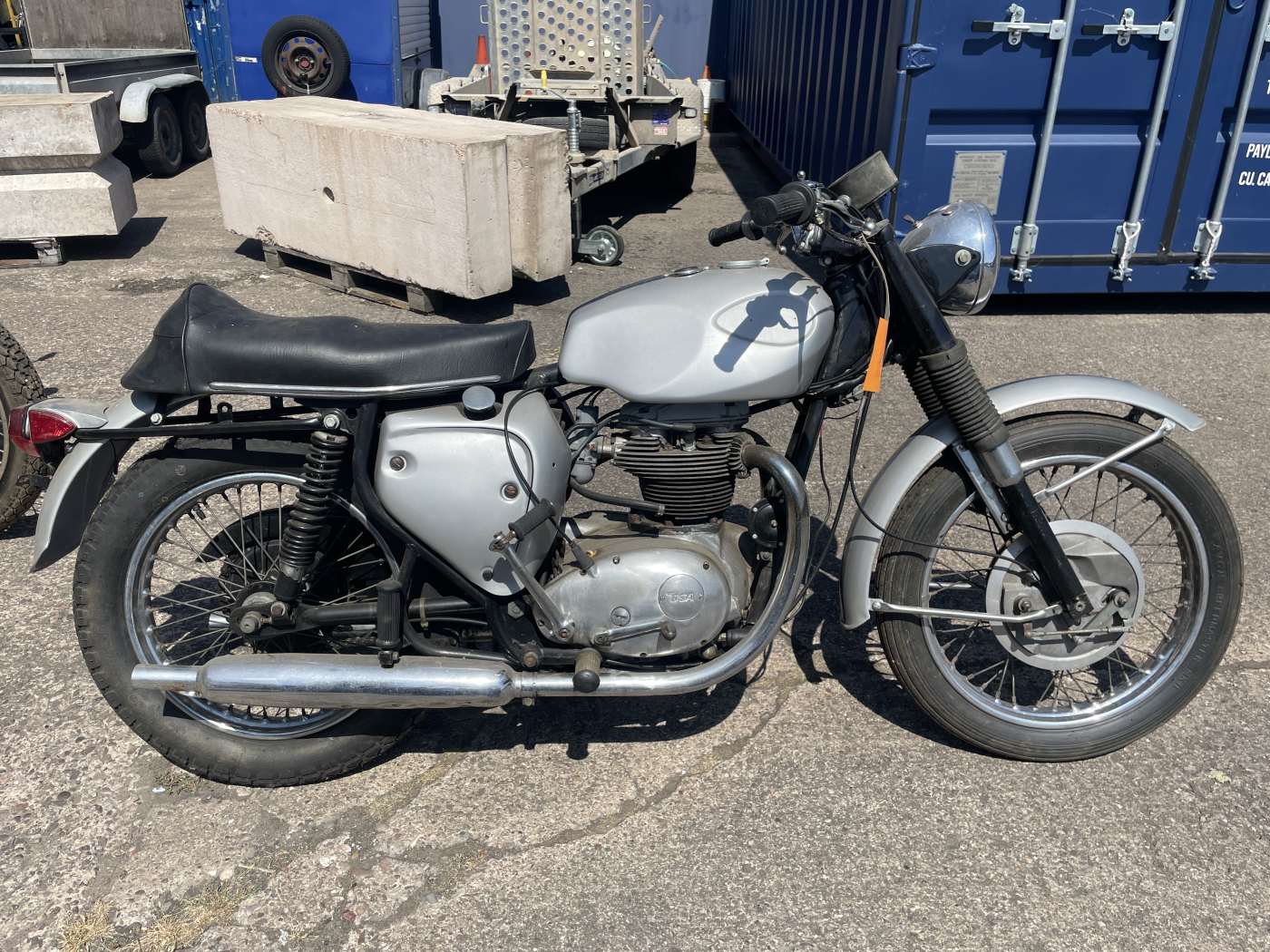
1970 BSA A65T Thunderbolt 650cc – Project Bike
Historical Context
The 1970 BSA A65T Thunderbolt was one of BSA’s well-established 650cc parallel twins and represented the more practical, single-carburettor side of the A65 range. While the twin-carburettor Lightning was aimed at riders wanting a sportier specification, the Thunderbolt was designed as a strong and dependable all-round road motorcycle. By 1970, BSA’s traditional British twins were facing increasingly strong competition from Japanese manufacturers, but the Thunderbolt remained popular for its straightforward engineering, torquey engine and classic styling.
Technical Specifications and Performance
• Year: 1970
• Make: BSA
• Model: A65T Thunderbolt
• Engine Displacement: 654cc
• Engine Type: Air-cooled OHV parallel twin
• Engine Construction: Unit construction
• Bore and Stroke: 75mm x 74mm
• Compression Ratio: Approx. 9:1
• Carburetion: Single Amal carburettor
• Starting System: Kick start
• Transmission Type: 4-speed manual
• Final Drive: Chain
• Cooling System: Air-cooled
• Braking System: Drum front and rear
• Top Speed: Approximately 100 mph, depending on condition and gearing
Technical Advancements
The A65 used unit construction, combining the engine and gearbox into a single compact assembly rather than the separate arrangement found on BSA’s earlier A10 twins. The Thunderbolt’s single-carburettor cylinder head provided simpler tuning and maintenance than the twin-carburettor Lightning while still delivering useful performance from the 654cc engine. This straightforward specification helped establish the Thunderbolt as a capable everyday road and touring motorcycle.
Evolution of the Model
BSA introduced the A65 family in the early 1960s as the successor to the successful pre-unit A10. The Thunderbolt developed into the principal single-carburettor road-going version, while the Lightning provided a higher-performance alternative. The A65 was continually refined throughout the 1960s, with improvements to the engine, chassis and cycle parts. The 1970 Thunderbolt represents one of the final versions of the conventional A65 before BSA introduced its substantially revised oil-in-frame range for the 1971 model year.
Competitors in the Market
In 1970, the A65T Thunderbolt competed with motorcycles including the Triumph TR6 Trophy, Triumph Bonneville, Norton Commando and Royal Enfield Interceptor. It also faced increasingly serious competition from Japanese motorcycles such as Honda’s CB750. The Thunderbolt offered a more traditional alternative, combining the distinctive feel of a large British parallel twin with relatively simple maintenance and comfortable road-going performance.
Legacy and Appeal
Today, the 1970 BSA A65T Thunderbolt is an attractive classic for enthusiasts who appreciate traditional British motorcycles. Its single-carburettor arrangement makes it relatively straightforward to maintain and tune, while the 650cc parallel twin provides plenty of classic BSA character. As a project bike, it offers the opportunity to restore one of the last conventional-frame A65 Thunderbolts and return an important example of BSA’s late-1960s engineering to the road.
Find Classic Motorcycles
Stay in the loop - Subscribe for Updates
One email notification a month when a new shipment arrives.
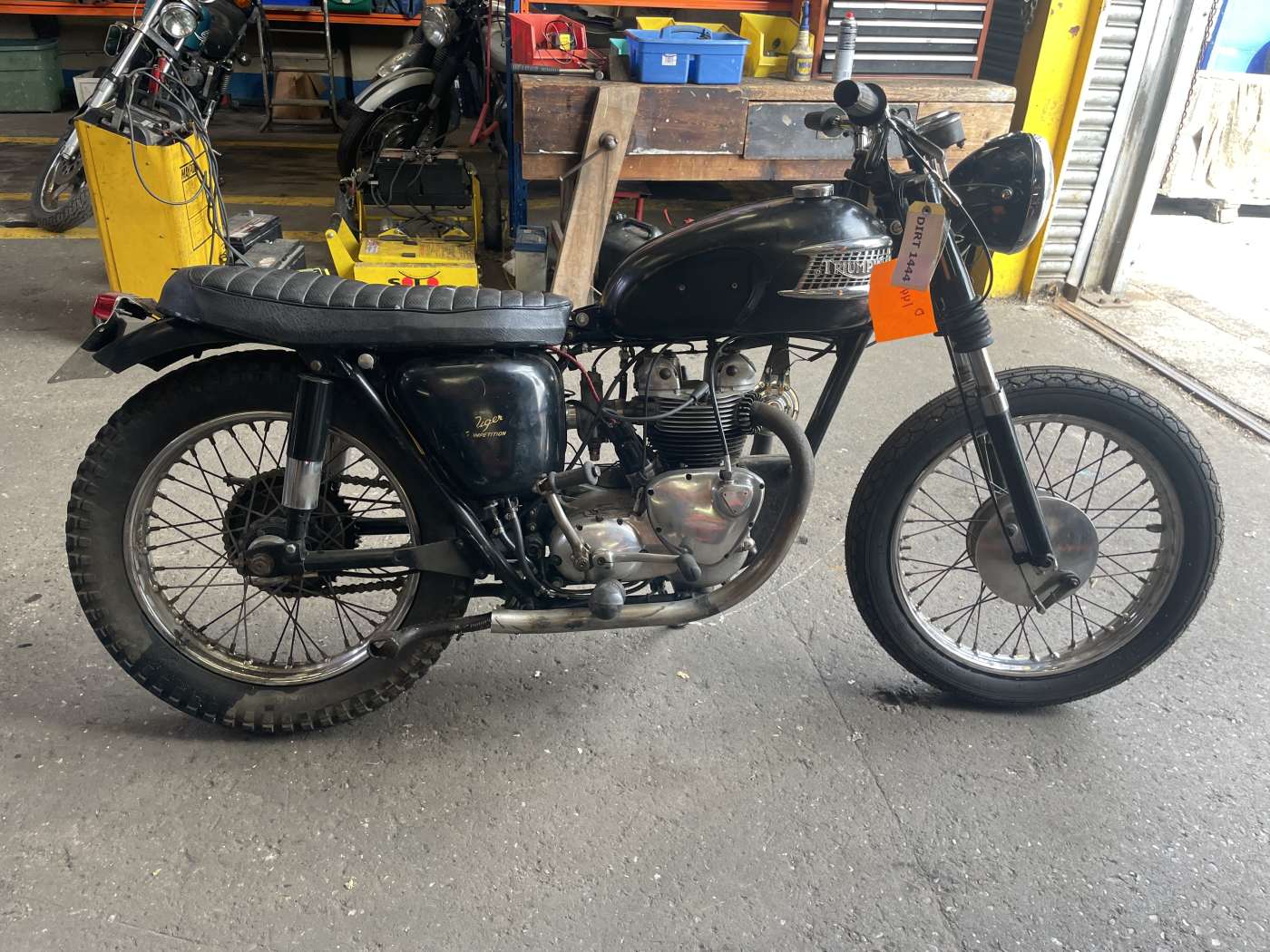 1962-Triumph-T100SS-Tiger-500cc-Running-Project-RefD1444
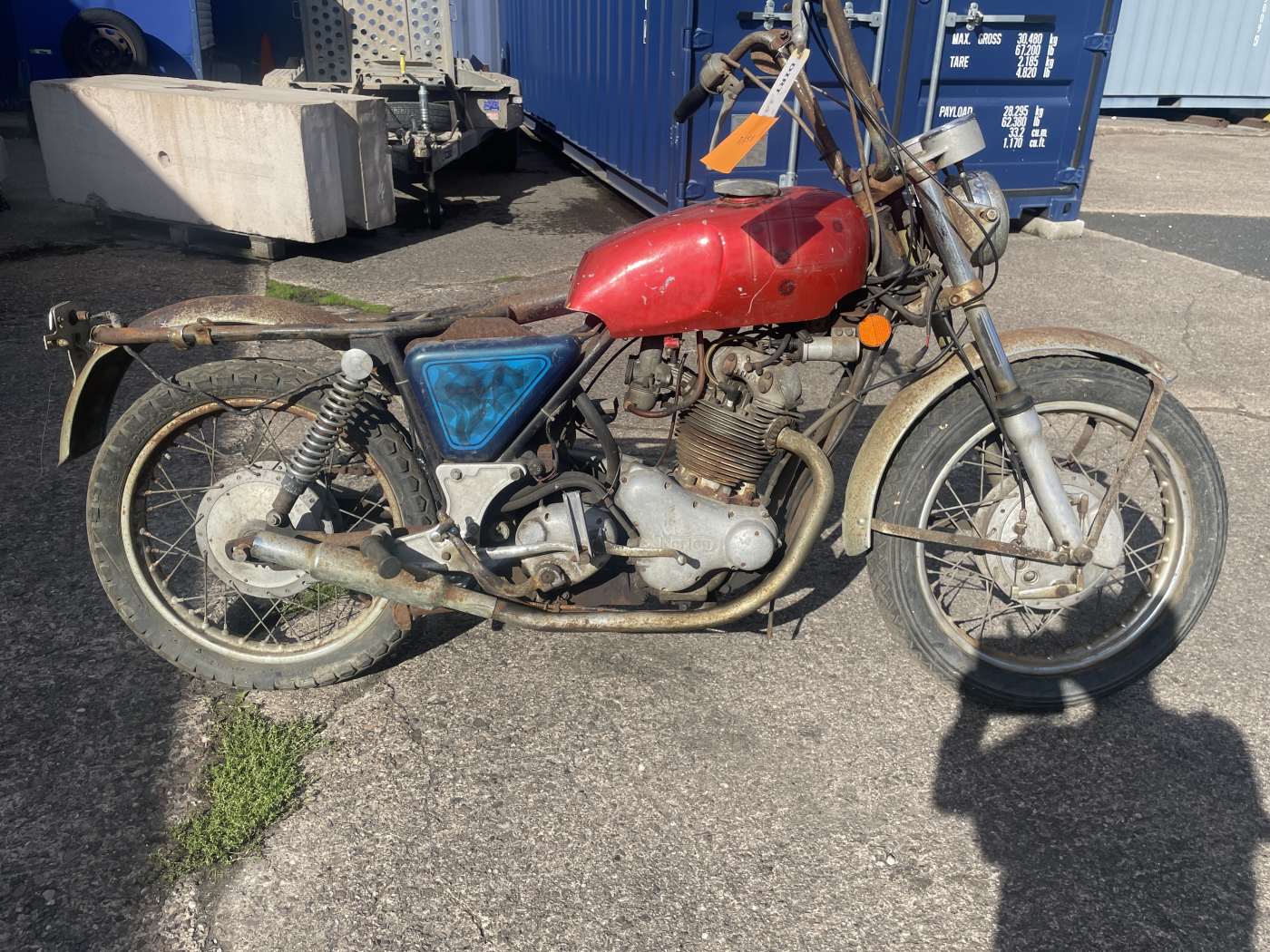 1971-Norton-Commando-750cc-Roadster-Project-Barn-Find-RefD1450
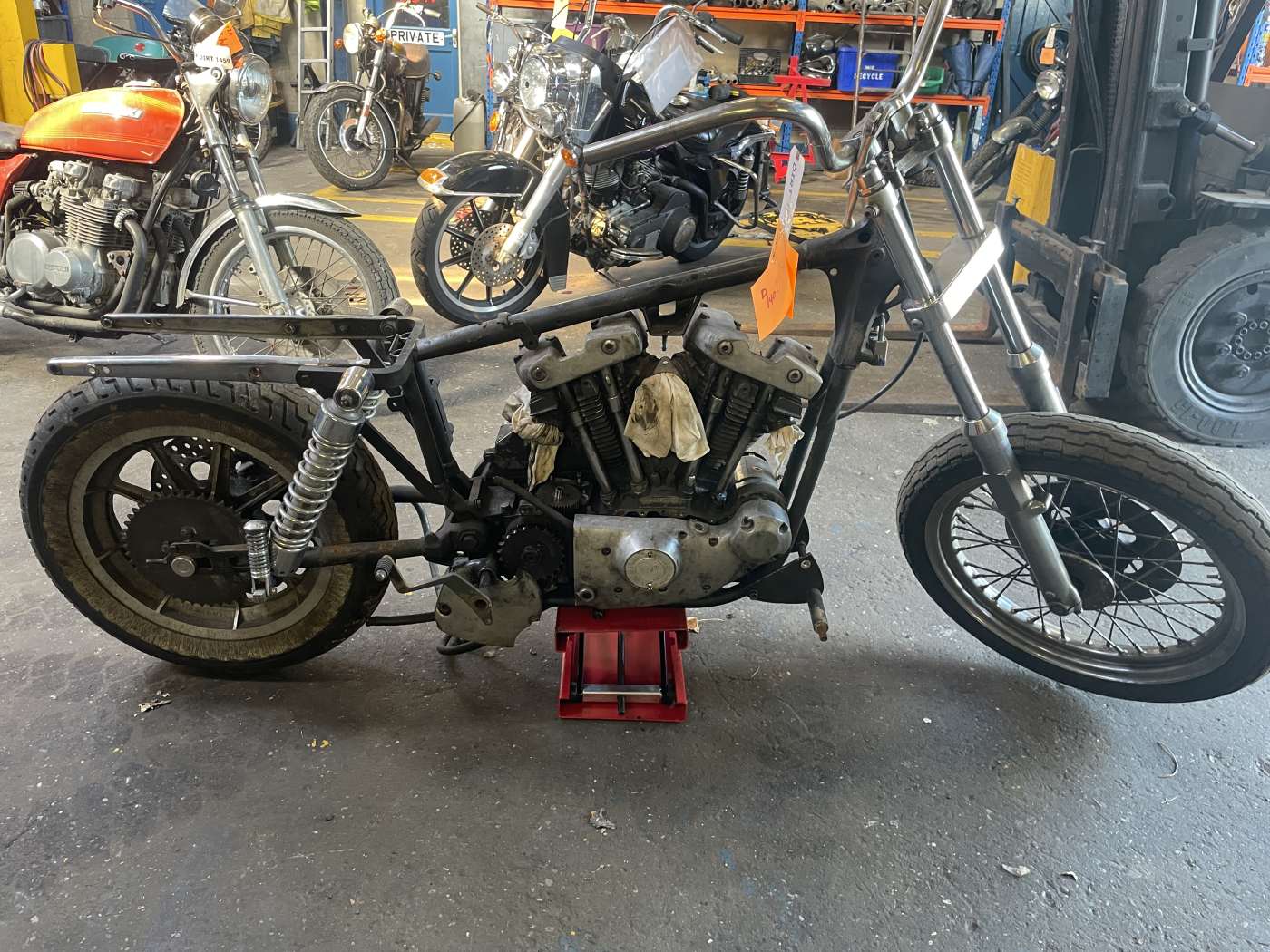 1974-Harley-Davidson-Ironhead-Sportster-1000cc-XLCH-Project-RefD1401
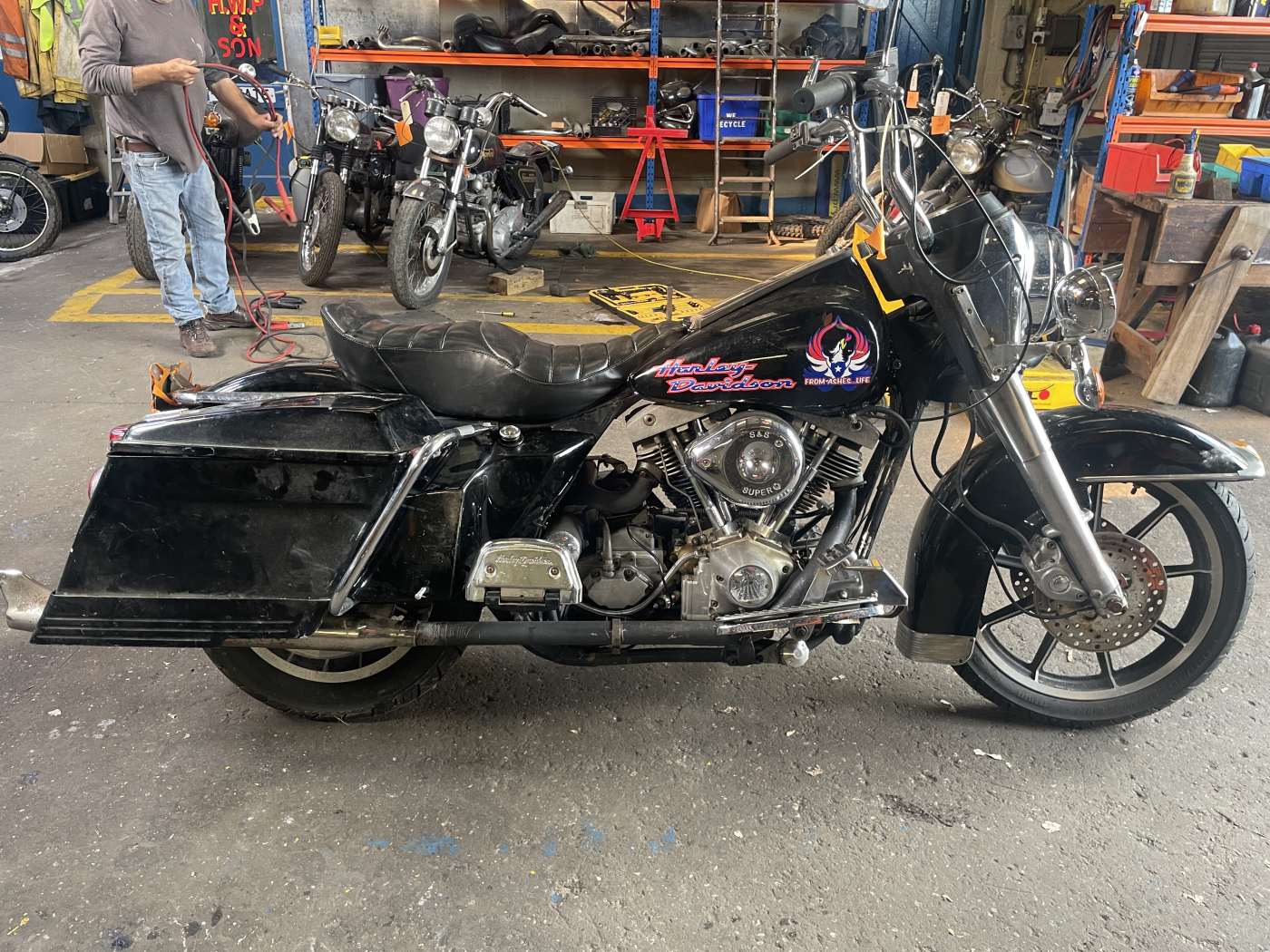 1980-Harley-Davidson-Shovelhead-FXE-1340-Tour-Glide-Running-Project-Ref1643