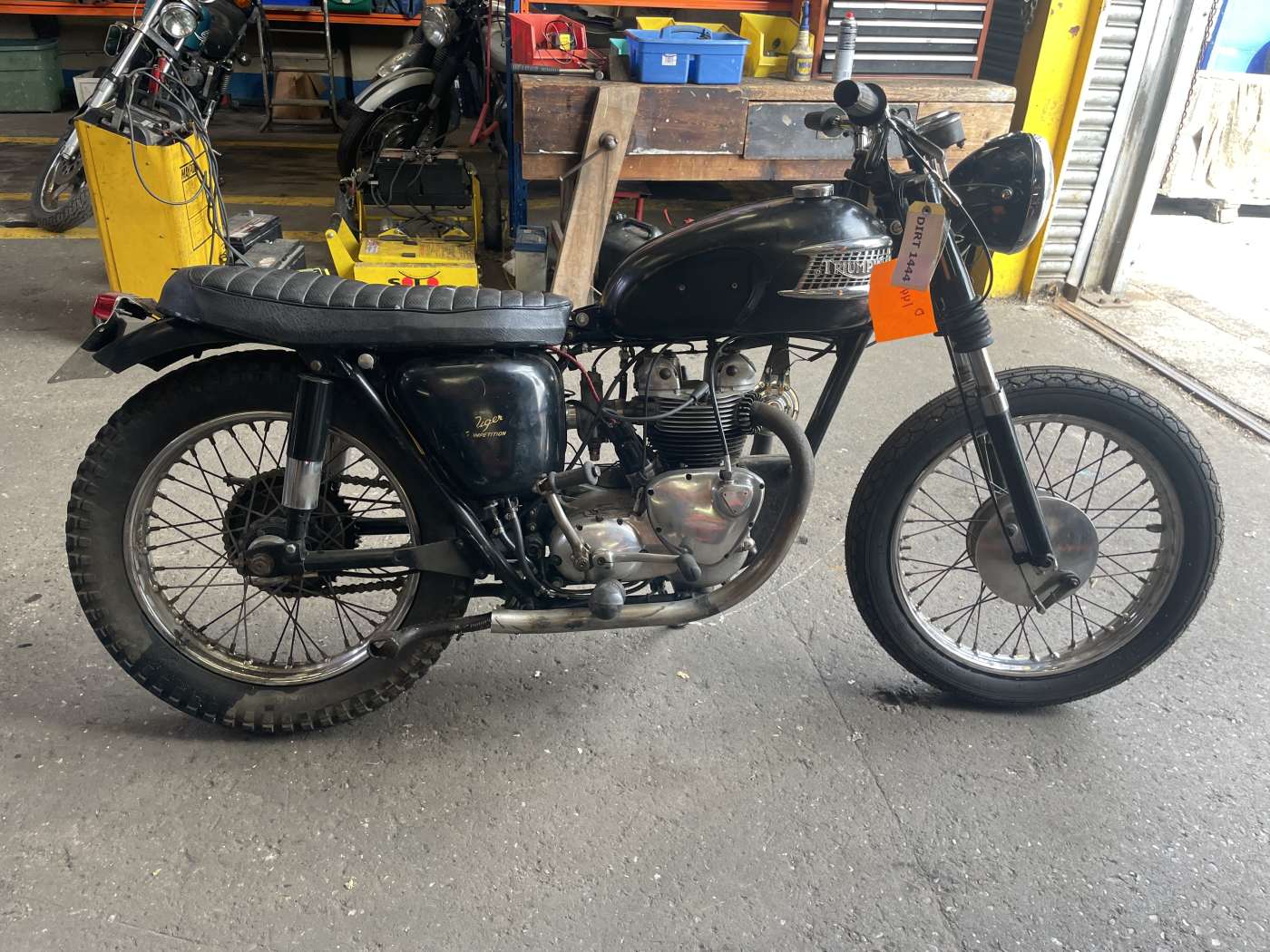
 1962-Triumph-T100SS-Tiger-500cc-Running-Project-RefD1444
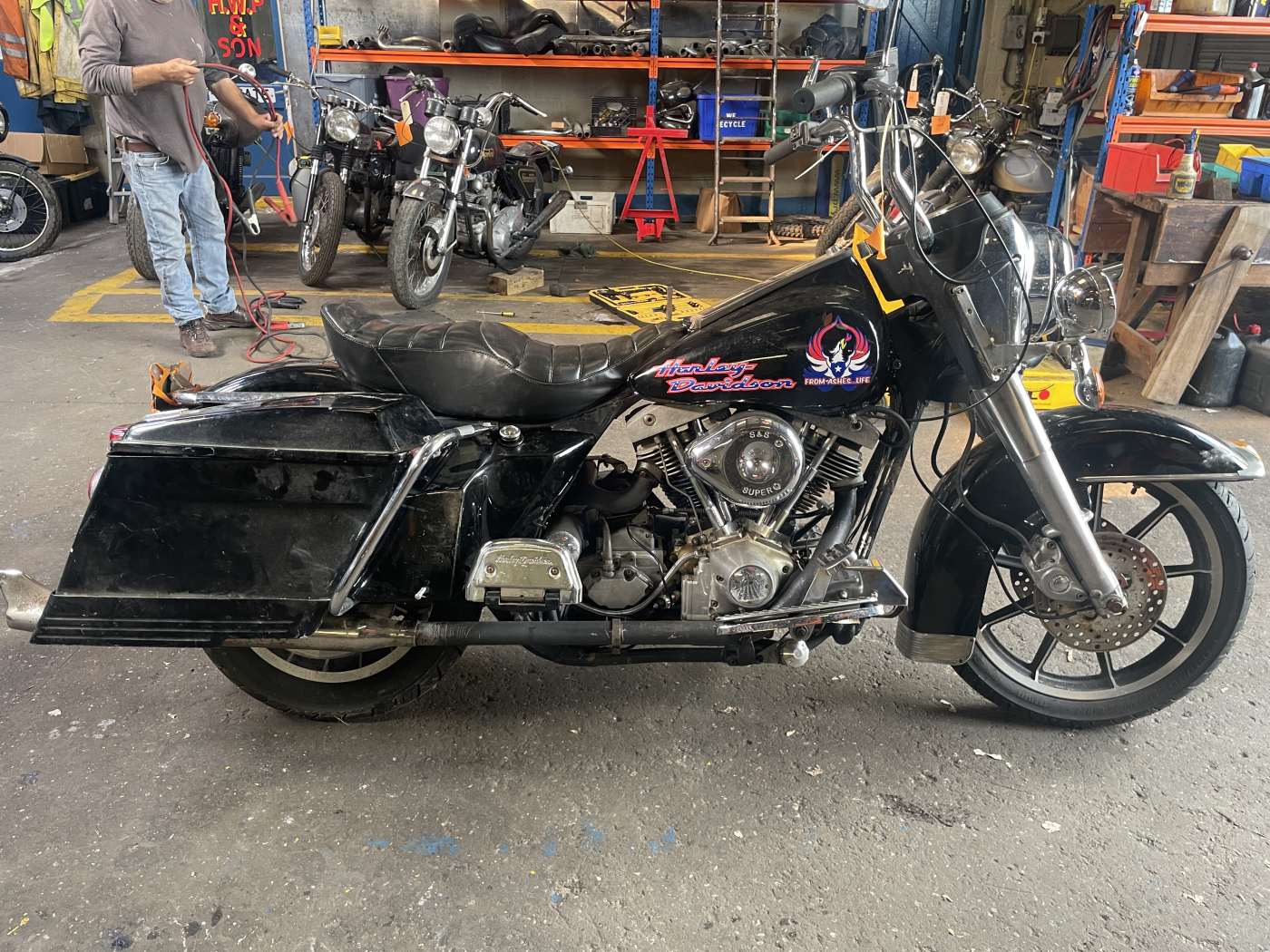 1980-Harley-Davidson-Shovelhead-FXE-1340-Tour-Glide-Running-Project-Ref1643
Historical Context
The 1972 Triumph Trident was one of the most important British performance motorcycles of the early 1970s. Powered by Triumph’s distinctive three-cylinder engine, the Trident had been developed from the company’s successful parallel-twin designs and was launched alongside the closely related BSA Rocket 3. With strong acceleration, a distinctive exhaust note and genuine high-speed ability, the Trident was among the fastest production motorcycles of its period. By 1972 it was competing in a rapidly changing market increasingly dominated by powerful multi-cylinder Japanese motorcycles.
Technical Specifications and Performance
• Year: 1972
• Make: Triumph
• Model: Trident 750
• Engine Displacement: 740cc
• Engine Type: Air-cooled OHV inline three-cylinder four-stroke
• Bore and Stroke: 67mm x 70mm
• Carburetion: Three Amal Concentric carburettors
• Starting System: Kick start
• Transmission Type: 4-speed or 5-speed depending on exact 1972 specification
• Final Drive: Chain
• Cooling System: Air-cooled
• Braking System: Drum or front disc depending on production specification
• Power: Approximately 58 bhp
• Top Speed: Approximately 120 mph depending on specification and conditions
Technical Advancements
The Trident’s three-cylinder engine was its defining feature. Developed by effectively adding another cylinder to Triumph’s established twin-cylinder architecture, the design provided smoother power delivery and greater performance while retaining much of the character of a traditional British motorcycle. Its three Amal carburettors and distinctive three-cylinder exhaust note helped give the Trident a unique identity, while later developments brought improvements including a 5-speed gearbox and disc braking.
Evolution of the Model
The original T150 Trident appeared at the end of the 1960s and was developed alongside BSA’s closely related Rocket 3. The model evolved considerably during the early 1970s, with changes to its frame, styling, gearbox and braking equipment. This makes the exact specification of a 1972 machine dependent upon its production date and market. The later T150V incorporated a 5-speed gearbox, while further development eventually produced the T160 Trident with electric starting and a revised chassis.
Competitors in the Market
The Trident competed with motorcycles including the Norton Commando, Honda CB750 and, from 1972, Kawasaki’s formidable 903cc Z1. Although the Japanese four-cylinder machines offered greater refinement and increasingly advanced equipment, the Triumph remained highly regarded for its performance, handling and distinctive three-cylinder character. Racing success also helped establish the Triumph and BSA triples as some of the most memorable British performance motorcycles of the period.
Legacy and Appeal
Today, the Triumph Trident is recognised as one of the landmark British superbikes of the late 1960s and early 1970s. As a barn-find project, this 1972 example offers the opportunity to investigate its surviving components and exact specification before deciding on the level of restoration required. Early Triumph triples have strong enthusiast and specialist support, and their combination of performance history, distinctive engineering and unmistakable three-cylinder sound makes them particularly interesting classic motorcycle restoration projects.
One email notification a month when a new shipment arrives.
1962-Triumph-T100SS-Tiger-500cc-Running-Project-RefD14441980-Harley-Davidson-Shovelhead-FXE-1340-Tour-Glide-Running-Project-Ref1643