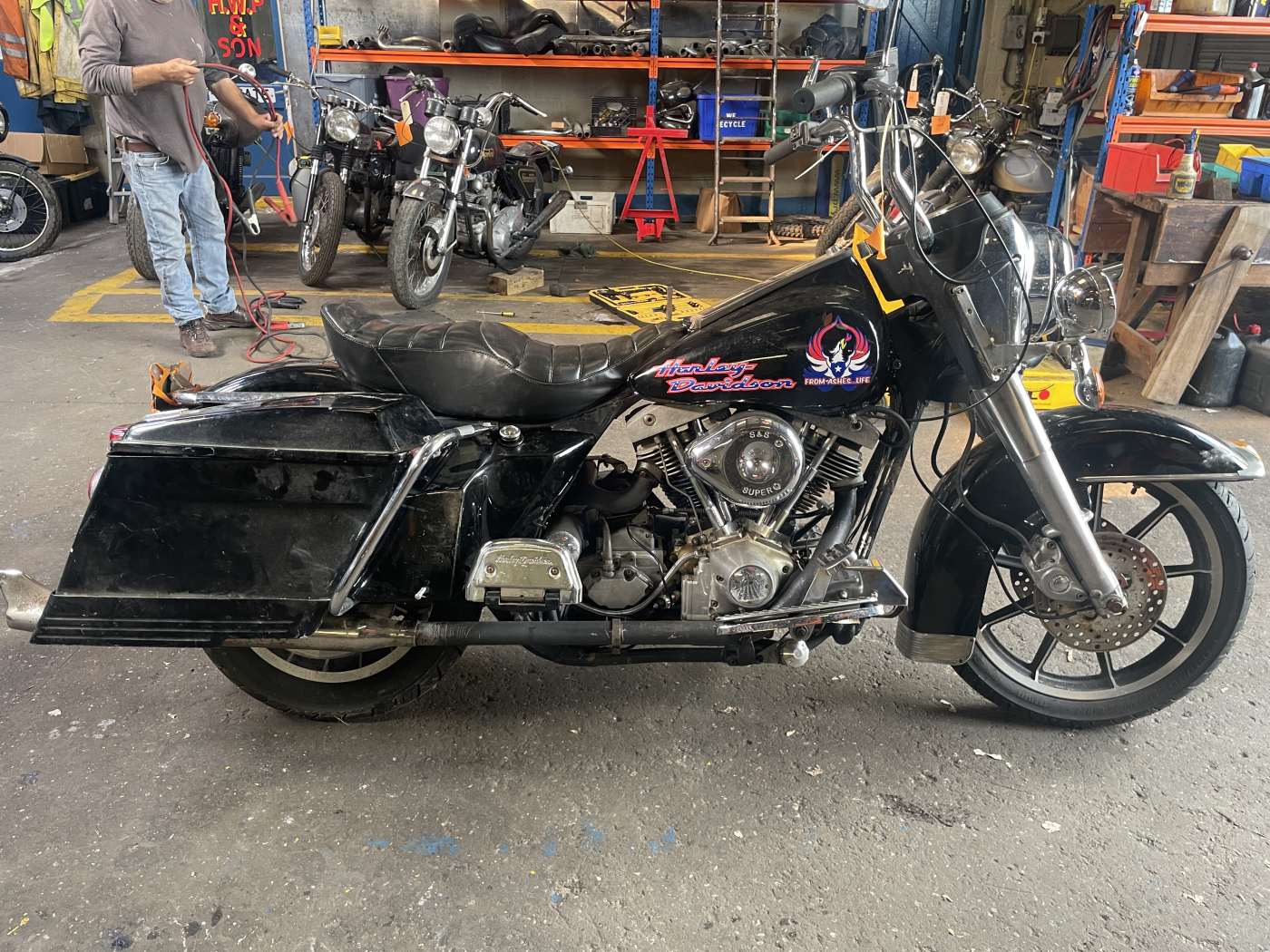
 1980-Harley-Davidson-Shovelhead-FXE-1340-Tour-Glide-Running-Project-Ref1643
Historical Context
The 1979 Harley-Davidson FLH 80 was part of Harley’s long-established touring lineup, designed for comfort, distance, and unmistakable American V-twin presence. The FLH designation had been in use for decades, representing the larger Big Twin models fitted with full touring equipment. By 1979, the engine had grown to 1340cc (80 cubic inches), delivering improved torque and cruising ability. Built during the AMF ownership era, the FLH still retained its classic styling and loyal following, even as the company faced increasing competition from more modern and technically advanced motorcycles. The Electra Glide version, with its large fairing and touring features, was aimed squarely at riders covering long distances in comfort.
Technical Specifications and Performance
• Year: 1979
• Make: Harley-Davidson
• Model: FLH 80 (Electra Glide)
• Engine Displacement: 1340cc (80 cubic inches)
• Engine Type: Air-cooled OHV 45° V-twin (Shovelhead)
• Compression Ratio: Approx. 8.0:1
• Carburetion: Keihin carburetor
• Ignition System: Points ignition (some later upgraded)
• Transmission Type: 4-speed manual
• Final Drive: Chain
• Cooling System: Air-cooled
• Fuel Capacity: Approx. 5.0 gallons
• Braking System: Disc front and rear
• Dry Weight: Approx. 720 lbs
• Top Speed: Around 100 mph
Technical Advancements
By 1979, the FLH featured electric start as standard, making it far more practical for touring use. The 1340cc Shovelhead engine delivered strong low-end torque, ideal for carrying rider, passenger, and luggage over long distances. The addition of disc brakes improved stopping performance compared to earlier drum setups. Touring models like the FLH also featured large saddlebags, a windshield or fairing, and a comfortable dual seat, all contributing to its reputation as a capable long-distance machine.
Evolution of the Model
The FLH evolved from earlier Hydra-Glide and Duo-Glide models into the Electra Glide series, incorporating electric start and improved suspension over time. By the late 1970s, it had become Harley-Davidson’s flagship touring motorcycle. The 1979 model represents the mature form of the Shovelhead touring platform, just before the major changes that would arrive in the 1980s with new frames and engines. It maintained the traditional styling and mechanical layout that had defined Harley touring bikes for decades.
Competitors in the Market
In 1979, the FLH faced increasing competition from motorcycles such as the Honda Gold Wing GL1000 and BMW R100RT. These bikes offered smoother engines, shaft drive, and more advanced engineering, but the Harley held its ground with unmatched character, torque, and visual presence. For many riders, the FLH was not just a touring bike—it was a statement of style and identity.
Legacy and Appeal
Today, the 1979 FLH 80 Shovelhead is a highly desirable classic among Harley-Davidson enthusiasts. It represents the end of an era before major technological changes reshaped the brand. As a restoration project or usable classic, it offers strong parts availability and a rewarding ownership experience. With its iconic styling, deep V-twin sound, and long-distance capability, the FLH remains one of the most recognisable touring motorcycles ever produced.
One email notification a month when a new shipment arrives.
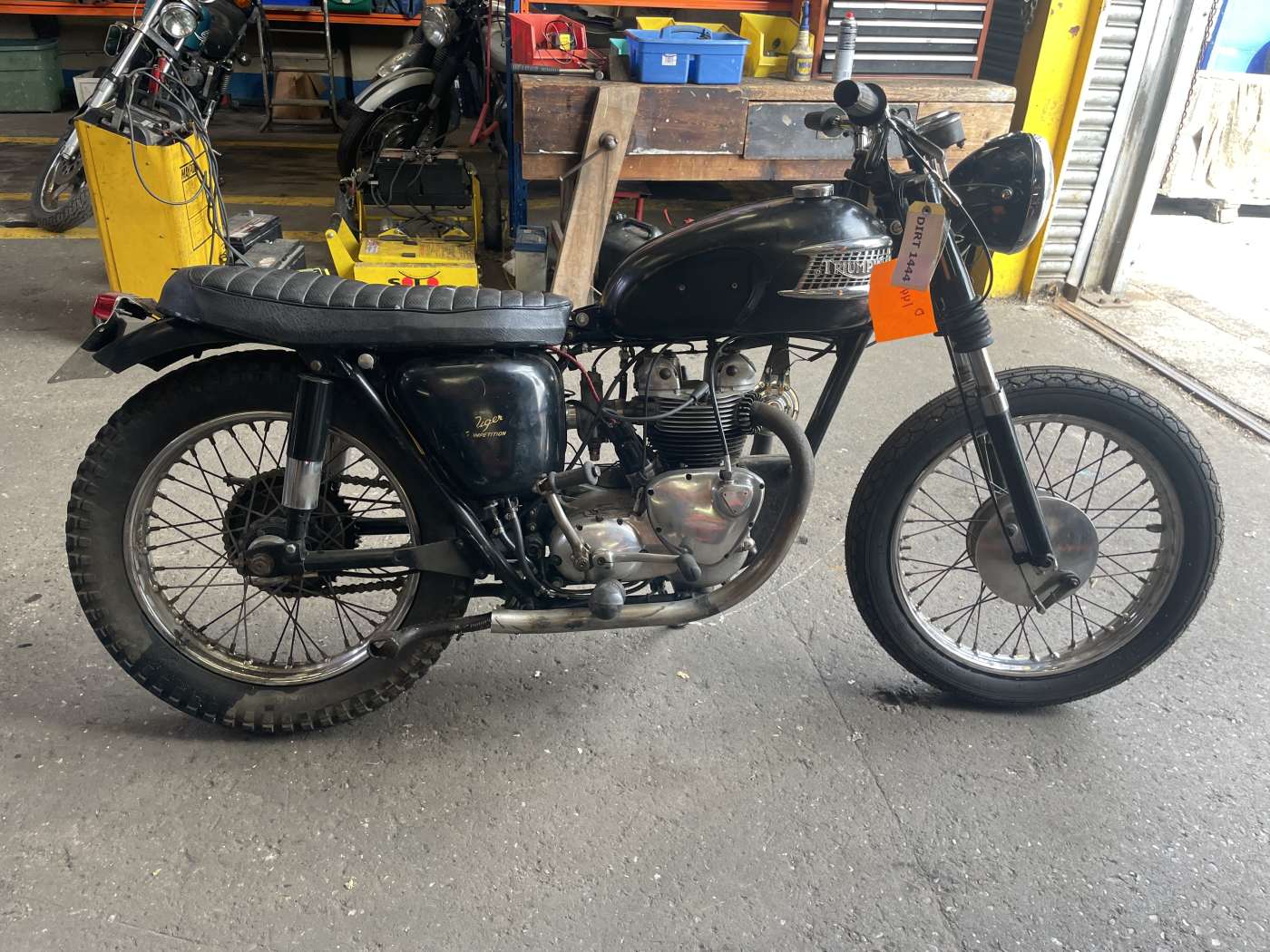 1962-Triumph-T100SS-Tiger-500cc-Running-Project-RefD1444
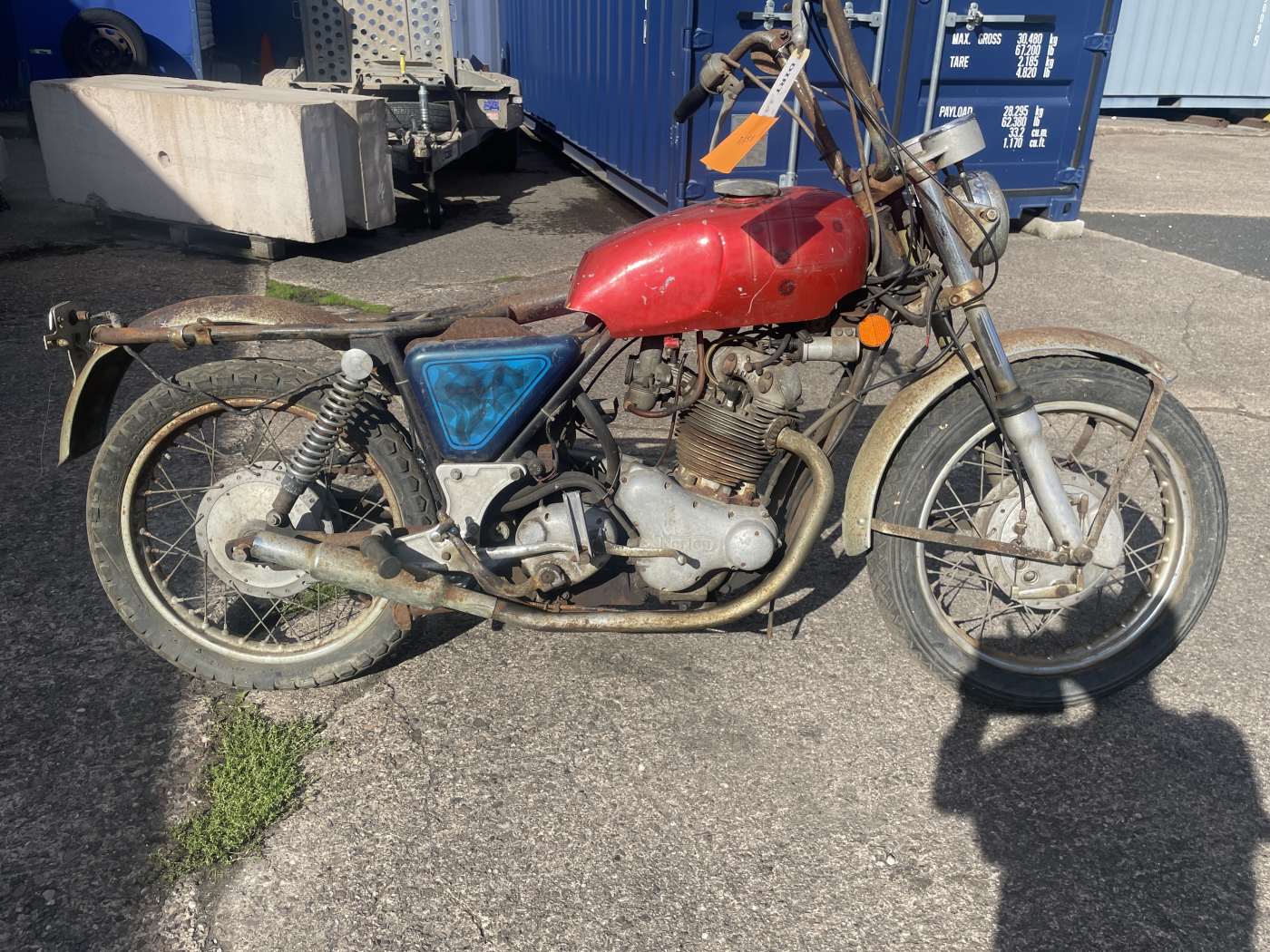 1971-Norton-Commando-750cc-Roadster-Project-Barn-Find-RefD1450
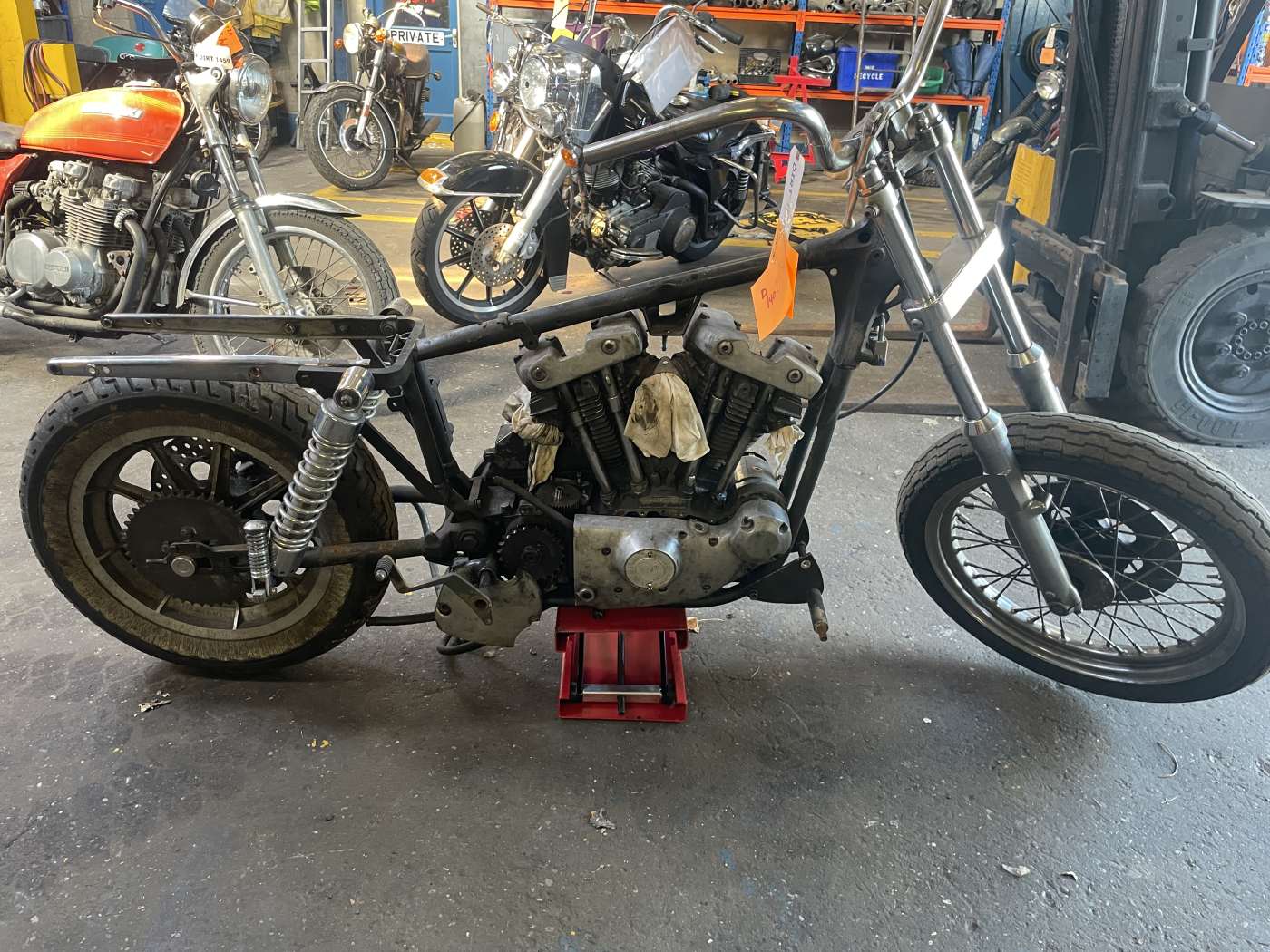 1974-Harley-Davidson-Ironhead-Sportster-1000cc-XLCH-Project-RefD1401