Classic and Classy Motorcycles Ltd
Vintage and Classic Motorcycle Importers
1971 BSA B50T Victor 500cc Running Project Ref1635
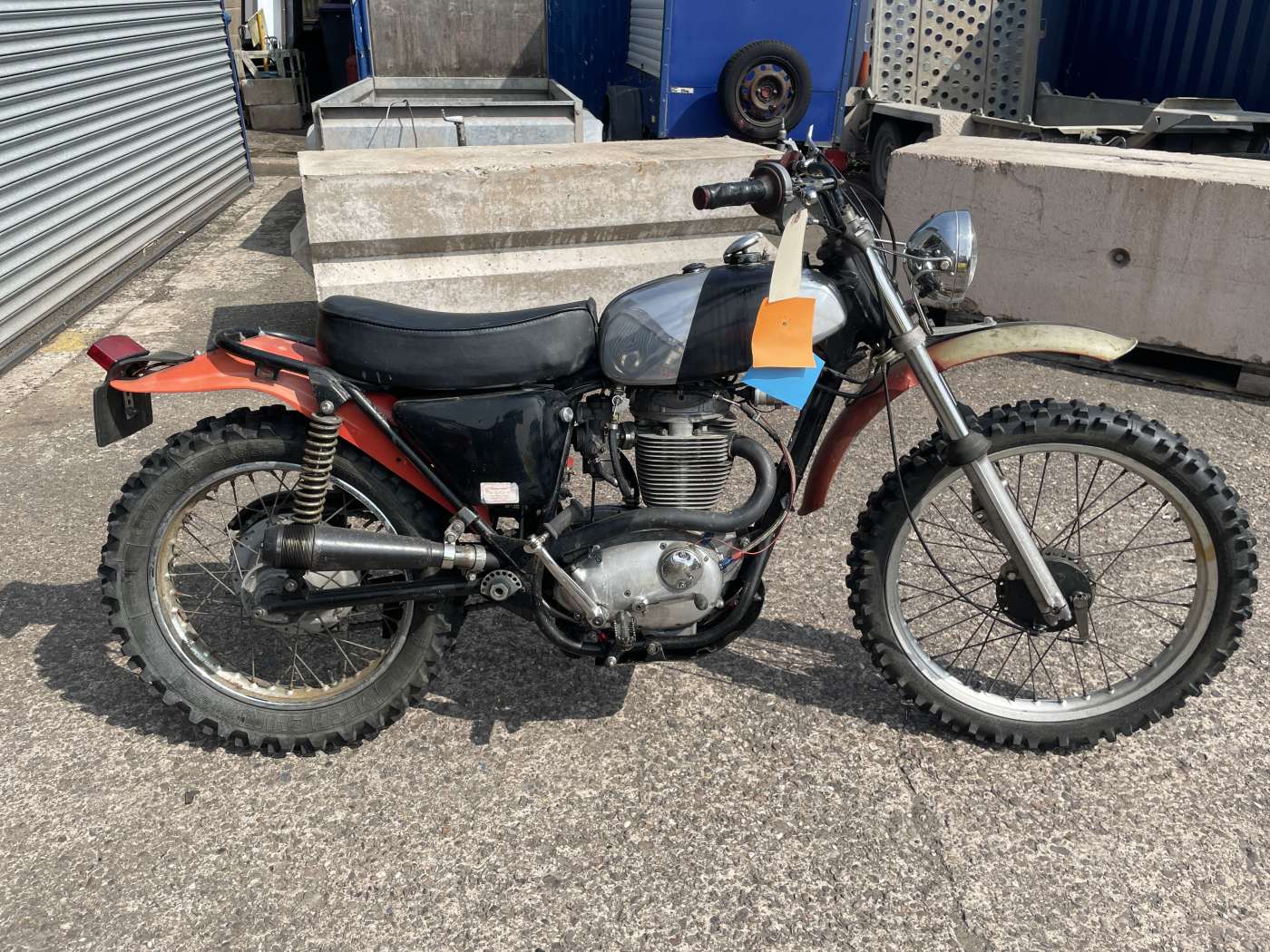
1971 BSA B50T Victor 500cc – Running Project
Historical Context
The 1971 BSA B50T Victor was one of the final large-capacity single-cylinder motorcycles produced by BSA. Introduced as the successor to the successful 441cc B44 Victor, the B50 enlarged the engine to 499cc and continued BSA’s long tradition of sporting and competition-inspired singles. The B50T was the trail-orientated version of the range and was particularly suited to the important American market, where lightweight British motorcycles with both road and off-road ability had developed a strong following.
Technical Specifications and Performance
• Year: 1971
• Make: BSA
• Model: B50T Victor
• Engine Displacement: 499cc
• Engine Type: Air-cooled OHV single-cylinder four-stroke
• Engine Construction: Unit construction
• Bore and Stroke: 84mm x 90mm
• Compression Ratio: Approx. 8.5:1
• Carburetion: Amal concentric carburettor
• Starting System: Kick start
• Transmission Type: 4-speed manual
• Final Drive: Chain
• Cooling System: Air-cooled
• Frame: Oil-in-frame design
• Braking System: Drum front and rear
• Top Speed: Approximately 85–90 mph depending on gearing and conditions
Technical Advancements
The B50 represented the final development of BSA’s unit-construction single-cylinder engine family. Capacity was increased from the B44’s 441cc to 499cc, providing greater torque while retaining the relatively simple and lightweight OHV design. For 1971, BSA adopted its new oil-in-frame chassis, using the frame itself to carry the engine oil rather than a separate conventional oil tank. The B50T combined this new chassis with trail-orientated equipment to produce a versatile motorcycle suitable for both road and recreational off-road use.
Evolution of the Model
The B50 developed directly from BSA’s successful B44 Victor family, whose origins were closely linked to the company’s competition singles of the 1960s. The 499cc B50 appeared in several forms, including the B50T Victor trail model, B50SS Gold Star roadster and the more competition-orientated B50MX. Although technically an interesting development of the BSA single, the B50 arrived during a difficult period for the British motorcycle industry and remained in production for only a relatively short time before BSA motorcycle production ended.
Competitors in the Market
In 1971, the B50T competed in a rapidly changing market. Japanese manufacturers including Honda, Yamaha, Suzuki and Kawasaki were producing increasingly capable trail motorcycles, while Triumph continued to offer its own road and off-road models. The BSA’s appeal came from its large 500cc single-cylinder engine, relatively light construction and genuine connection with the company’s extensive competition heritage.
Legacy and Appeal
Today, the BSA B50T Victor is particularly interesting as one of the last traditional big singles produced by BSA. Its short production period, distinctive oil-in-frame chassis and 499cc engine make it an important motorcycle from the closing chapter of the original BSA company. As a running project, this example offers the advantage of a motorcycle that can potentially be enjoyed while further mechanical or cosmetic improvements are carried out. For enthusiasts of classic British singles, the B50T combines character, rarity and an important place in BSA history.
Find Classic Motorcycles
Stay in the loop - Subscribe for Updates
One email notification a month when a new shipment arrives.
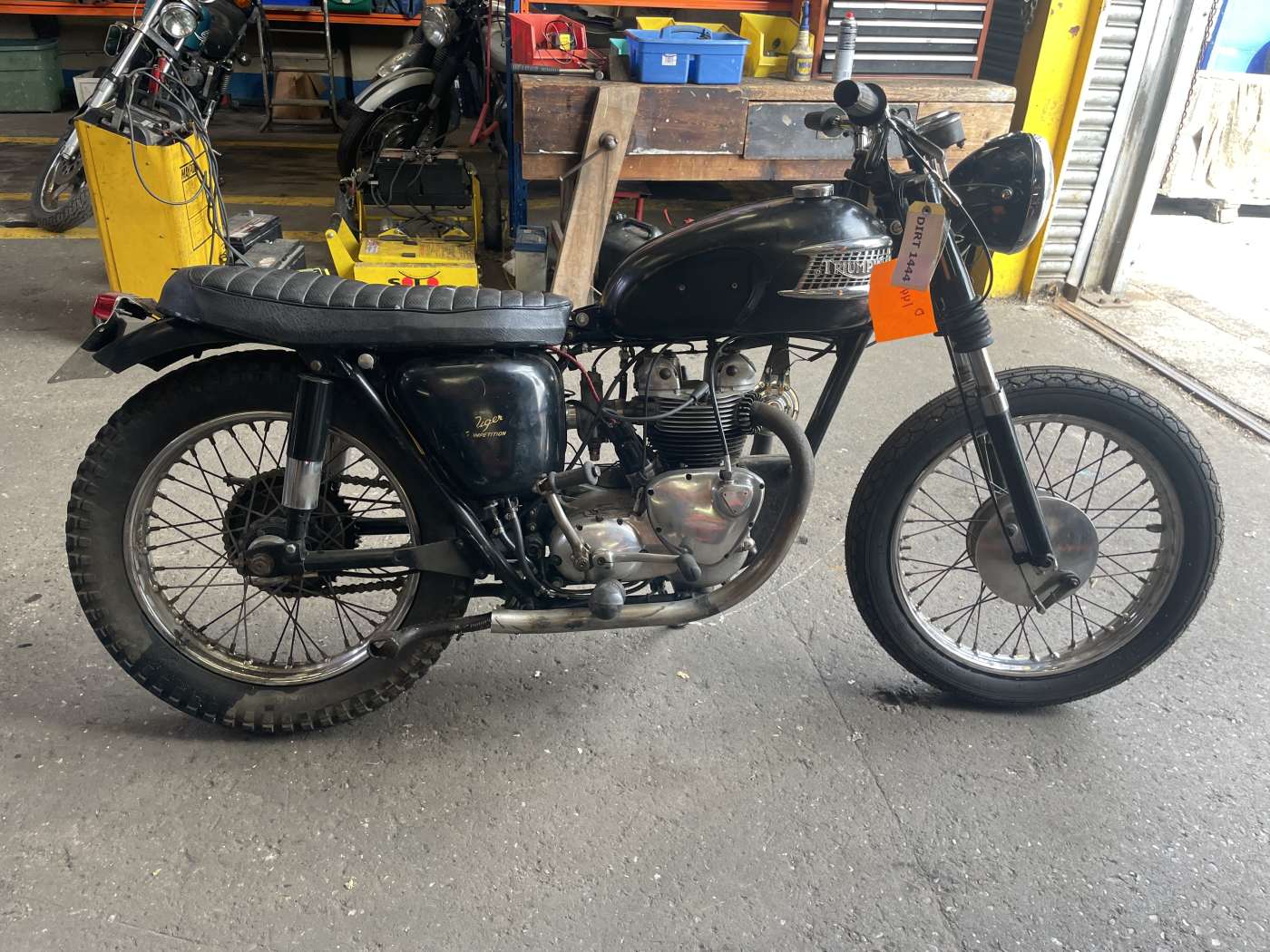 1962-Triumph-T100SS-Tiger-500cc-Running-Project-RefD1444
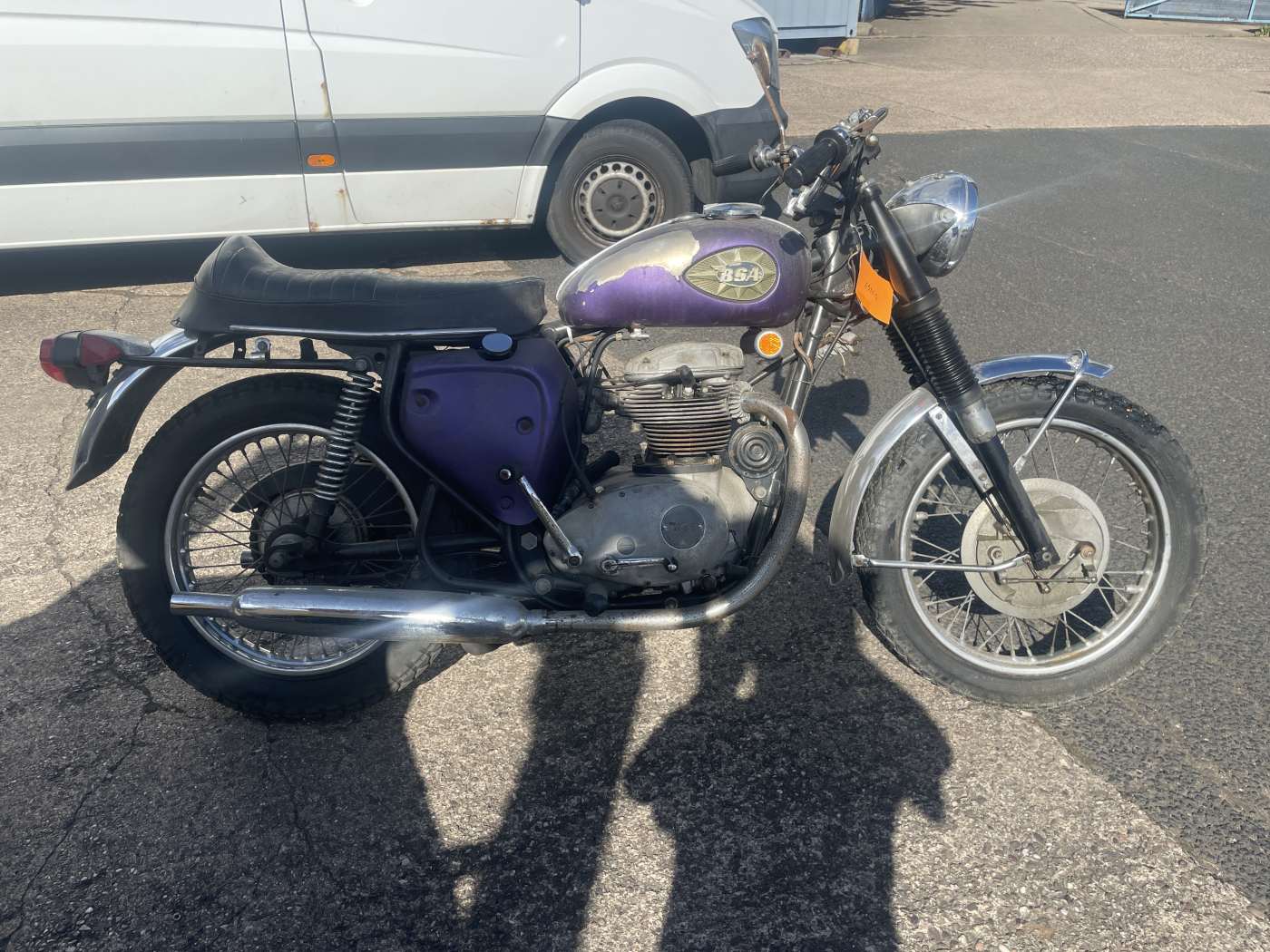 1970-BSA-500cc-A50R-Royal-Star-Project-Barn-Find-RefD1468
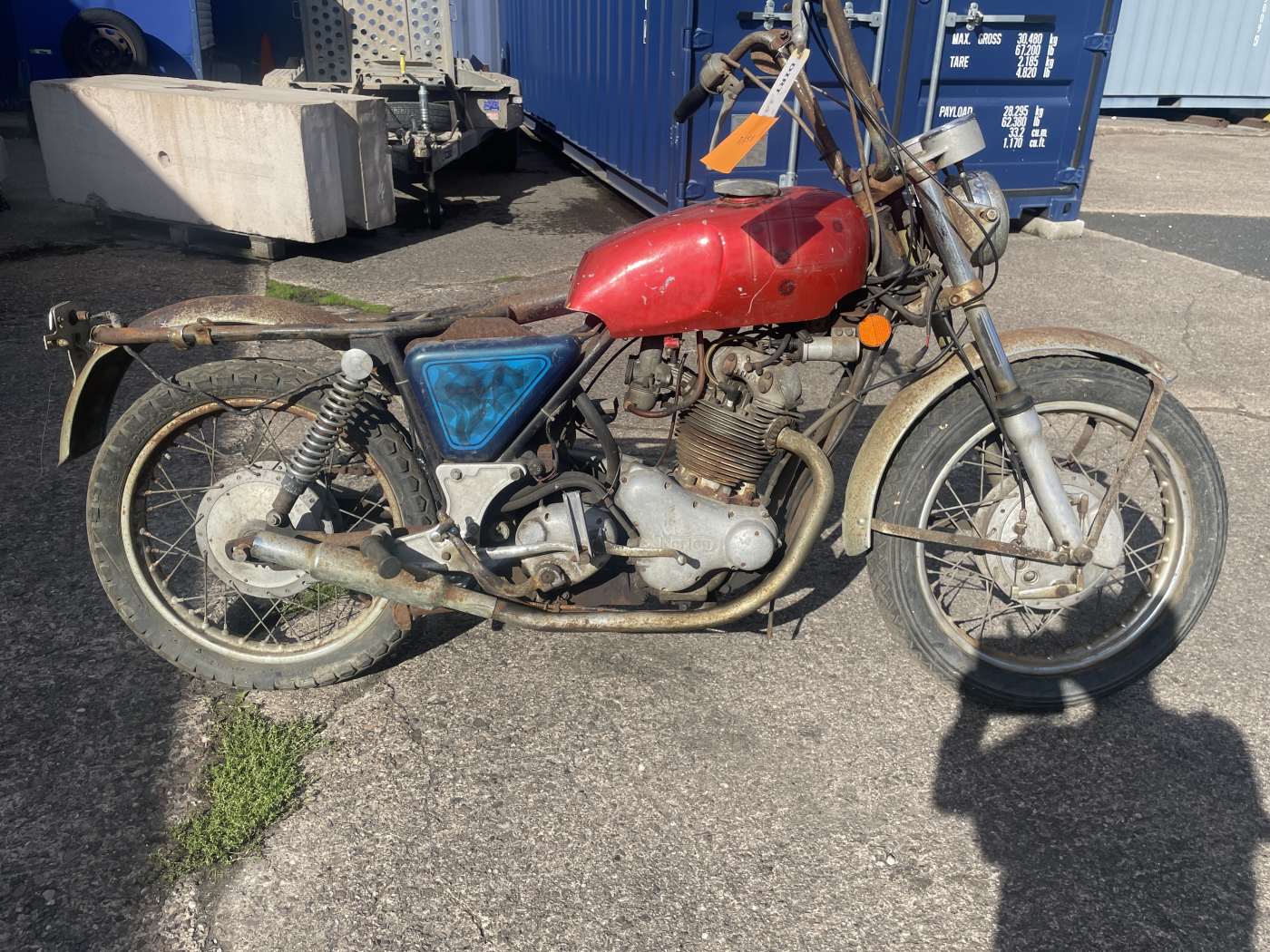 1971-Norton-Commando-750cc-Roadster-Project-Barn-Find-RefD1450
 1974-Harley-Davidson-Ironhead-Sportster-1000cc-XLCH-Project-RefD1401
 1980-Harley-Davidson-Shovelhead-FXE-1340-Tour-Glide-Running-Project-Ref1643