Classic and Classy Motorcycles Ltd
Vintage and Classic Motorcycle Importers
1977 Triumph Bonneville T140 750cc Project Barnfind RefD1406
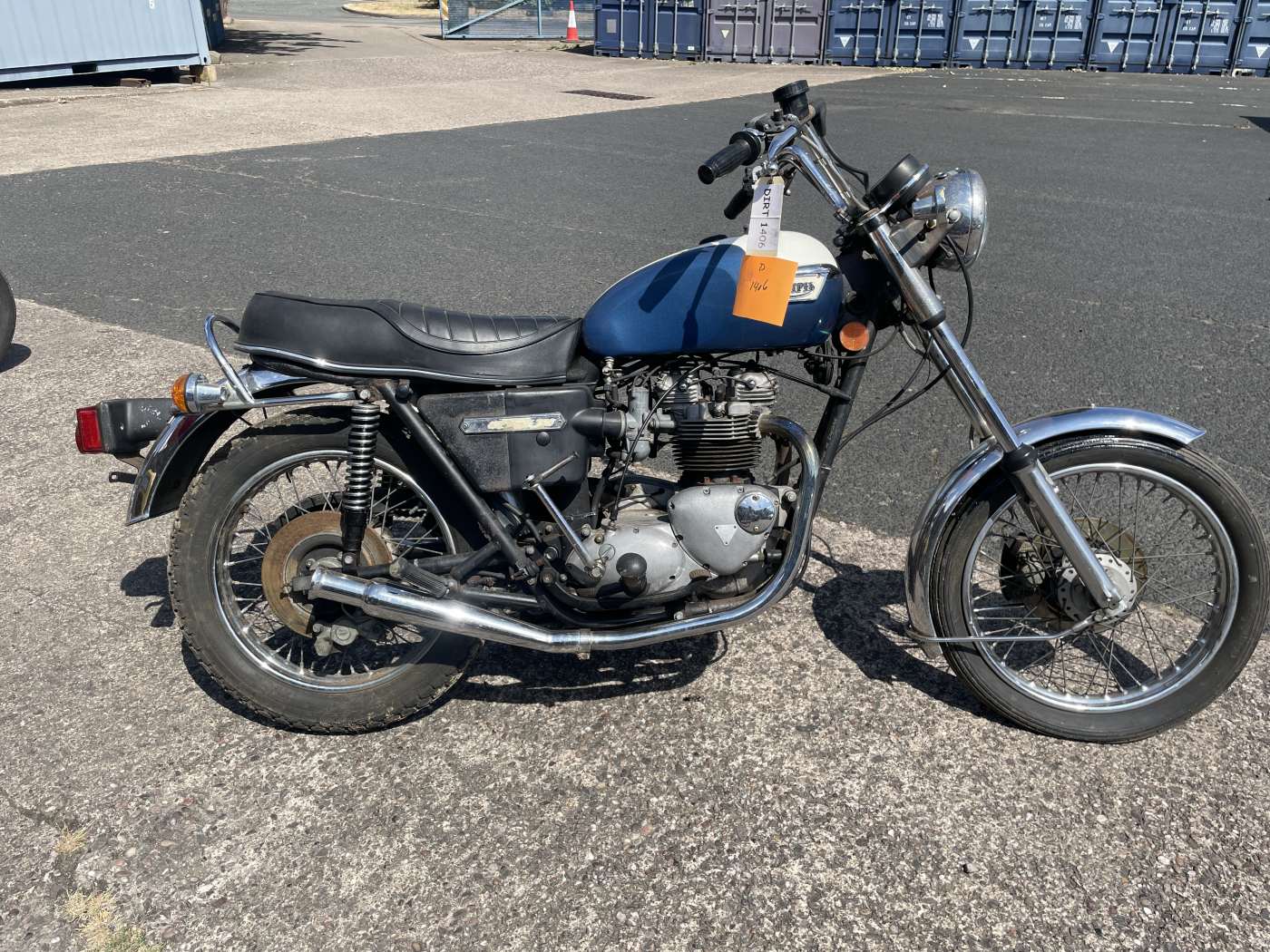
1977 Triumph Bonneville T140 750cc – Project Barn Find
Historical Context
The 1977 Triumph Bonneville T140 was the larger-capacity successor to the famous 650cc T120 Bonneville. Introduced during the early 1970s, the T140 increased engine capacity to 744cc and continued Triumph’s traditional formula of a sporting parallel twin with twin carburettors. By 1977, the British motorcycle industry was under intense pressure from increasingly sophisticated Japanese machines, but the Bonneville remained in production and retained a loyal following for its distinctive styling, handling and traditional British character.
Technical Specifications and Performance
• Year: 1977
• Make: Triumph
• Model: Bonneville T140
• Engine Displacement: 744cc
• Engine Type: Air-cooled OHV parallel twin
• Engine Construction: Unit construction
• Bore and Stroke: 76mm x 82mm
• Compression Ratio: Approx. 8.6:1 depending on market specification
• Carburetion: Twin Amal Concentric carburettors
• Starting System: Kick start
• Transmission Type: 5-speed manual
• Gear Change: Left-foot change on 1977 specification
• Final Drive: Chain
• Cooling System: Air-cooled
• Frame: Oil-in-frame design
• Braking System: Hydraulic disc brakes front and rear
• Top Speed: Approximately 110–115 mph depending on condition and specification
Technical Advancements
The T140 developed the traditional Bonneville considerably beyond the earlier 650cc T120. Its larger 744cc engine provided additional torque, while the 5-speed gearbox gave a wider spread of ratios than the older 4-speed transmission. By 1977, the Bonneville also used hydraulic disc brakes at both ends and a standardised left-foot gear change, bringing it more closely into line with contemporary international motorcycles. The oil-in-frame chassis continued to use the frame itself as the engine oil reservoir.
Evolution of the Model
The Bonneville name first appeared in 1959 with the 650cc T120 and became one of the most famous names in British motorcycling. The T140 emerged in the early 1970s as a 750cc development of the same basic parallel-twin concept. During its production life the T140 received numerous improvements to its braking, electrics, carburetion and starting arrangements. Later versions included models with electronic ignition and eventually electric starting, and the T140 remained in production into the 1980s.
Competitors in the Market
In 1977, the Bonneville faced strong competition from Japanese motorcycles including the Honda CB750, Kawasaki Z650 and Z1000, Suzuki GS750 and Yamaha’s large four-stroke twins and triples. These motorcycles generally offered greater refinement and increasingly sophisticated engineering, but the Triumph continued to appeal through its relatively light weight, responsive handling, slim dimensions and distinctive parallel-twin character.
Legacy and Appeal
The T140 has become an important classic in its own right and represents the final major development of the original Meriden Bonneville. As a barn-find project, this 1977 example offers the opportunity to preserve and restore a motorcycle from a significant period in Triumph history. Its 750cc twin, 5-speed gearbox and twin disc brakes provide a useful combination of traditional British character and improved road-going usability, while excellent specialist knowledge and parts availability make the T140 a practical classic restoration project.
Find Classic Motorcycles
Stay in the loop - Subscribe for Updates
One email notification a month when a new shipment arrives.
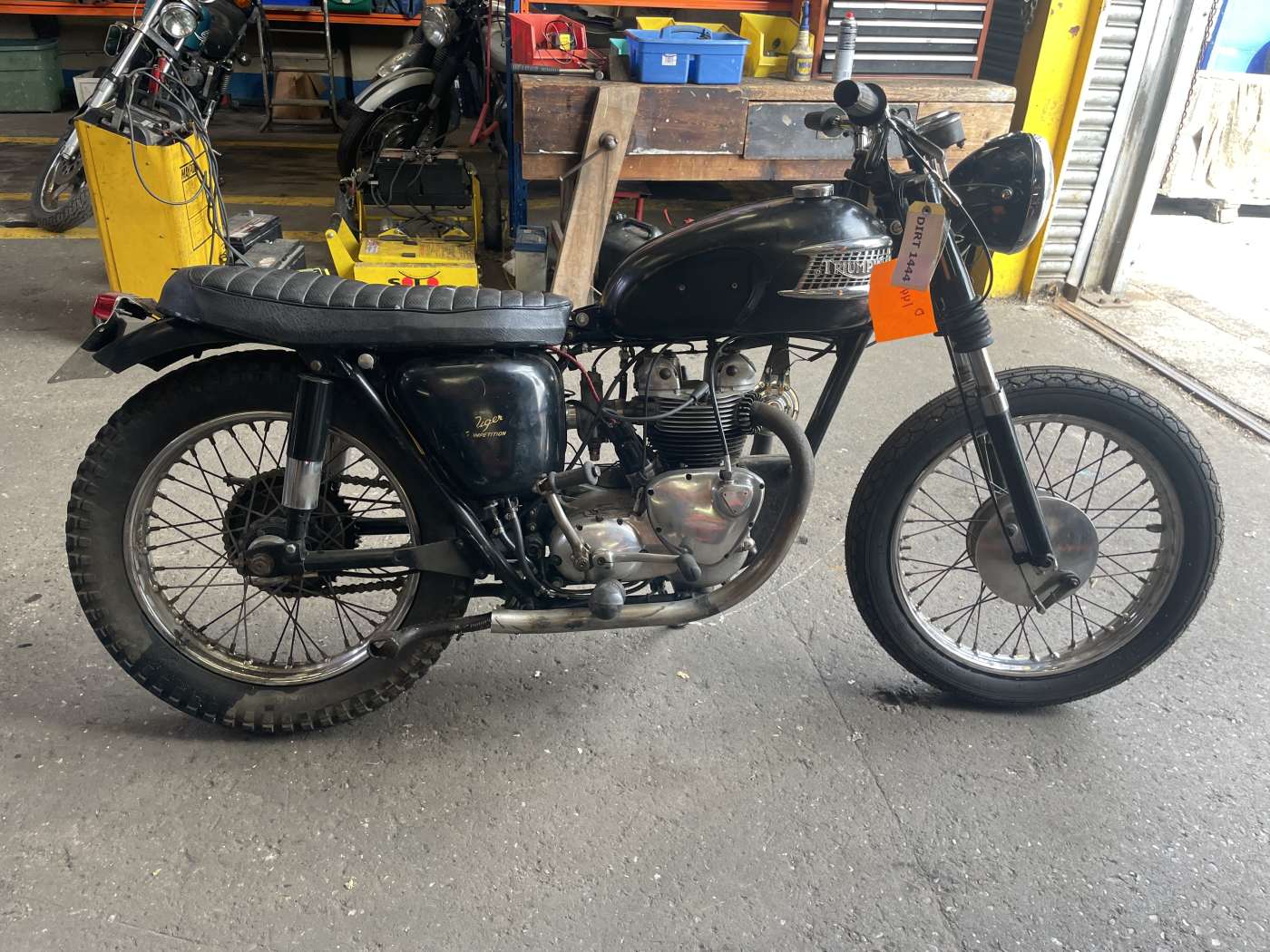 1962-Triumph-T100SS-Tiger-500cc-Running-Project-RefD1444
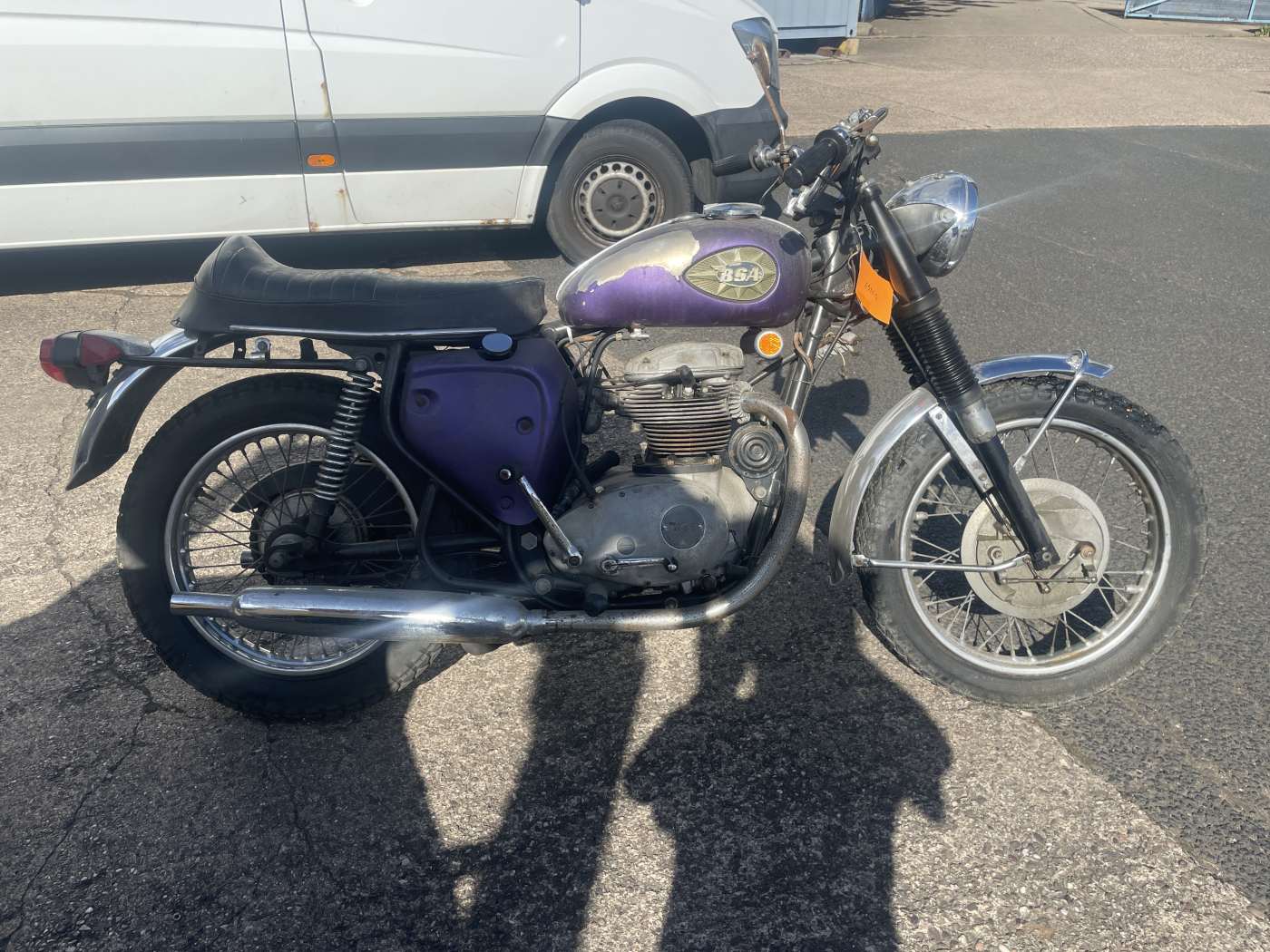 1970-BSA-500cc-A50R-Royal-Star-Project-Barn-Find-RefD1468
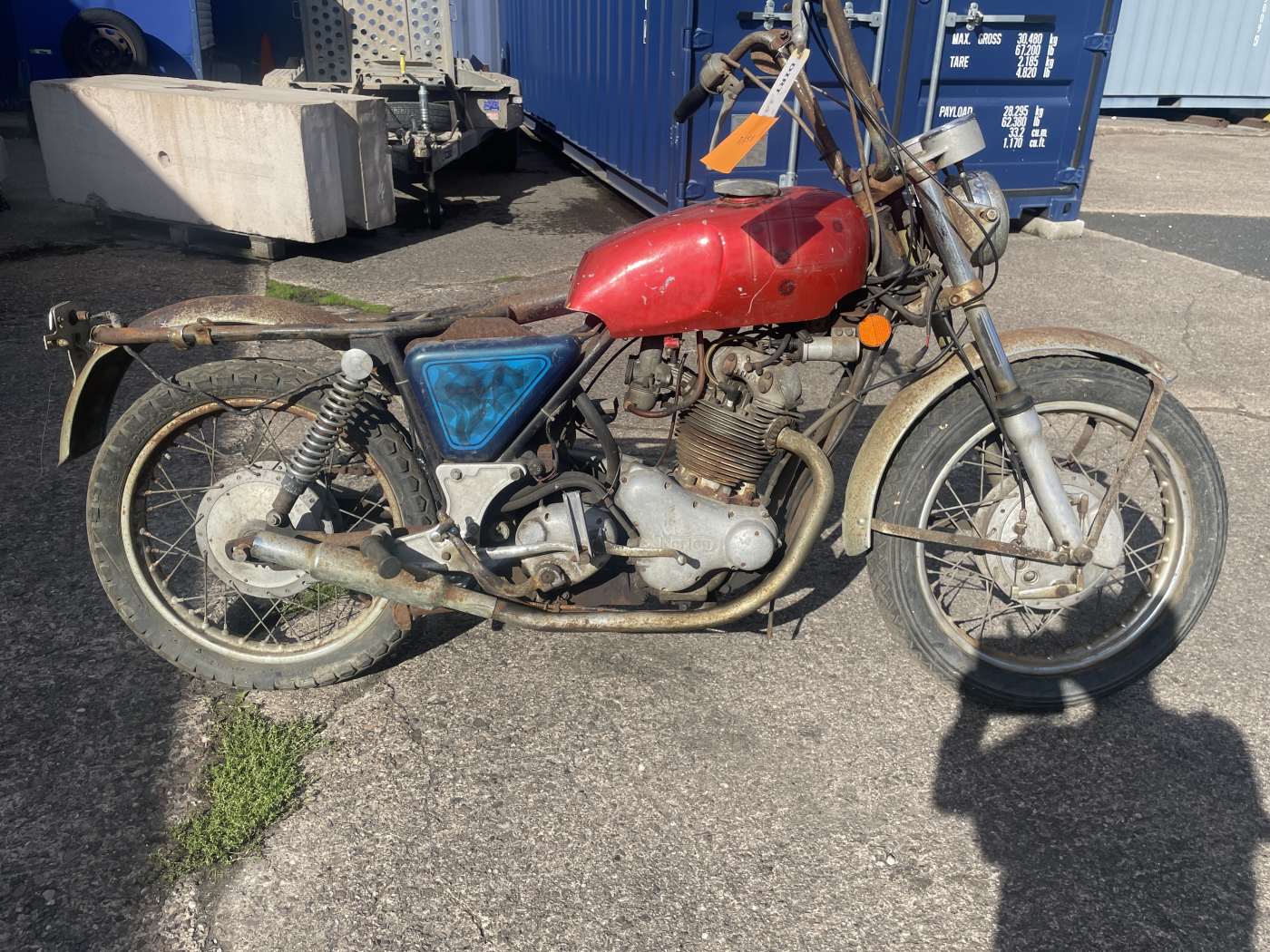 1971-Norton-Commando-750cc-Roadster-Project-Barn-Find-RefD1450
 1974-Harley-Davidson-Ironhead-Sportster-1000cc-XLCH-Project-RefD1401
 1980-Harley-Davidson-Shovelhead-FXE-1340-Tour-Glide-Running-Project-Ref1643