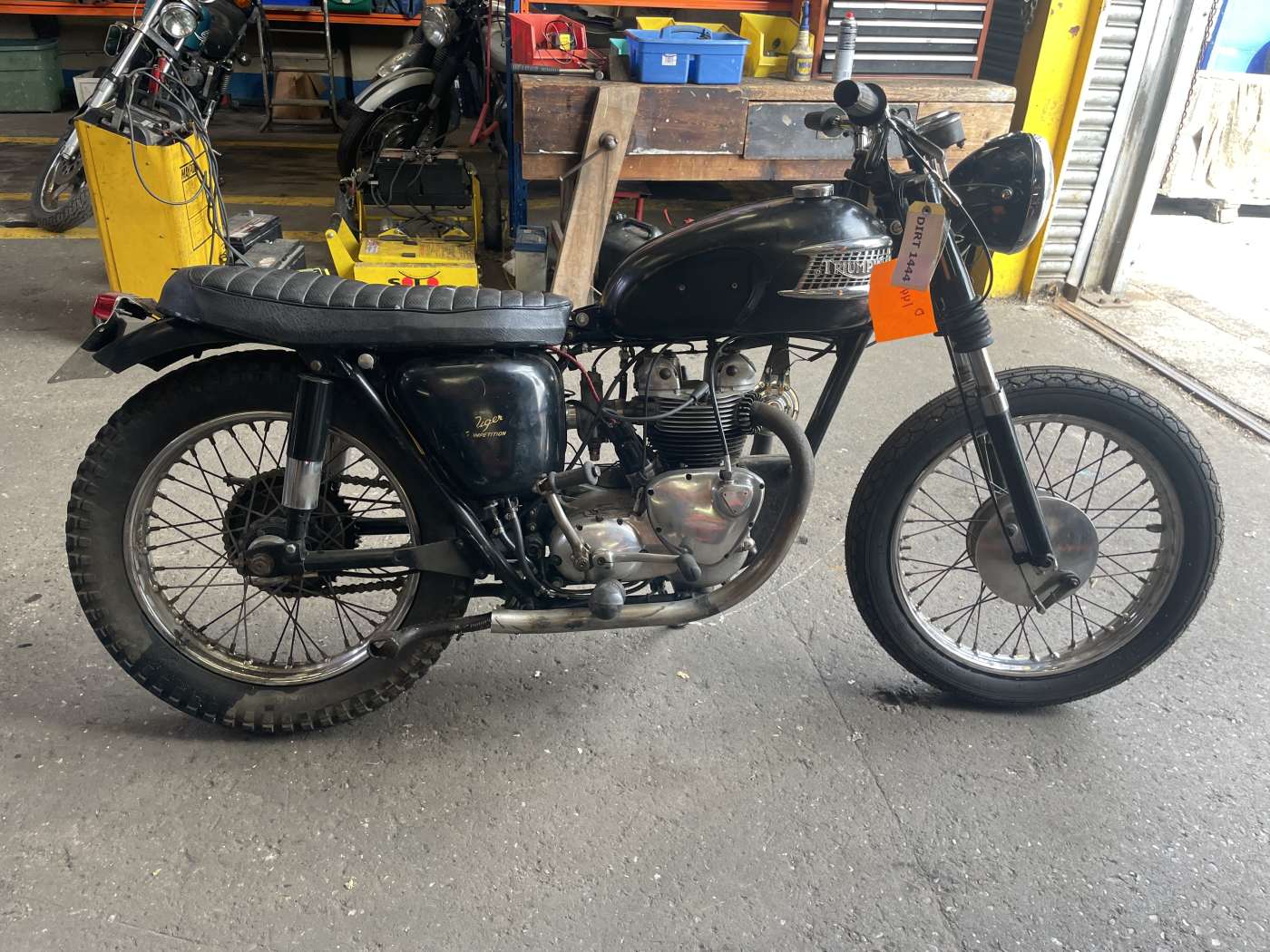
 1962-Triumph-T100SS-Tiger-500cc-Running-Project-RefD1444
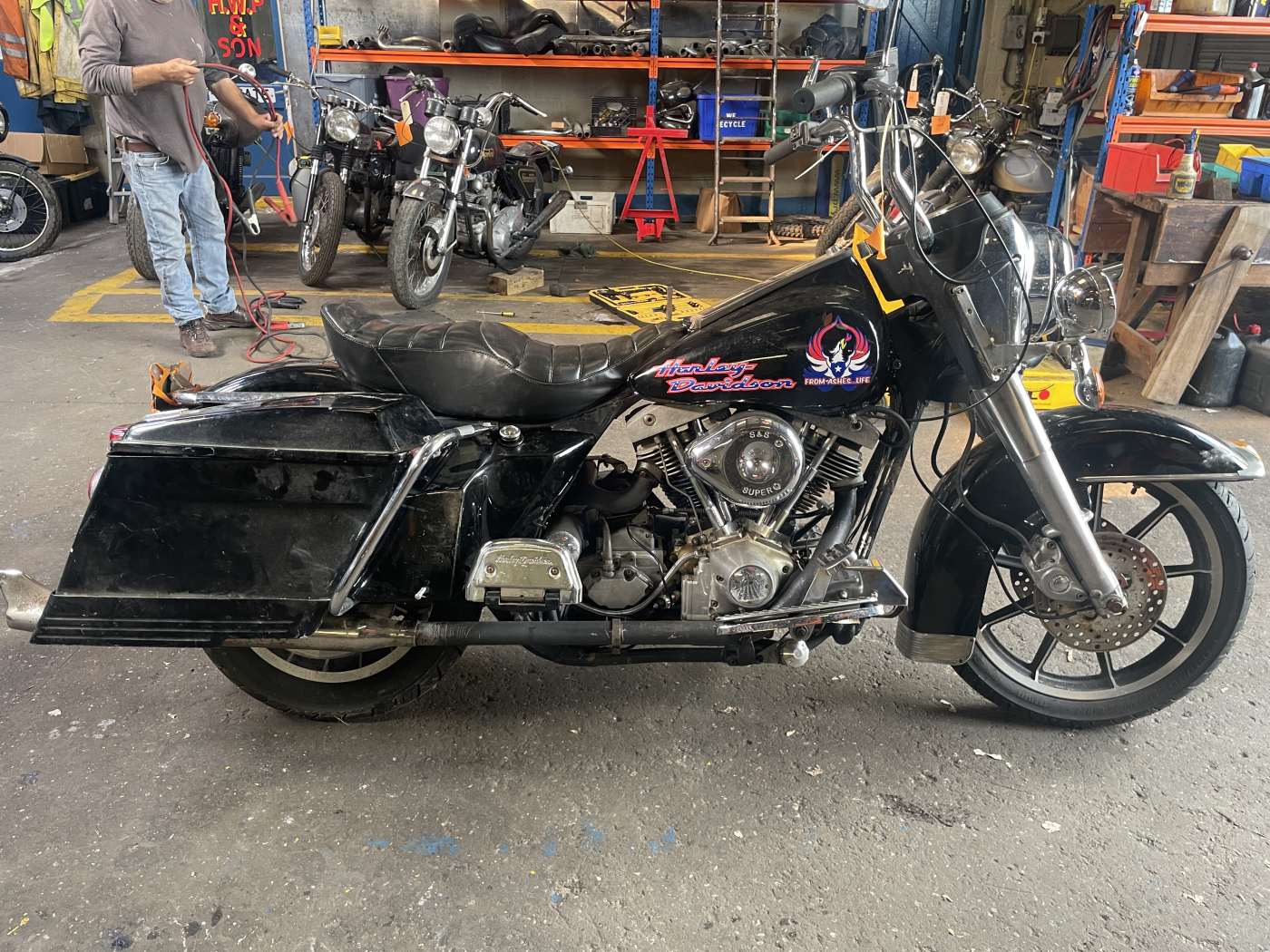 1980-Harley-Davidson-Shovelhead-FXE-1340-Tour-Glide-Running-Project-Ref1643
Historical Context
The 1973 Triumph Trident T150V represented a developed version of Triumph’s famous three-cylinder superbike. The original Trident had appeared at the end of the 1960s alongside the closely related BSA Rocket 3, but the later T150V gained a 5-speed gearbox and other improvements that made better use of the powerful 740cc triple-cylinder engine. By 1973, the Trident was competing in a rapidly changing market dominated increasingly by Japanese multi-cylinder motorcycles, yet it remained one of Britain’s fastest and most charismatic production machines.
Technical Specifications and Performance
• Year: 1973
• Make: Triumph
• Model: Trident T150V
• Engine Displacement: 740cc
• Engine Type: Air-cooled OHV inline three-cylinder four-stroke
• Bore and Stroke: 67mm x 70mm
• Compression Ratio: Approx. 9.5:1
• Carburetion: Three Amal Concentric carburettors
• Starting System: Kick start
• Transmission Type: 5-speed manual
• Final Drive: Chain
• Cooling System: Air-cooled
• Braking System: Front disc with rear drum brake
• Power: Approximately 58 bhp
• Top Speed: Approximately 120 mph depending on condition and gearing
Technical Advancements
The most significant feature of the T150V was its 5-speed gearbox, identified by the “V” designation and providing an extra ratio compared with the earlier 4-speed T150. This allowed the rider to make better use of the flexible three-cylinder engine and improved the Trident’s suitability for both sporting riding and higher-speed cruising. A hydraulic front disc brake provided improved braking performance over the drum-braked early Tridents, while the three Amal carburettors and 740cc triple continued to provide the distinctive performance and exhaust note for which the model had become famous.
Evolution of the Model
The Triumph Trident began as the T150 and was developed progressively during the early 1970s. The T150V introduced the 5-speed transmission and became the principal version of the Trident before the substantially revised T160 appeared for the mid-1970s. The later T160 incorporated changes including electric starting, a revised frame and altered engine installation. The T150V therefore represents an important intermediate stage between the original Trident and the final development of Triumph’s classic triple.
Competitors in the Market
By 1973, the Trident faced formidable competition from motorcycles such as the Honda CB750 and Kawasaki Z1, alongside British rivals including the Norton Commando 850. The Japanese four-cylinder machines offered impressive refinement and performance, but the Triumph retained a strong reputation for its handling, sporting character and distinctive three-cylinder engine. Competition success by Triumph and BSA triples also helped reinforce the performance credentials of the basic design.
Legacy and Appeal
Today, the T150V is regarded as one of the most significant British performance motorcycles of the early 1970s. Its combination of the 740cc three-cylinder engine, 5-speed gearbox and front disc brake makes it more developed than the earliest Tridents while retaining their classic appearance and mechanical character. As a project bike, this 1973 example offers an opportunity to restore an important British superbike with a distinctive sound, strong competition heritage and an enthusiastic following among classic motorcycle collectors.
One email notification a month when a new shipment arrives.
1962-Triumph-T100SS-Tiger-500cc-Running-Project-RefD14441980-Harley-Davidson-Shovelhead-FXE-1340-Tour-Glide-Running-Project-Ref1643