Classic and Classy Motorcycles Ltd
Vintage and Classic Motorcycle Importers
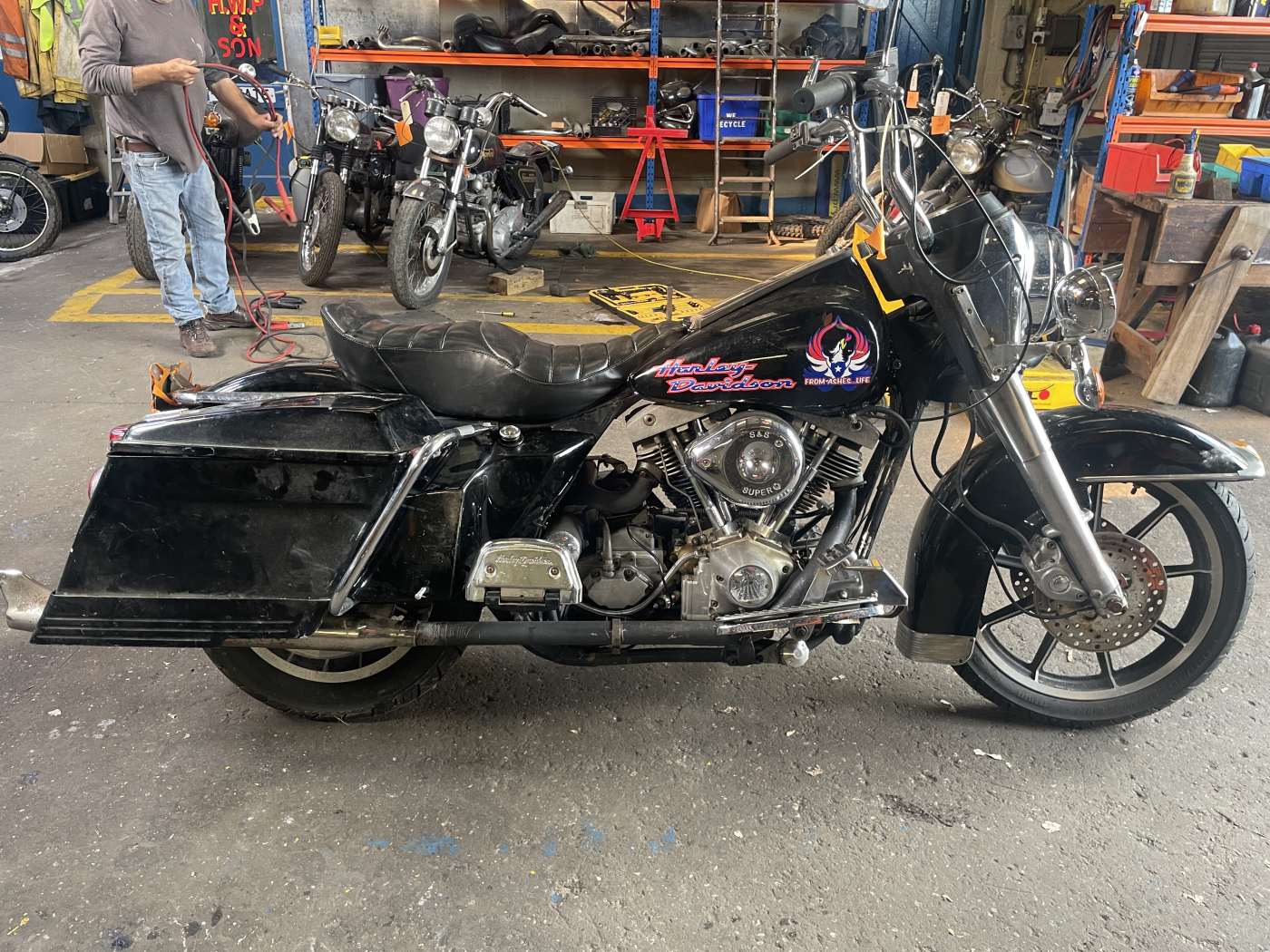
1986 Harley Davidson Evo 883 XL Sportster Project RefD1400
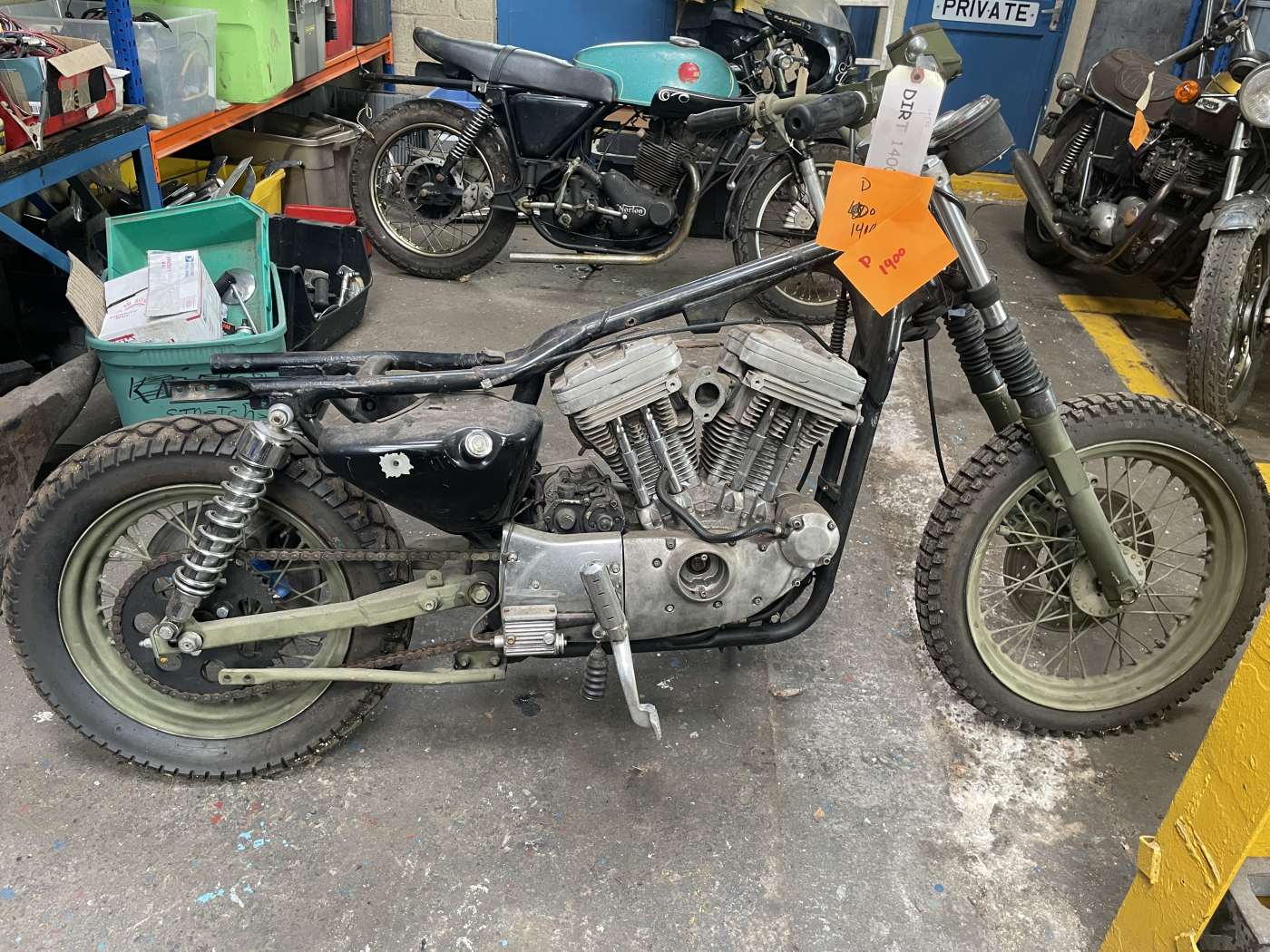
1986 Harley-Davidson XL 883 Evolution Sportster – Project Bike
Historical Context
The 1986 Harley-Davidson XL 883 Sportster marked one of the most important changes in Sportster history. For the 1986 model year, Harley-Davidson replaced the long-running cast-iron-head Ironhead engine with the new aluminium-head Evolution Sportster engine. The new design retained the traditional 45-degree V-twin layout and familiar Sportster character while bringing major improvements in reliability, oil control, cooling and everyday usability. As a first-year Evolution Sportster, the 1986 XL 883 represents the beginning of an engine family that would remain central to Harley-Davidson’s range for decades.
Technical Specifications and Performance
• Year: 1986
• Make: Harley-Davidson
• Model: XL 883 Sportster
• Engine Displacement: 883cc (53.9 cubic inches)
• Engine Type: Air-cooled OHV 45° V-twin Evolution
• Cylinder Heads: Aluminium alloy
• Carburetion: Carburettor
• Ignition System: Electronic ignition
• Starting System: Electric start
• Transmission Type: 4-speed manual
• Final Drive: Chain
• Cooling System: Air-cooled
• Engine Mounting: Rigid-mounted
• Front Suspension: Telescopic forks
• Rear Suspension: Twin shock absorbers
• Braking System: Hydraulic disc brakes front and rear
• Top Speed: Approximately 100 mph depending on condition and gearing
Technical Advancements
The Evolution engine was the major technical advancement for the 1986 Sportster. Aluminium cylinder heads dissipated heat more effectively than the cast-iron heads of the previous engine, while redesigned cylinders, heads and oil sealing improved reliability and reduced the oil leaks commonly associated with older designs. The new 883cc Evolution retained pushrod-operated overhead valves and the traditional Harley-Davidson V-twin layout, allowing the Sportster to become more dependable without losing its established character.
Evolution of the Model
The Sportster had been in production since 1957, initially using the engine that later became known as the Ironhead. The introduction of the Evolution-powered XL models for 1986 began a new chapter for the Sportster. Early Evolution Sportsters retained a 4-speed gearbox and chain final drive, while later development brought a 5-speed transmission for 1991 and belt final drive during the early 1990s. Further changes followed over the years, but the basic Evolution Sportster engine proved exceptionally long-lived.
Competitors in the Market
In 1986, the XL 883 competed in a market filled with increasingly sophisticated Japanese motorcycles from Honda, Kawasaki, Suzuki and Yamaha. Many offered multi-cylinder engines and greater outright performance, but the Sportster occupied a distinctive position. Its narrow chassis, air-cooled V-twin engine, traditional styling and unmistakable Harley-Davidson identity provided a very different riding experience from contemporary Japanese machines.
Legacy and Appeal
The 1986 XL 883 is particularly interesting today because it was one of the first Evolution-powered Sportsters. The new engine transformed the reliability and long-term reputation of the Sportster and formed the basis of a model family that remained in production for many years. As a project bike, this example offers the opportunity to restore an important first-year Evo Sportster while retaining the relatively simple 4-speed, chain-drive specification that distinguishes these early Evolution models from their later successors.
Find Classic Motorcycles
Stay in the loop - Subscribe for Updates
One email notification a month when a new shipment arrives.
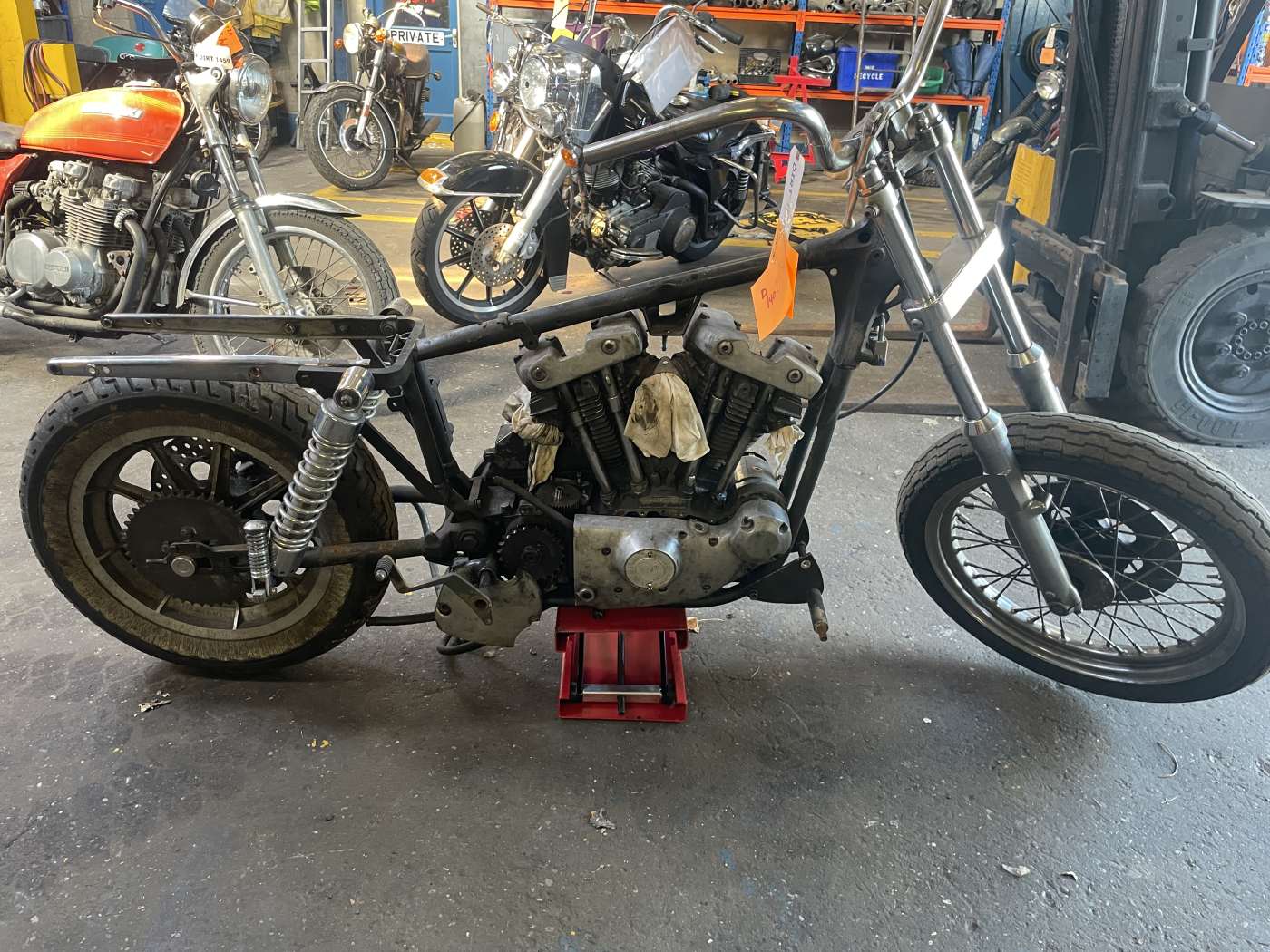 1974-Harley-Davidson-Ironhead-Sportster-1000cc-XLCH-Project-RefD1401
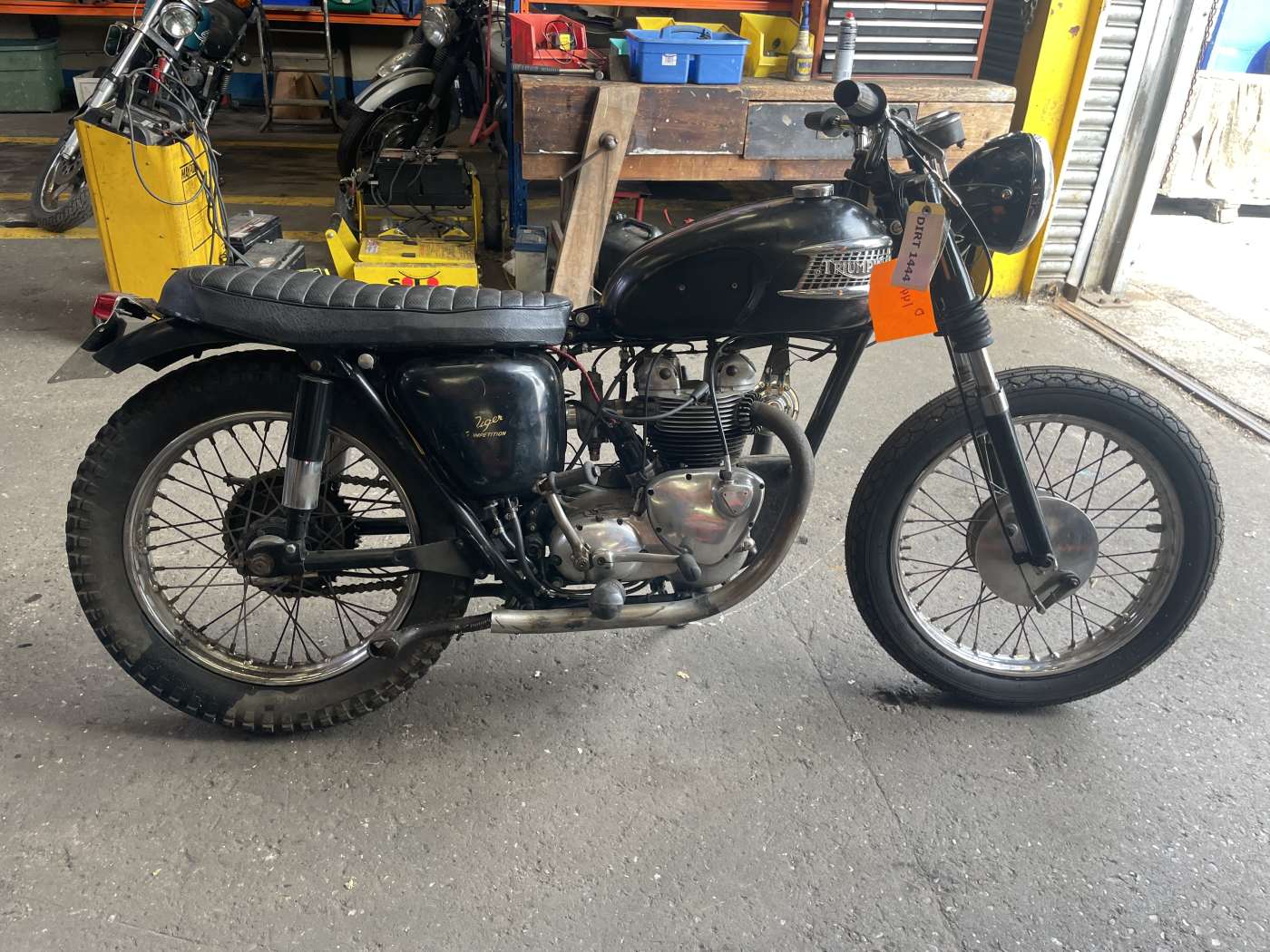 1962-Triumph-T100SS-Tiger-500cc-Running-Project-RefD1444
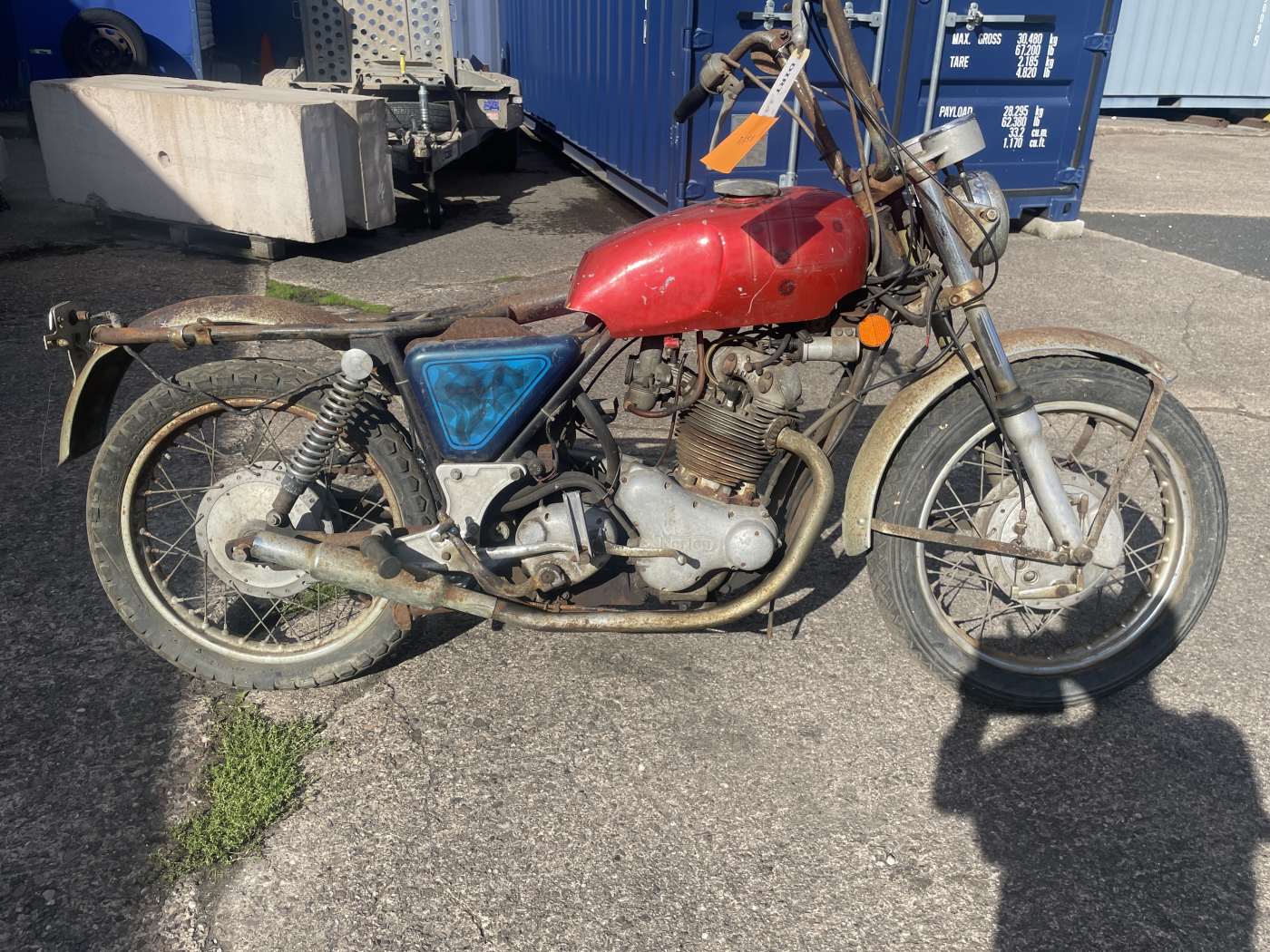 1971-Norton-Commando-750cc-Roadster-Project-Barn-Find-RefD1450
 1980-Harley-Davidson-Shovelhead-FXE-1340-Tour-Glide-Running-Project-Ref1643