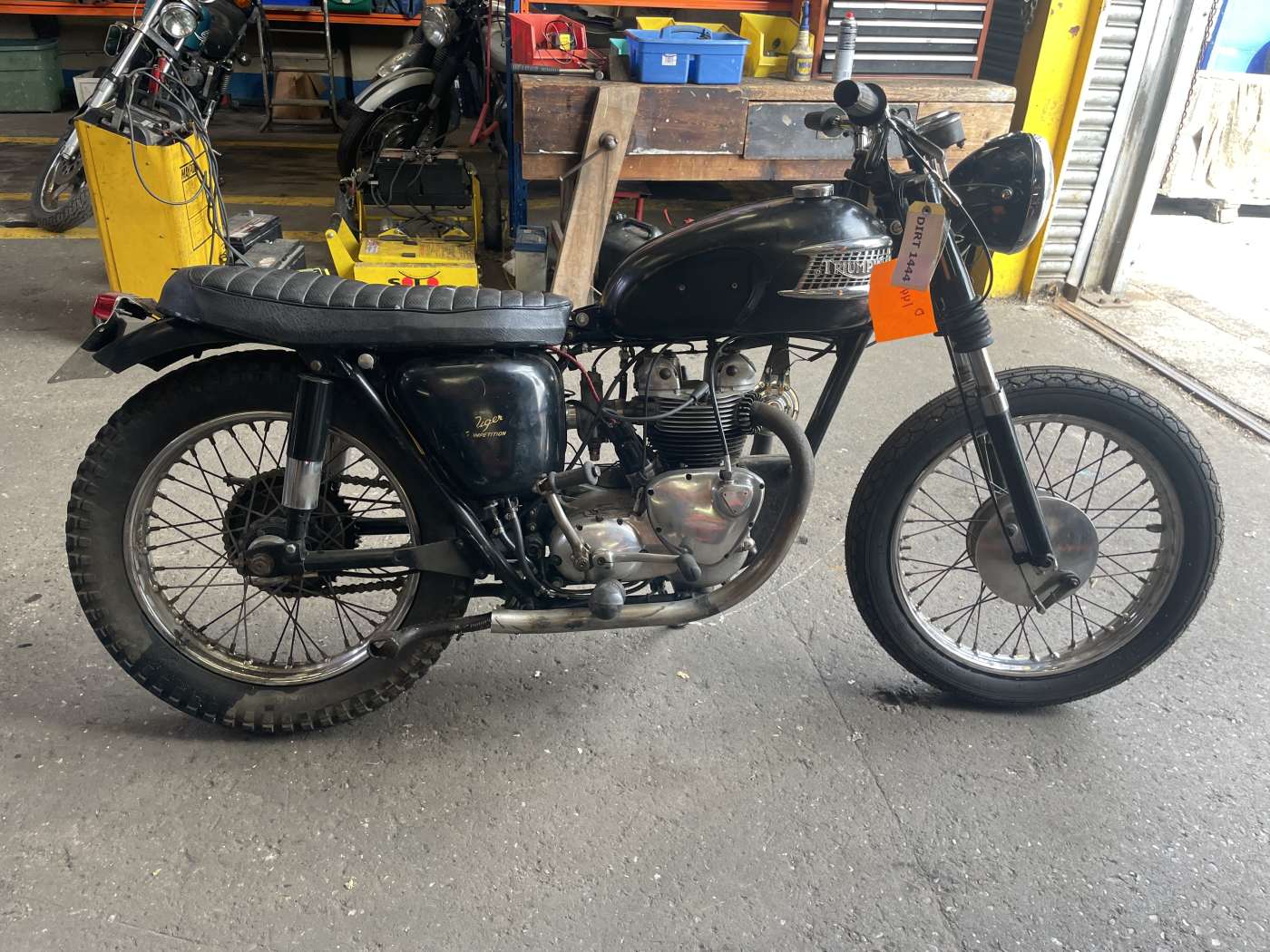
 1962-Triumph-T100SS-Tiger-500cc-Running-Project-RefD1444
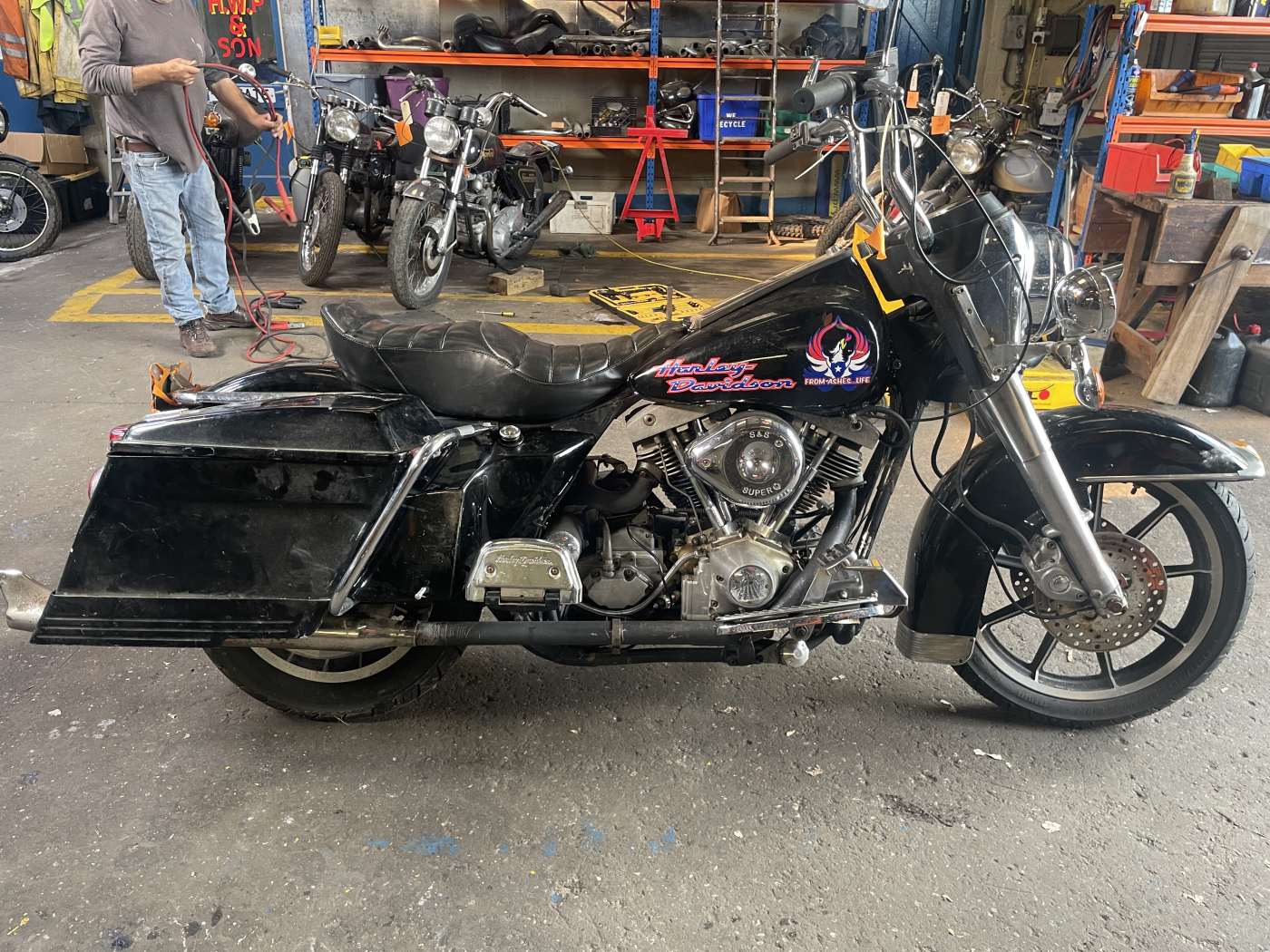 1980-Harley-Davidson-Shovelhead-FXE-1340-Tour-Glide-Running-Project-Ref1643
Historical Context
The 1974 Harley-Davidson XLH 1000cc Sportster was part of the Ironhead generation that defined Harley’s middleweight performance bikes for nearly three decades. First introduced in 1957, the Sportster quickly became known as a tough, fast, and highly customizable American motorcycle. By the early 1970s the engine had grown to 1000cc, delivering stronger torque and improved highway performance compared to earlier 900cc models. The XLH version was the electric-start variant, offering a more practical and rider-friendly alternative to the kickstart-only XLCH. Built during the AMF ownership era, the 1974 model combined traditional Harley engineering with incremental improvements aimed at keeping the Sportster competitive during a time of rapid change in the motorcycle world.
Technical Specifications and Performance
• Year: 1974
• Make: Harley-Davidson
• Model: XLH Sportster
• Engine Displacement: 1000cc (61 cubic inches)
• Engine Type: Air-cooled OHV 45° V-twin (Ironhead)
• Compression Ratio: Approx. 9.0:1
• Carburetion: Bendix carburetor
• Ignition System: Points ignition
• Transmission Type: 4-speed manual
• Final Drive: Chain
• Cooling System: Air-cooled
• Fuel Capacity: Approx. 3.2 gallons
• Braking System: Front disc, rear drum
• Dry Weight: Approx. 500 lbs
• Top Speed: Around 105 mph
Technical Advancements
By 1974 the Sportster had evolved significantly from its original form. The XLH featured electric start, making the bike easier to live with compared to earlier kick-only versions. Harley had also introduced a front disc brake a few years earlier, improving stopping performance over the older drum systems. The 1000cc Ironhead motor delivered strong low-end torque and a distinctive mechanical soundtrack that became a hallmark of the model. Though simple in design, the engine was rugged and well suited to customization and modification.
Evolution of the Model
The XLH developed alongside the more performance-oriented XLCH variant, with the H model focusing on everyday usability and road comfort. During the early 1970s Harley transitioned the Sportster from its 900cc roots to the larger 1000cc engine, giving riders improved cruising ability and stronger acceleration. The basic layout—unit construction engine and gearbox, narrow frame, and compact dimensions—remained largely unchanged, preserving the character that made the Sportster so popular with riders and custom builders.
Competitors in the Market
In 1974 the Ironhead Sportster competed against machines like the Triumph Bonneville 750, Norton Commando, and the emerging Japanese four-cylinder bikes such as the Honda CB750. While those rivals often offered smoother engines or more modern features, the Sportster held its ground with its strong torque, unmistakable V-twin sound, and simple mechanical layout. For many riders, the Harley’s personality and custom potential outweighed the technical advantages of its competitors.
Legacy and Appeal
As a barn find basket case project, the 1974 XLH Sportster represents a rewarding restoration opportunity. Ironhead Sportsters have a loyal following thanks to their raw riding experience and classic Harley styling. Parts availability remains strong, and the bikes are well supported by the enthusiast community. Once restored, a 1974 XLH offers authentic vintage Harley character—complete with the distinctive rumble and mechanical presence that helped define American motorcycling in the 1970s.
One email notification a month when a new shipment arrives.
1962-Triumph-T100SS-Tiger-500cc-Running-Project-RefD14441980-Harley-Davidson-Shovelhead-FXE-1340-Tour-Glide-Running-Project-Ref1643