Classic and Classy Motorcycles Ltd
Vintage and Classic Motorcycle Importers
1987 Harley Davidson Sportster XLH 1100cc Project RefD1376
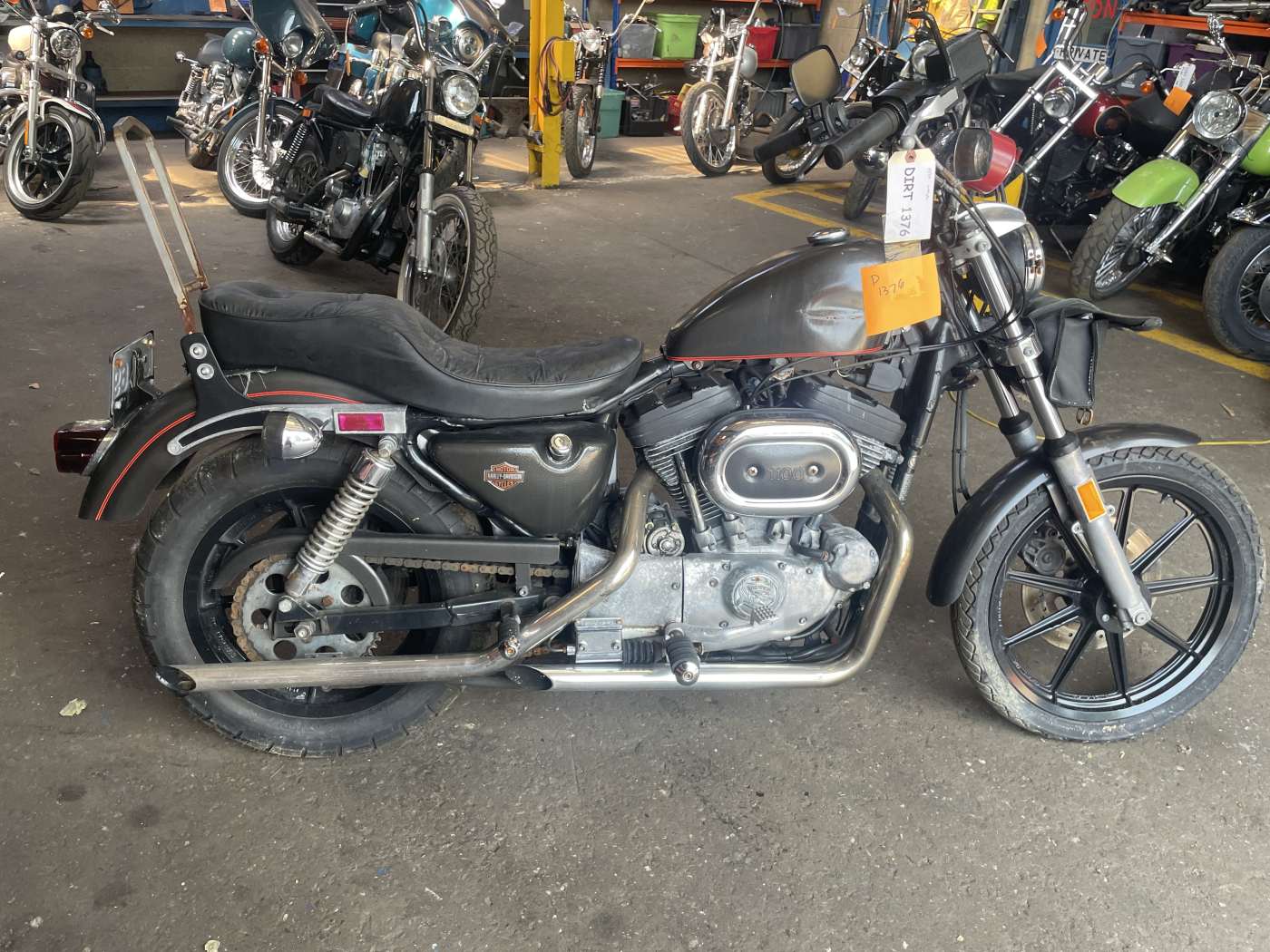
1987 Harley-Davidson XLH 1100cc Sportster – Evolution Project Bike
Historical Context
The 1987 Harley-Davidson XLH 1100 Sportster was part of the early Evolution-powered generation that helped transform Harley-Davidson’s reputation during the late 1980s. Introduced in 1986, the Evolution engine replaced the long-running Ironhead motor and brought significant improvements in reliability, cooling, and oil control. The XLH 1100 was one of the first Sportsters to benefit from this new engine design and represents an important transitional period in Harley-Davidson history. While later Evolution Sportsters would increase in capacity to 1200cc, the 1100cc models remain historically significant as the first generation of Evo-powered Sportsters.
Technical Specifications and Performance
• Year: 1987
• Make: Harley-Davidson
• Model: XLH 1100 Sportster
• Engine Displacement: 1100cc (67 cubic inches)
• Engine Type: Air-cooled OHV 45° V-twin (Evolution)
• Compression Ratio: Approx. 8.8:1
• Carburetion: Keihin carburetor
• Ignition System: Electronic ignition
• Transmission Type: 4-speed manual
• Final Drive: Chain
• Cooling System: Air-cooled
• Fuel Capacity: Approx. 3.3 gallons
• Braking System: Single disc front and rear
• Dry Weight: Approx. 520 lbs
• Top Speed: Around 100–105 mph
Technical Advancements
The introduction of the Evolution engine marked one of the most important developments in Harley-Davidson history. Aluminium cylinders and heads improved cooling, while redesigned oiling systems greatly reduced leaks and maintenance issues associated with earlier engines. Electronic ignition improved reliability and starting performance, while the lighter engine construction helped improve overall rideability. The 1100cc Evolution engine delivered strong torque and a smoother riding experience than its Ironhead predecessor.
Evolution of the Model
The XLH 1100 represented the first stage of the Evolution Sportster's development. Harley-Davidson would later increase capacity to 1200cc and introduce further refinements, but the 1100cc models remain important as the motorcycles that introduced the Evolution engine to the Sportster range. The design retained the classic Sportster appearance while dramatically improving reliability and usability, helping to secure the model’s future success.
Competitors in the Market
In 1987, the XLH 1100 competed with motorcycles such as the Yamaha Virago 1100, Honda Shadow VT1100, and Kawasaki Vulcan series. While these Japanese cruisers offered modern engineering and smooth performance, the Harley-Davidson stood apart with its distinctive V-twin character, classic styling, and strong heritage. The Evolution engine helped Harley compete more effectively by addressing many of the reliability concerns of earlier models.
Legacy and Appeal
As a project bike, the 1987 XLH 1100 Sportster offers excellent potential. Early Evolution Sportsters are increasingly appreciated for their historical importance and straightforward mechanical design. Parts availability remains strong, and the platform is well suited to restoration or customisation. Whether restored to original condition or transformed into a custom build, the XLH 1100 provides a rewarding ownership experience and represents the beginning of a new chapter in Harley-Davidson history.
Find Classic Motorcycles
Stay in the loop - Subscribe for Updates
One email notification a month when a new shipment arrives.
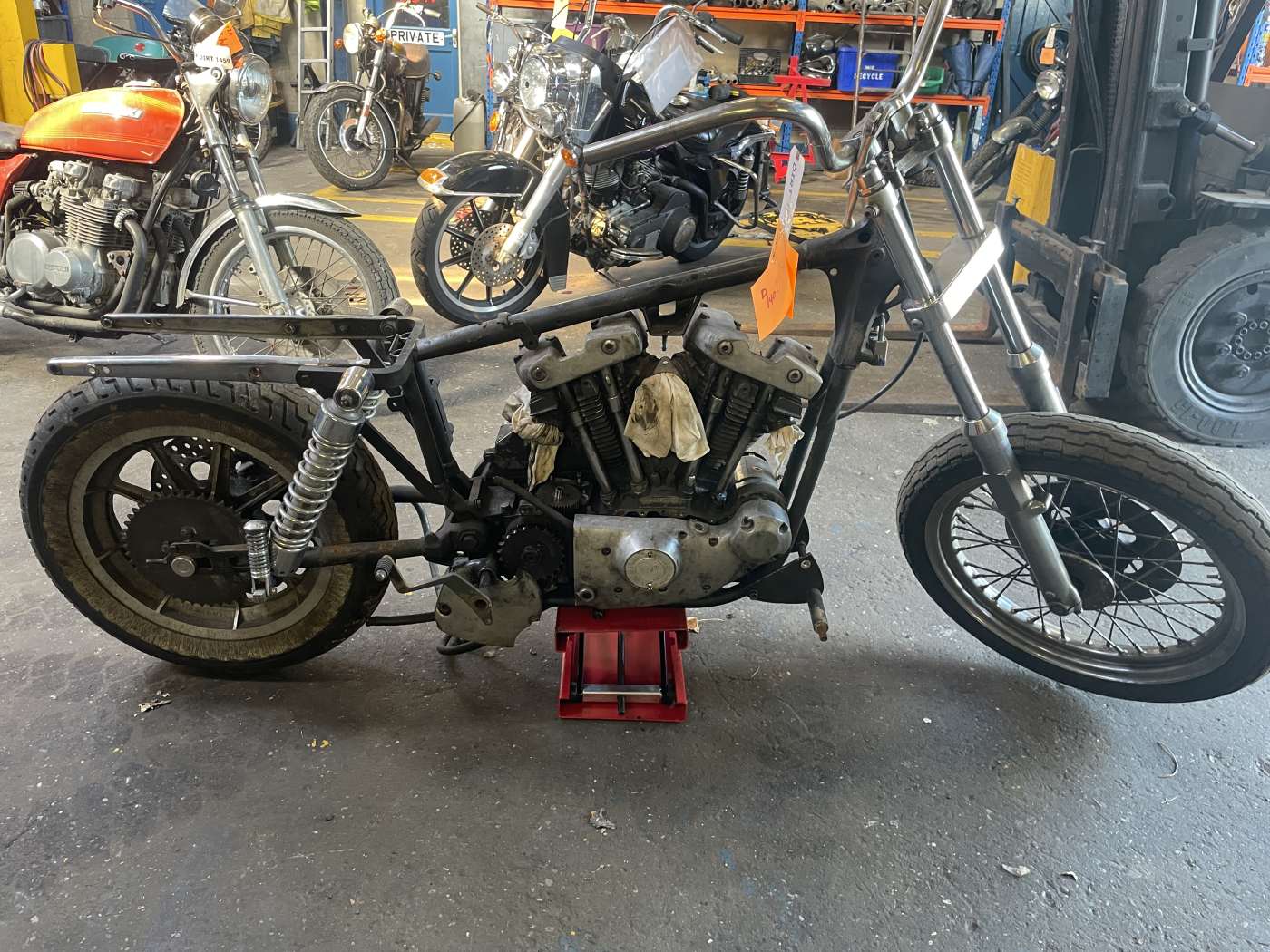 1974-Harley-Davidson-Ironhead-Sportster-1000cc-XLCH-Project-RefD1401
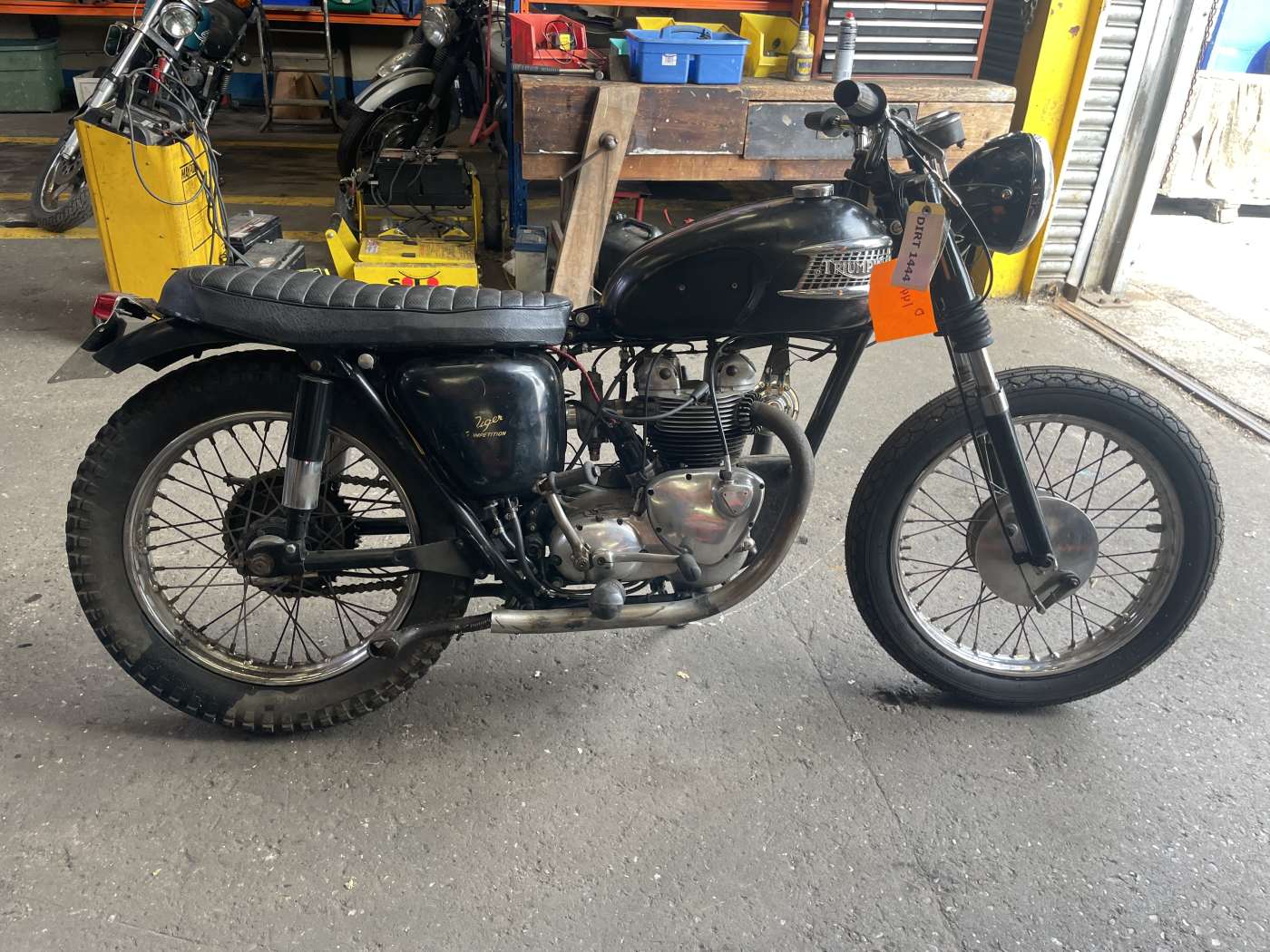 1962-Triumph-T100SS-Tiger-500cc-Running-Project-RefD1444
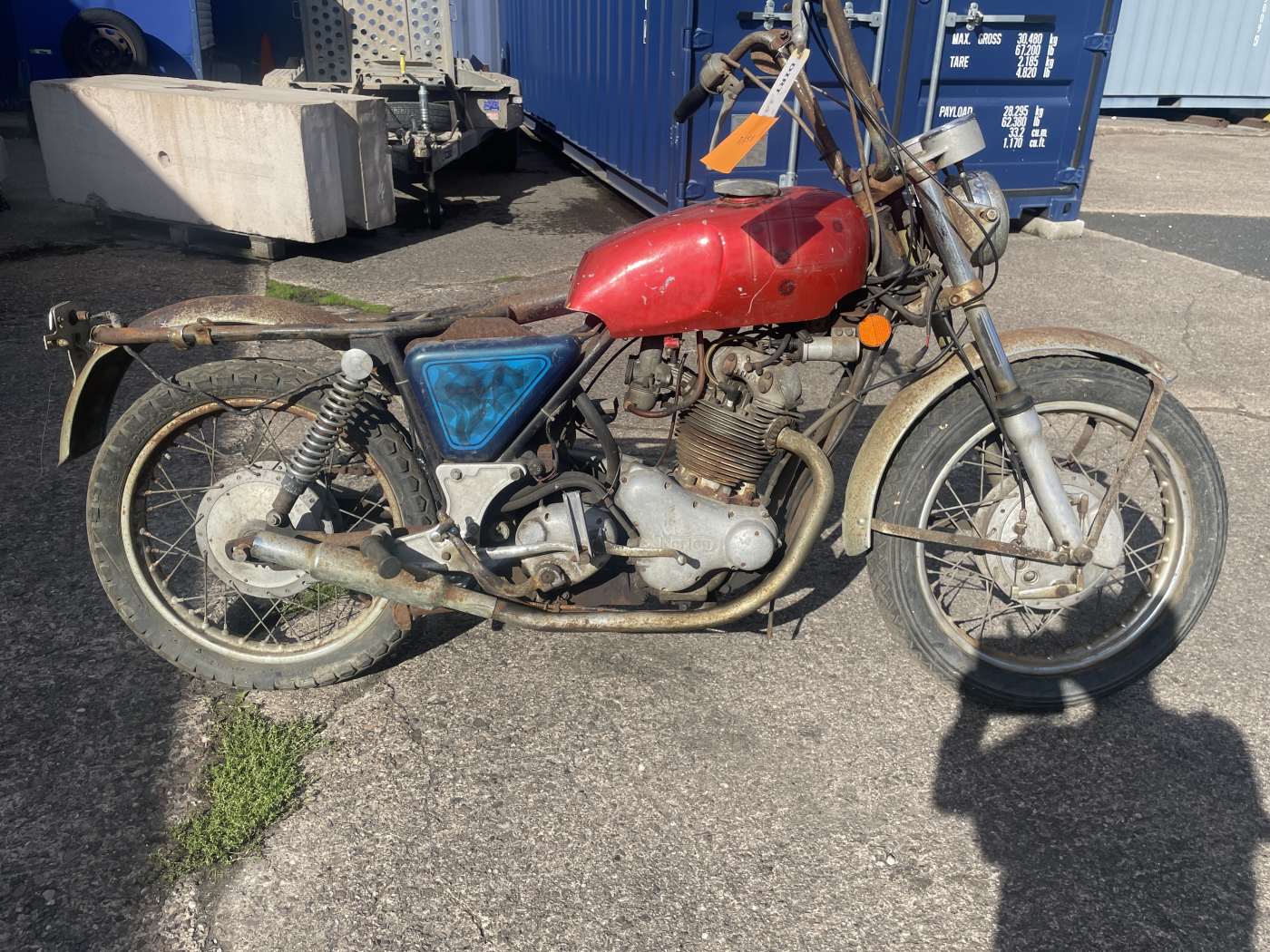 1971-Norton-Commando-750cc-Roadster-Project-Barn-Find-RefD1450
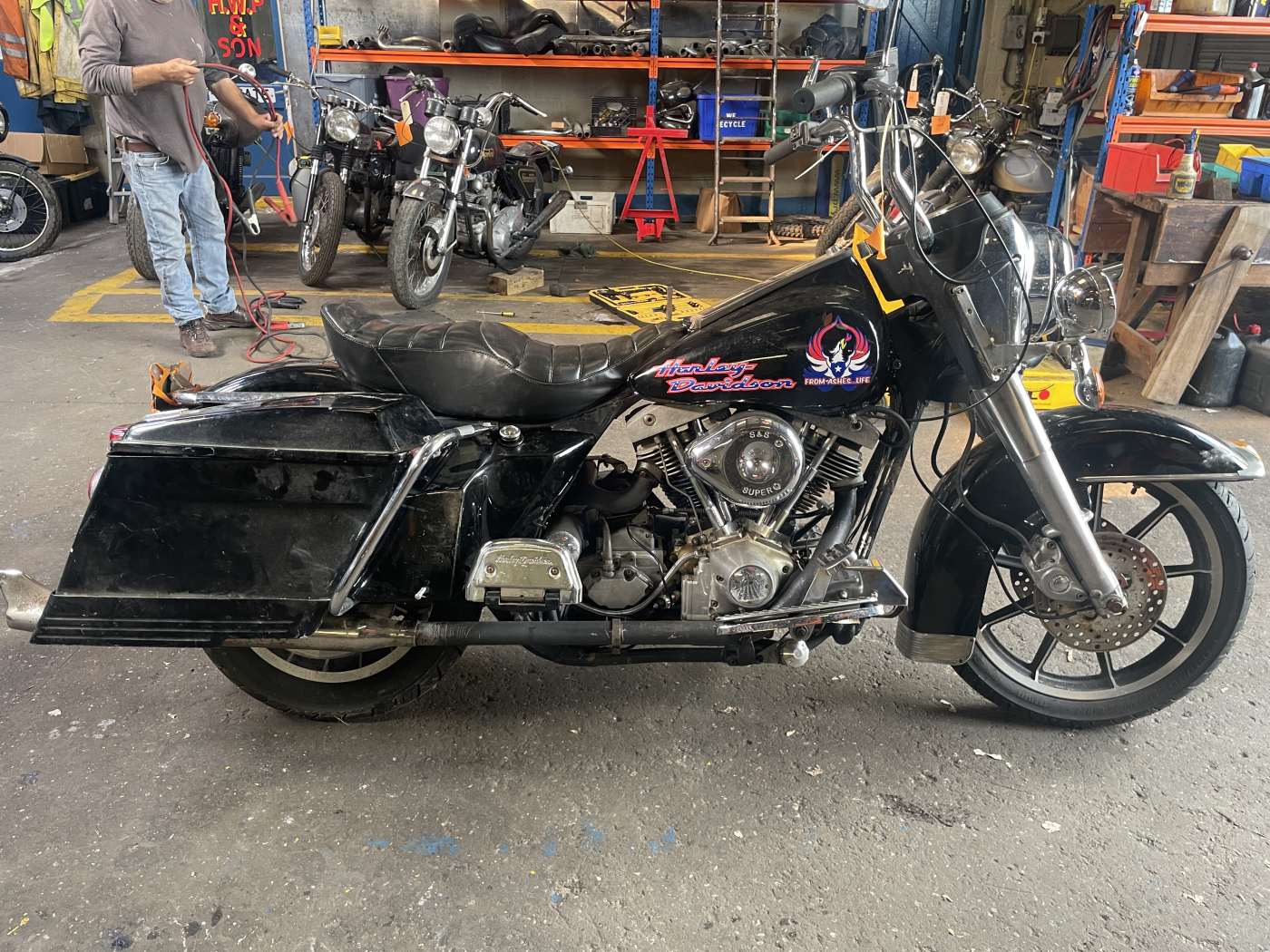 1980-Harley-Davidson-Shovelhead-FXE-1340-Tour-Glide-Running-Project-Ref1643