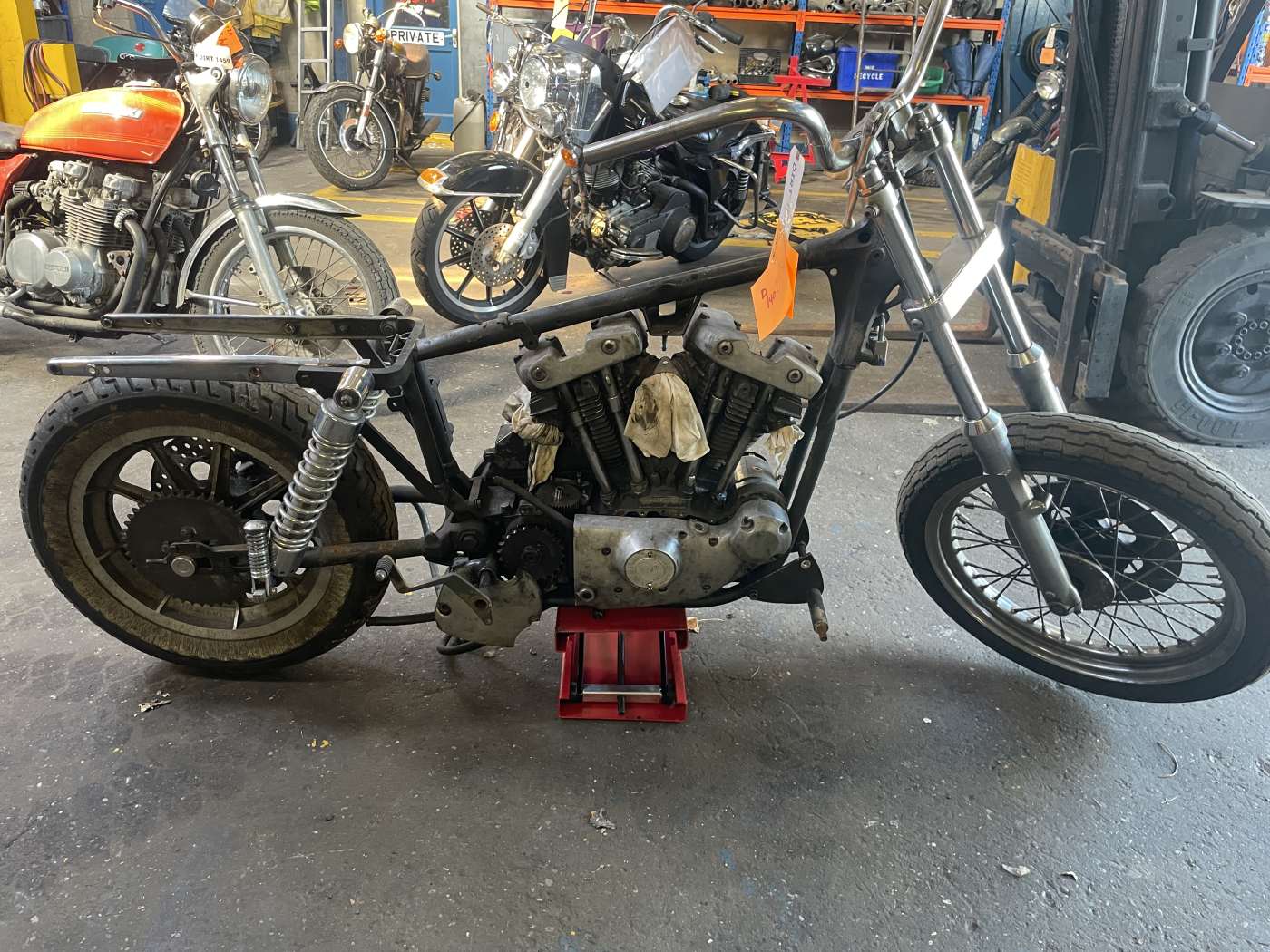
 1974-Harley-Davidson-Ironhead-Sportster-1000cc-XLCH-Project-RefD1401
Historical Context
The 1982 Harley-Davidson XLS Roadster was part of the long-running Ironhead Sportster family and offered a slightly larger, more road-orientated interpretation of the traditional Sportster. The XLS Roadster had been introduced in the late 1970s and combined the familiar 1000cc Ironhead V-twin with styling and equipment intended to give it more of a Big Twin appearance. The 1982 model is also notable for belonging to the period immediately after Harley-Davidson regained independence from AMF, making it an interesting machine from a transitional point in the company’s history.
Technical Specifications and Performance
• Year: 1982
• Make: Harley-Davidson
• Model: XLS Roadster Sportster
• Engine Displacement: 997cc (61 cubic inches)
• Engine Type: Air-cooled OHV 45° V-twin Ironhead
• Carburetion: Carburettor
• Ignition System: Electronic ignition
• Starting System: Electric start
• Transmission Type: 4-speed manual
• Final Drive: Chain
• Cooling System: Air-cooled
• Front Suspension: Telescopic forks
• Rear Suspension: Twin shock absorbers
• Braking System: Hydraulic disc brakes front and rear
• Top Speed: Approximately 100–110 mph depending on condition and gearing
Technical Advancements
By 1982, the Ironhead Sportster had benefited from more than two decades of development. Electronic ignition and electric starting improved everyday usability, while hydraulic disc braking provided considerably better stopping performance than the drum brakes fitted to early Sportsters. The 1000cc Ironhead engine retained its traditional pushrod-operated overhead-valve layout and produced the strong low and mid-range power that gave the Sportster its distinctive riding character.
Evolution of the Model
The Sportster had been introduced in 1957 with an 883cc engine before capacity increased to approximately 1000cc in 1972. The XLS Roadster joined the range in the late 1970s and was intended to provide a more substantial road-going Sportster, with styling influenced by Harley-Davidson’s larger motorcycles. During the early 1980s the Ironhead continued to receive detail improvements, but its basic engine architecture was approaching the end of a production run lasting almost three decades. It was eventually replaced by the aluminium-head Evolution Sportster engine for the 1986 model year.
Competitors in the Market
In 1982, the XLS Roadster faced competition from a wide range of increasingly sophisticated Japanese motorcycles from Honda, Kawasaki, Suzuki and Yamaha. Many offered considerably greater outright performance and refinement, but the Harley-Davidson provided something very different: a compact American motorcycle built around a large 45-degree V-twin with distinctive styling, sound and mechanical character.
Legacy and Appeal
The XLS Roadster is an interesting variation of the classic Ironhead Sportster and is less commonly encountered than the standard XLH. As a project bike, this 1982 example offers scope for restoration while retaining the straightforward mechanical character associated with the Ironhead generation. Its 1000cc engine, traditional 4-speed transmission and distinctive Roadster specification make it an appealing project for enthusiasts of early Harley-Davidson Sportsters and classic American motorcycles.
One email notification a month when a new shipment arrives.
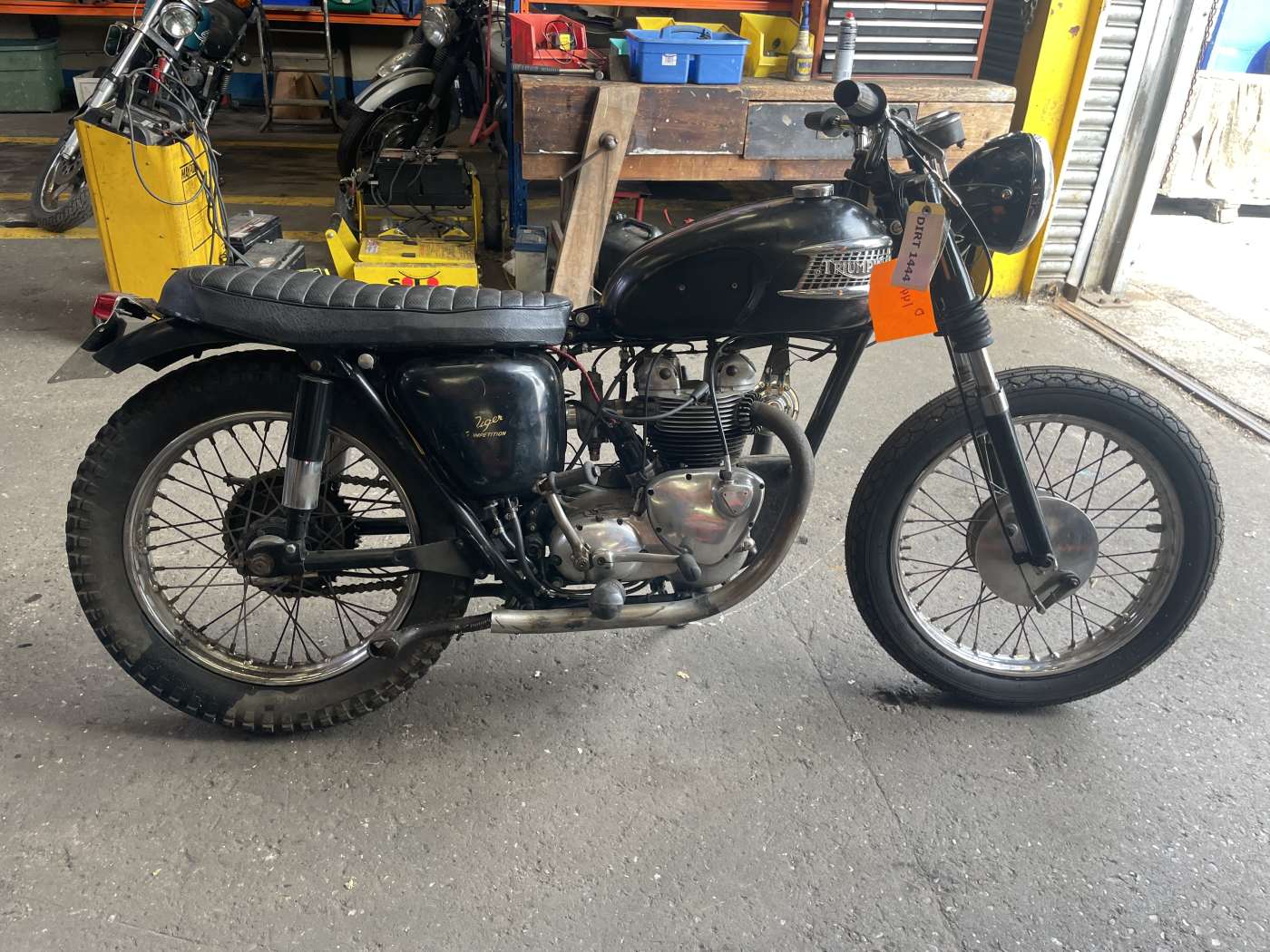 1962-Triumph-T100SS-Tiger-500cc-Running-Project-RefD1444
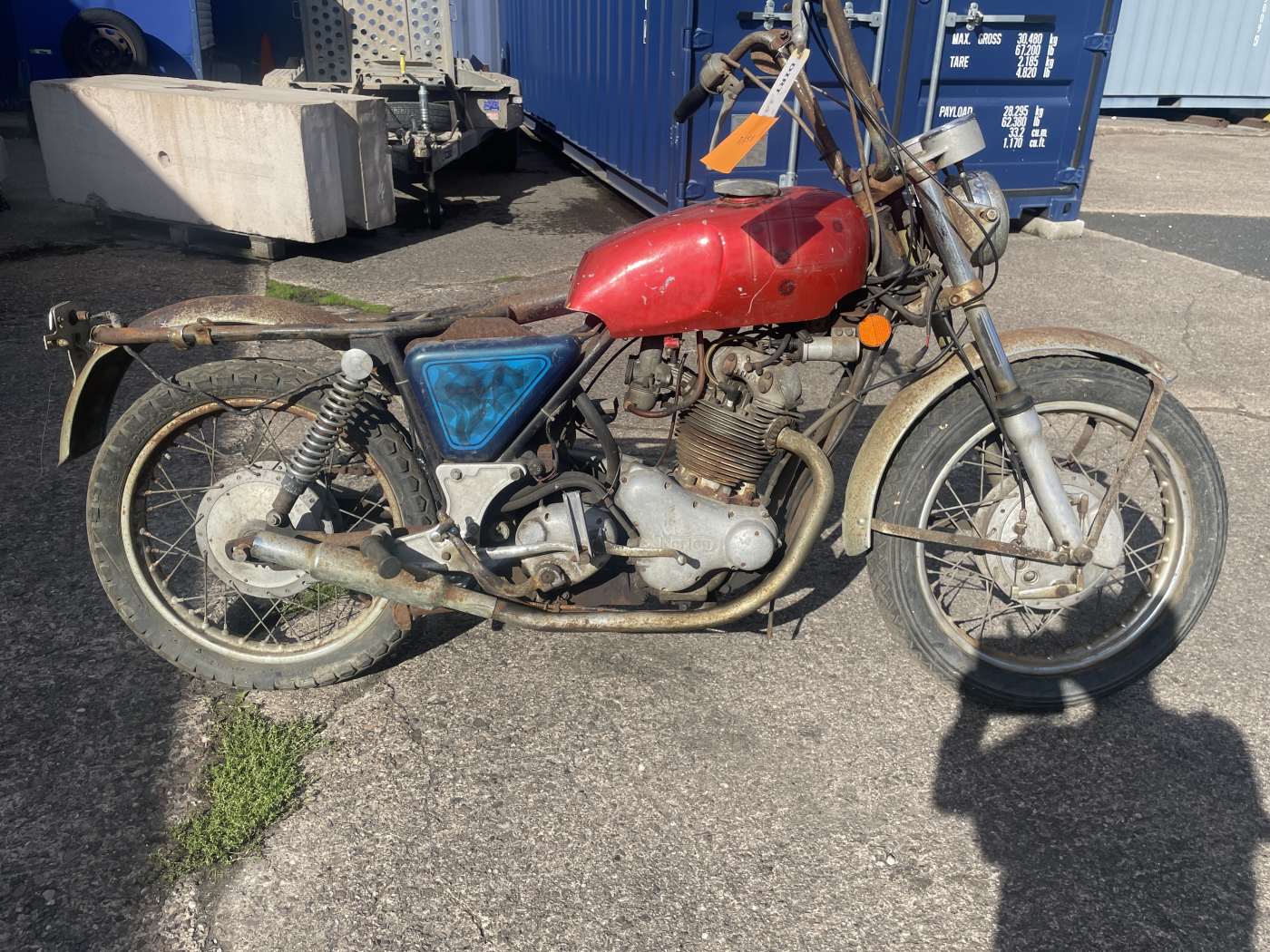 1971-Norton-Commando-750cc-Roadster-Project-Barn-Find-RefD1450
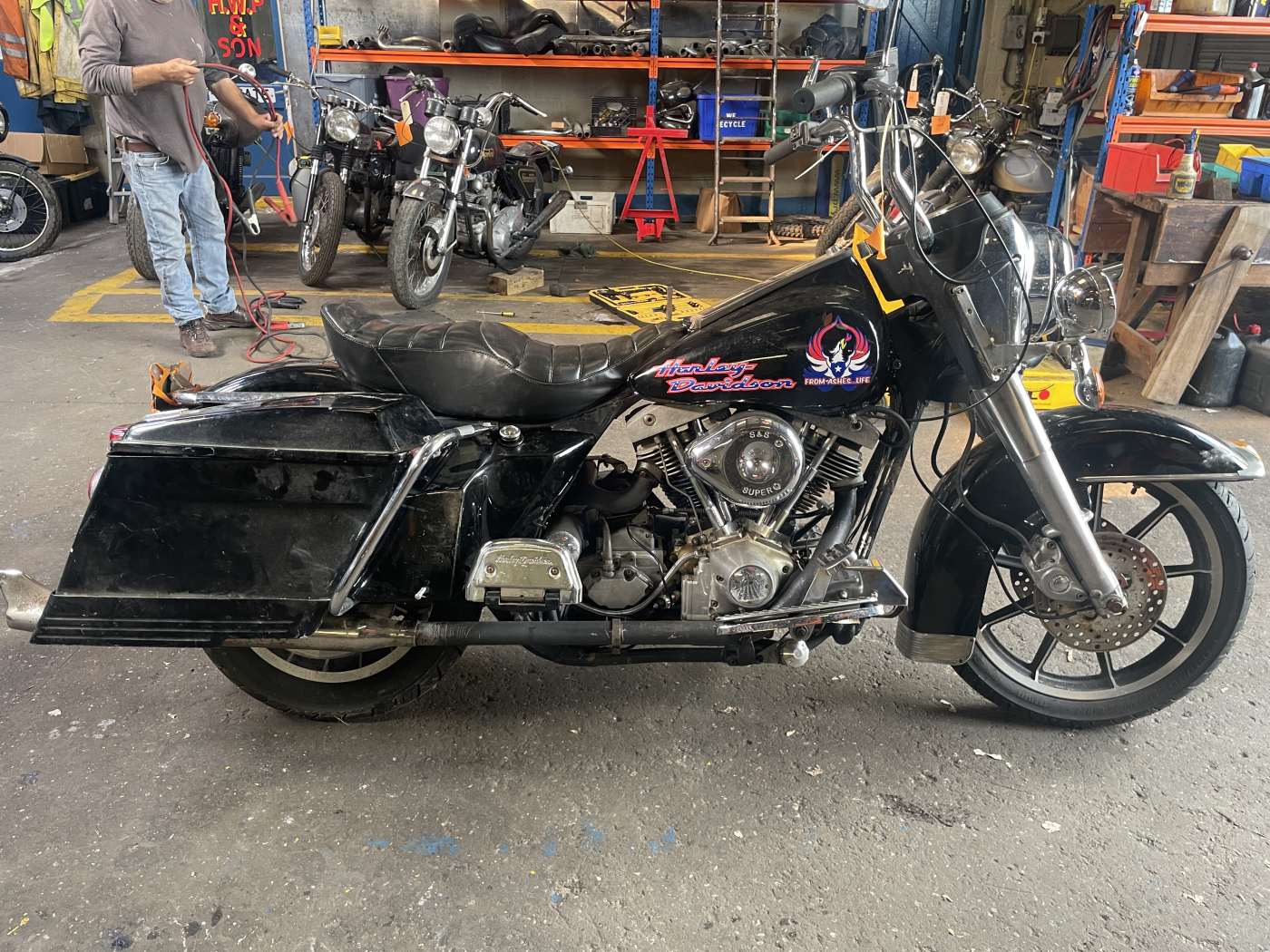 1980-Harley-Davidson-Shovelhead-FXE-1340-Tour-Glide-Running-Project-Ref1643