Classic and Classy Motorcycles Ltd
Vintage and Classic Motorcycle Importers
1980 Harley Davidson Shovelhead FXE 1340 Tour Glide Running Project Ref1643
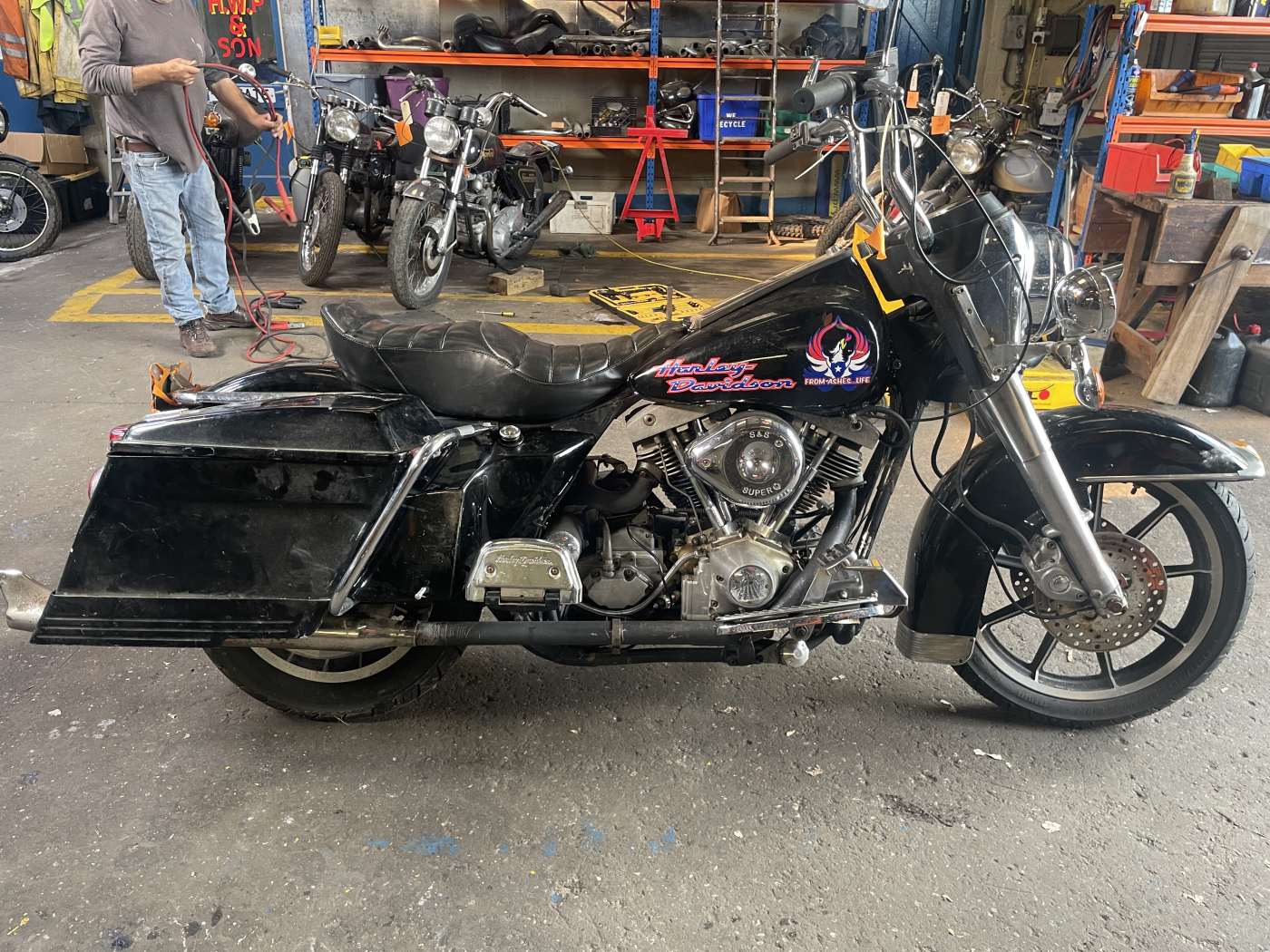
1980 Harley-Davidson Shovelhead FXE 1340cc – Tour Glide Style Running Project
Historical Context
The 1980 Harley-Davidson FXE was part of the Super Glide family and used Harley-Davidson’s larger 80 cubic inch Shovelhead V-twin. The FX series had originally been created by combining the company’s Big Twin engine and frame with lighter, sportier components, establishing the factory-custom formula that became an important part of Harley-Davidson’s range. This particular motorcycle is described as an FXE with Tour Glide styling or equipment, so it should not be confused with a factory FLT Tour Glide, which was a separate model introduced for 1980.
Technical Specifications and Performance
• Year: 1980
• Make: Harley-Davidson
• Model: FXE Super Glide – Tour Glide Style
• Engine Displacement: 1340cc / 80 cubic inches
• Engine Type: Air-cooled OHV 45° V-twin Shovelhead
• Carburetion: Carburettor
• Starting System: Electric start
• Transmission Type: 4-speed manual
• Final Drive: Chain
• Cooling System: Air-cooled
• Front Suspension: Telescopic forks
• Rear Suspension: Twin shock absorbers
• Braking System: Hydraulic disc brakes
• Current Configuration: FXE-based motorcycle with Tour Glide-style touring equipment
• Top Speed: Approximately 100 mph depending on gearing, specification and condition
Technical Advancements
By 1980, Harley-Davidson’s Shovelhead Big Twin had grown from the earlier 74 cubic inch engine to 80 cubic inches, providing increased torque particularly useful for cruising and touring. The FXE combined this engine with electric starting and a traditional 4-speed transmission. Harley-Davidson was also beginning to develop a new generation of touring motorcycles during this period, with the separate FLT Tour Glide introducing a frame-mounted fairing and a substantially different chassis concept.
Evolution of the Model
The FX Super Glide family began in 1971 and developed into several models during the 1970s, including the FXE and later FXS Low Rider. The basic concept was to offer a lighter and more sporting Big Twin than Harley-Davidson’s traditional FL touring machines. The Shovelhead remained Harley-Davidson’s principal Big Twin engine until the Evolution engine arrived during the 1980s. Touring models developed along a separate path, with the 1980 FLT Tour Glide helping establish the frame-mounted fairing layout that Harley-Davidson continued to use for decades.
Competitors in the Market
In 1980, Harley-Davidson faced strong competition from large-capacity Japanese motorcycles including the Honda Gold Wing, Kawasaki KZ1000, Yamaha XS1100 and Suzuki GS1000. These machines generally offered smoother multi-cylinder engines and more modern technology, while the Harley-Davidson appealed through its large-capacity V-twin torque, traditional engineering, distinctive styling and extensive potential for personalisation.
Legacy and Appeal
As a running project, this 1980 FXE offers an interesting combination of classic Shovelhead engineering and touring-style equipment. Because the FXE and FLT Tour Glide were distinct factory models, the motorcycle’s individual components and modifications are an important part of its history and character. Its 80ci Shovelhead engine, 4-speed transmission and period custom appearance make it an appealing basis for continued use, restoration or development into a personalised classic Harley-Davidson.
Find Classic Motorcycles
Stay in the loop - Subscribe for Updates
One email notification a month when a new shipment arrives.
 1980-Harley-Davidson-Shovelhead-FXE-1340-Tour-Glide-Running-Project-Ref1643
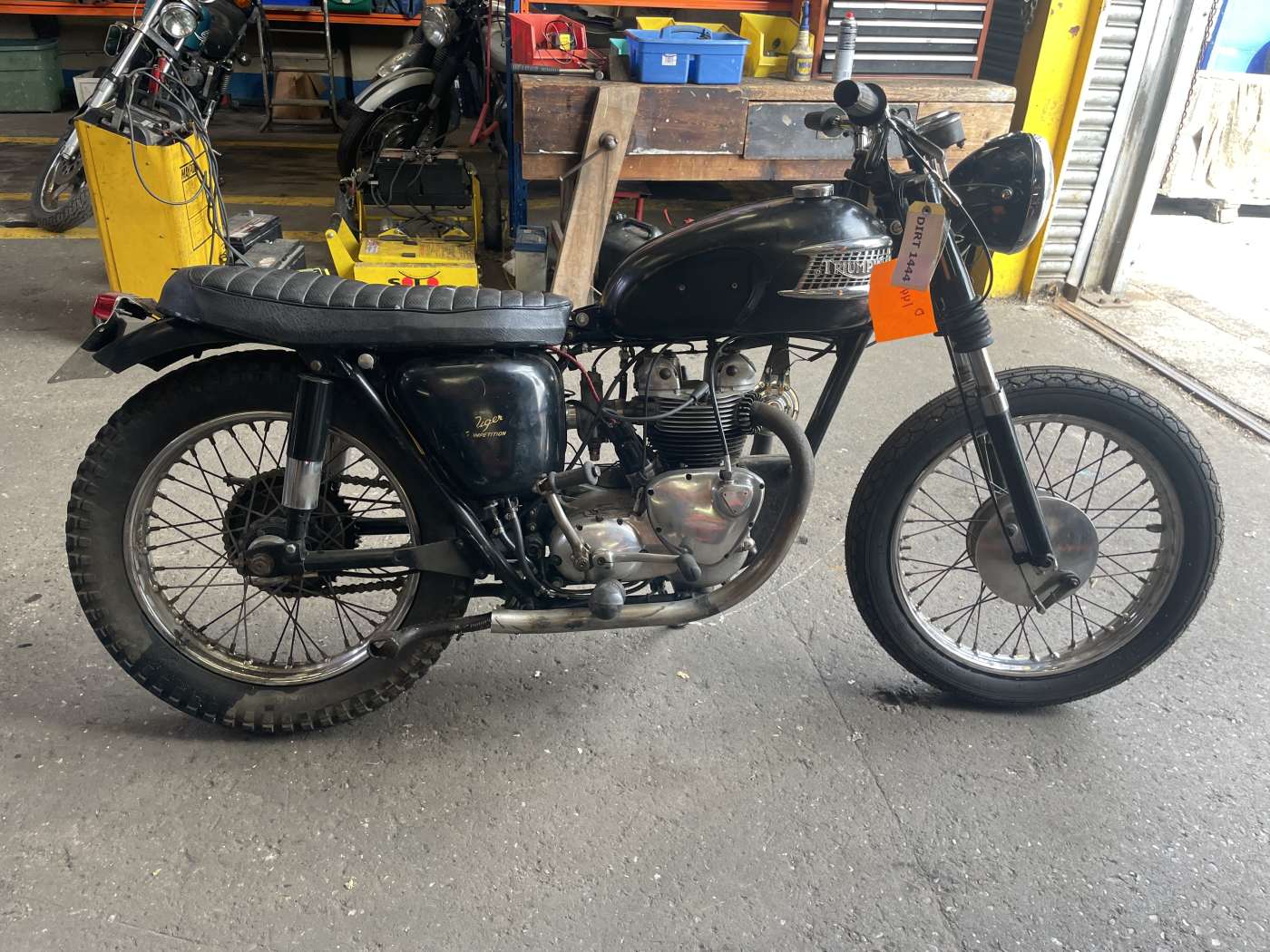 1962-Triumph-T100SS-Tiger-500cc-Running-Project-RefD1444
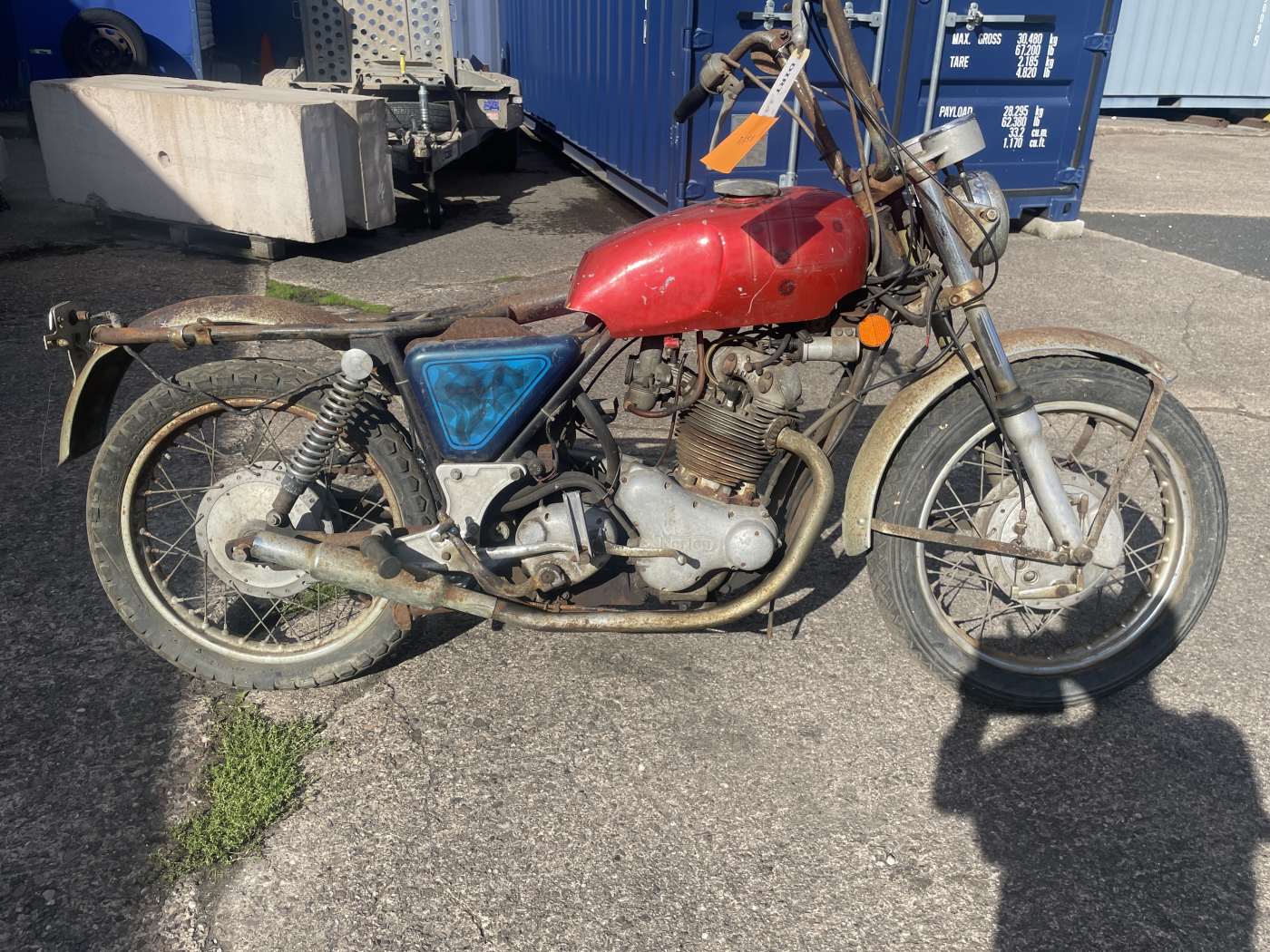 1971-Norton-Commando-750cc-Roadster-Project-Barn-Find-RefD1450
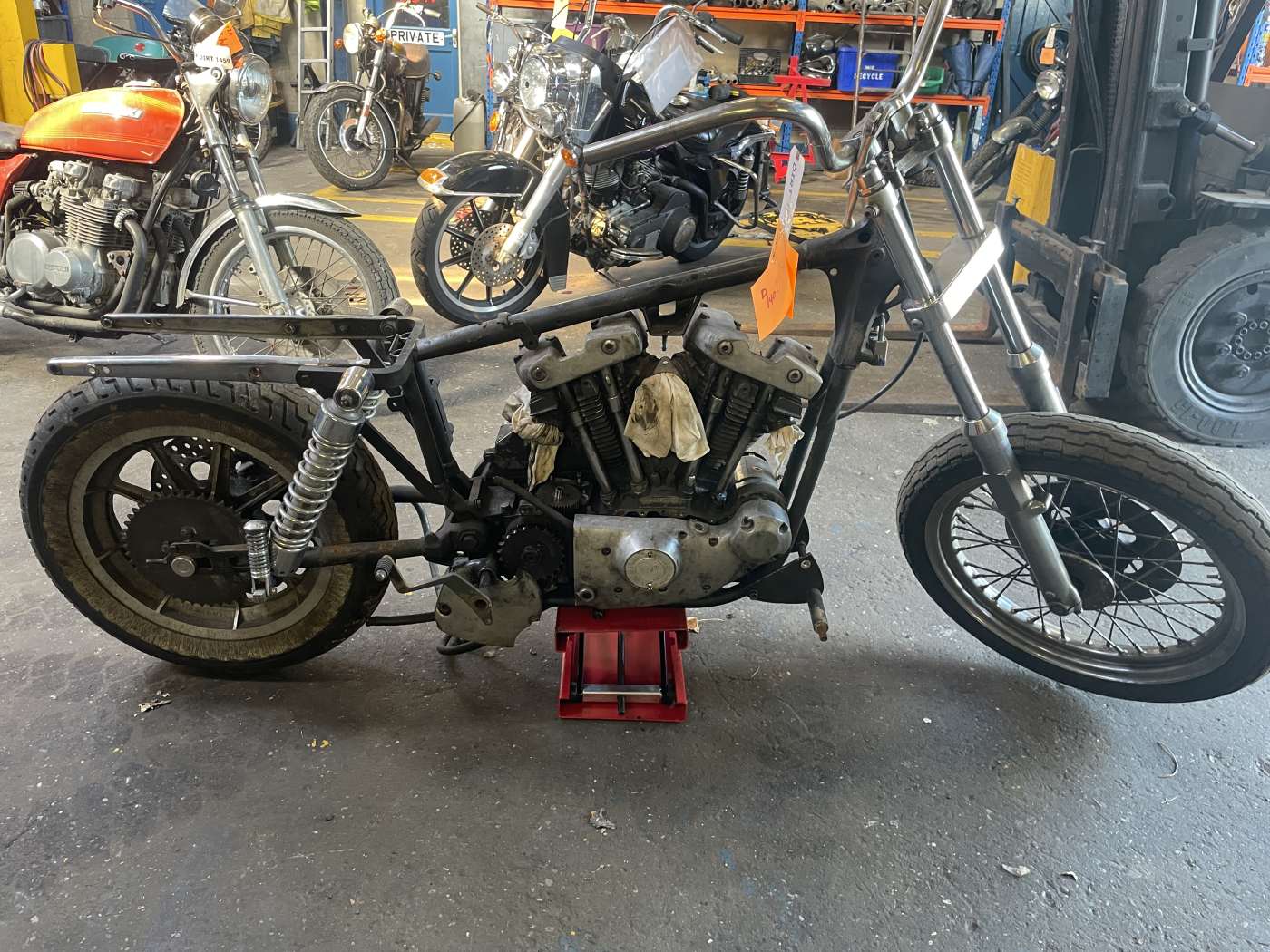 1974-Harley-Davidson-Ironhead-Sportster-1000cc-XLCH-Project-RefD1401