Classic and Classy Motorcycles Ltd
Vintage and Classic Motorcycle Importers
1979 Harley Davidson 1000cc Ironhead Sportster XLH Ref1592
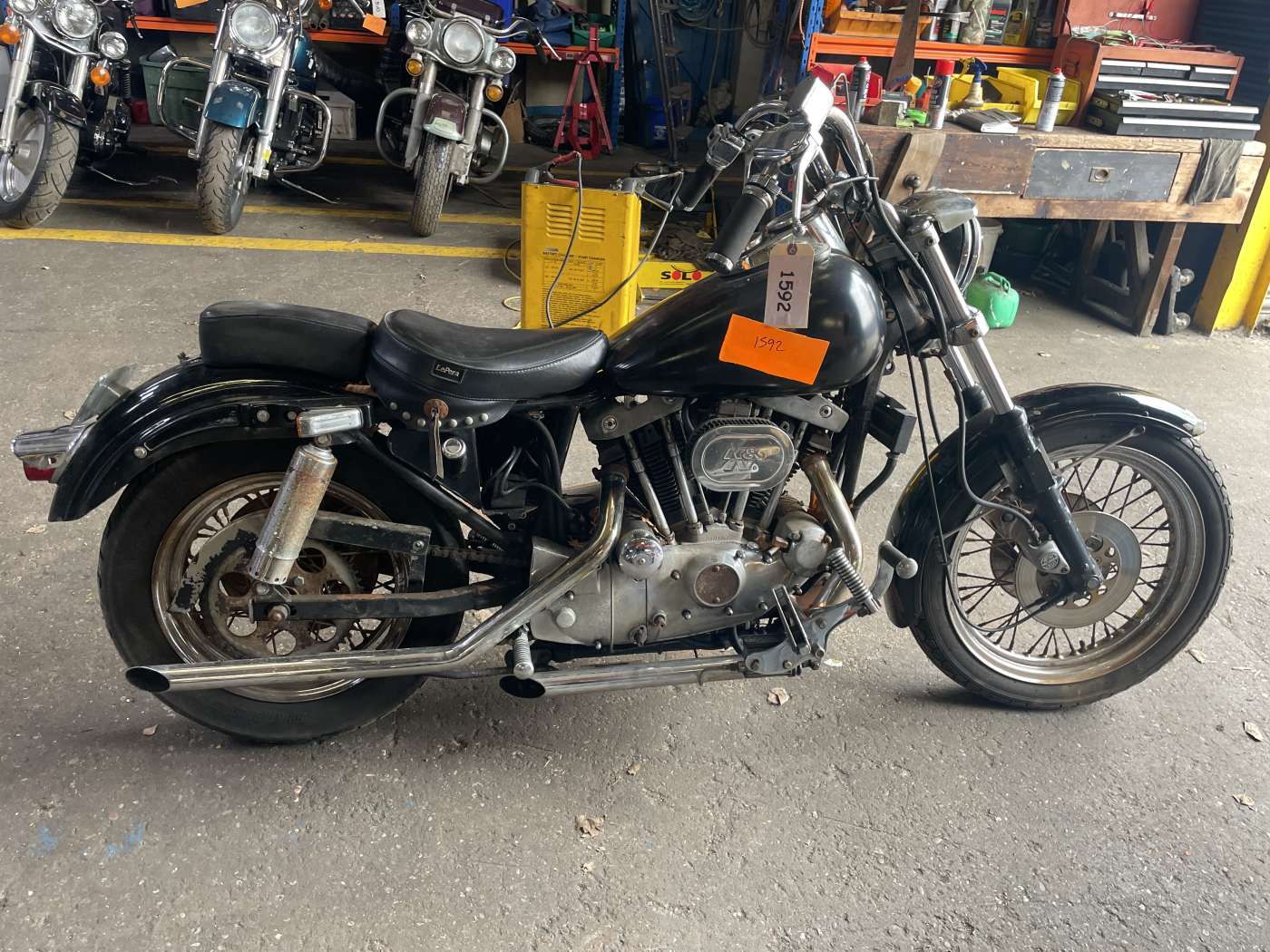
1979 Harley-Davidson XLH 1000cc Ironhead Sportster – Classic Electric Start V-Twin
Historical Context
The 1979 Harley-Davidson XLH 1000cc Sportster was part of the final decade of the Ironhead era, a design that had powered the Sportster range since 1957. By the late 1970s, the Sportster had grown into a 1000cc machine, delivering stronger performance and improved road capability compared to earlier versions. The XLH model was the more user-friendly variant, featuring electric start and more road-oriented equipment compared to the kickstart-focused XLCH. Produced during the AMF ownership period, the 1979 model reflects a time when Harley-Davidson was maintaining its traditional engineering while facing strong competition from more advanced Japanese motorcycles.
Technical Specifications and Performance
• Year: 1979
• Make: Harley-Davidson
• Model: XLH Sportster
• Engine Displacement: 1000cc (61 cubic inches)
• Engine Type: Air-cooled OHV 45° V-twin (Ironhead)
• Compression Ratio: Approx. 9.0:1
• Carburetion: Bendix carburetor
• Ignition System: Points ignition
• Transmission Type: 4-speed manual
• Final Drive: Chain
• Cooling System: Air-cooled
• Fuel Capacity: Approx. 3.3 gallons
• Braking System: Front disc, rear drum
• Dry Weight: Approx. 515 lbs
• Top Speed: Around 100–105 mph
Technical Advancements
By 1979, the Ironhead Sportster had been refined through years of incremental updates. The XLH featured electric start, making it far more practical for everyday use compared to earlier kick-only models. The introduction of a front disc brake improved stopping performance, while the simple mechanical layout made the bike easy to maintain and repair. The 1000cc engine delivered strong low-end torque and the distinctive sound that defined the Sportster line.
Evolution of the Model
The Sportster evolved from its original 883cc design into a 1000cc platform by the early 1970s, with ongoing improvements in reliability and usability. The XLH model focused on comfort and accessibility, making it popular with a wider range of riders. By the end of the 1970s, the Ironhead had reached a mature stage of development, just a few years before it would be replaced by the Evolution engine. The 1979 model sits firmly within this late Ironhead period, combining classic styling with the most developed version of the engine.
Competitors in the Market
In 1979, the XLH Sportster faced competition from Japanese machines such as the Honda CB750, Yamaha XS650, and Kawasaki KZ series. These bikes offered smoother engines and more modern features, but the Harley-Davidson stood apart with its strong torque, simple construction, and unmistakable V-twin character. The Sportster appealed to riders who valued heritage, sound, and mechanical simplicity over outright refinement.
Legacy and Appeal
Today, the 1979 XLH 1000cc Sportster remains a popular choice for classic Harley enthusiasts. As a project or restoration candidate, it offers strong parts availability and a straightforward mechanical design. The Ironhead engine provides a raw and engaging riding experience, while the bike’s compact size makes it ideal for custom builds such as bobbers or period-style restorations. It represents a true piece of Harley-Davidson history from the final years of the Ironhead era.
Find Classic Motorcycles
Stay in the loop - Subscribe for Updates
One email notification a month when a new shipment arrives.
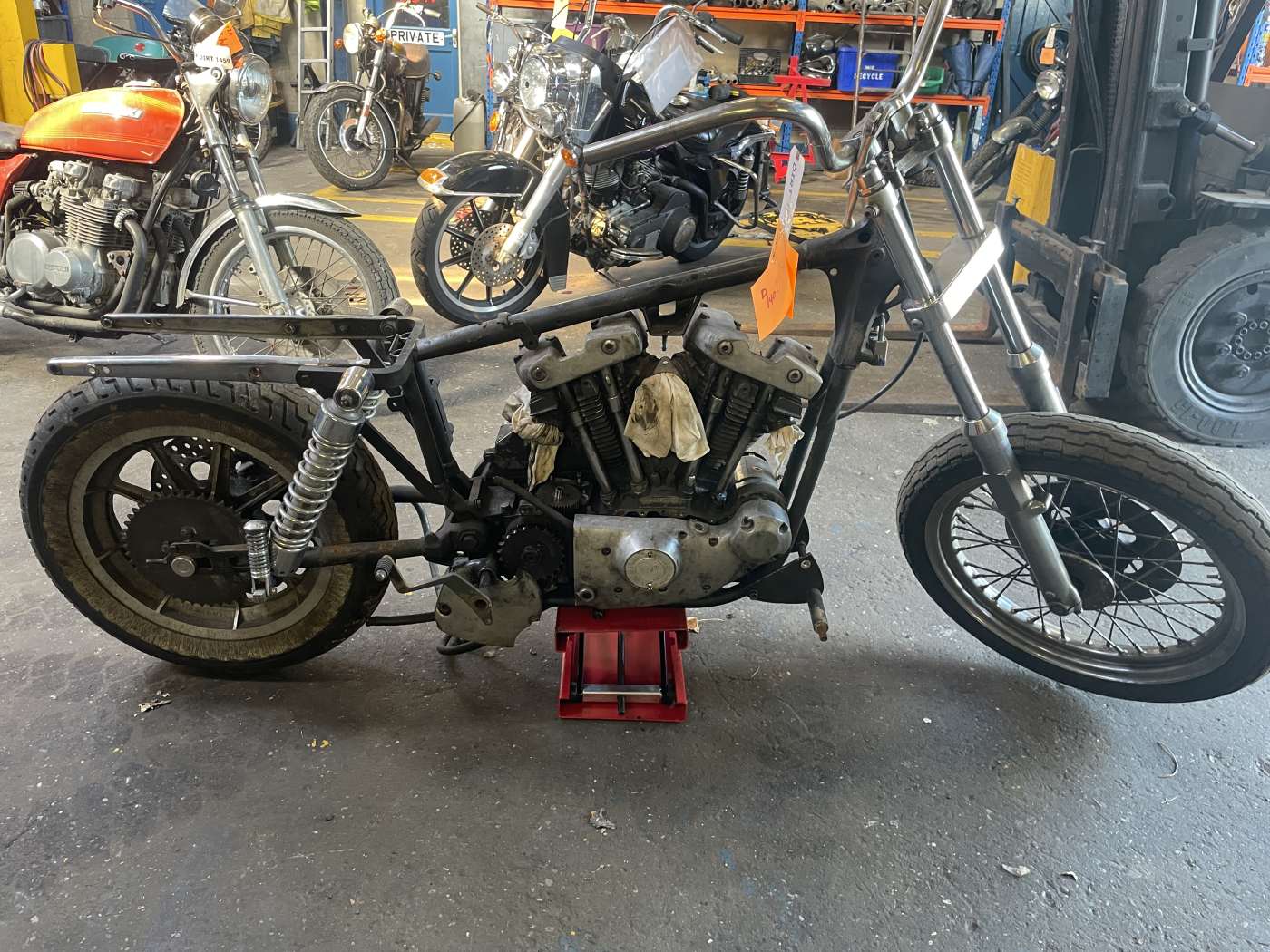 1974-Harley-Davidson-Ironhead-Sportster-1000cc-XLCH-Project-RefD1401
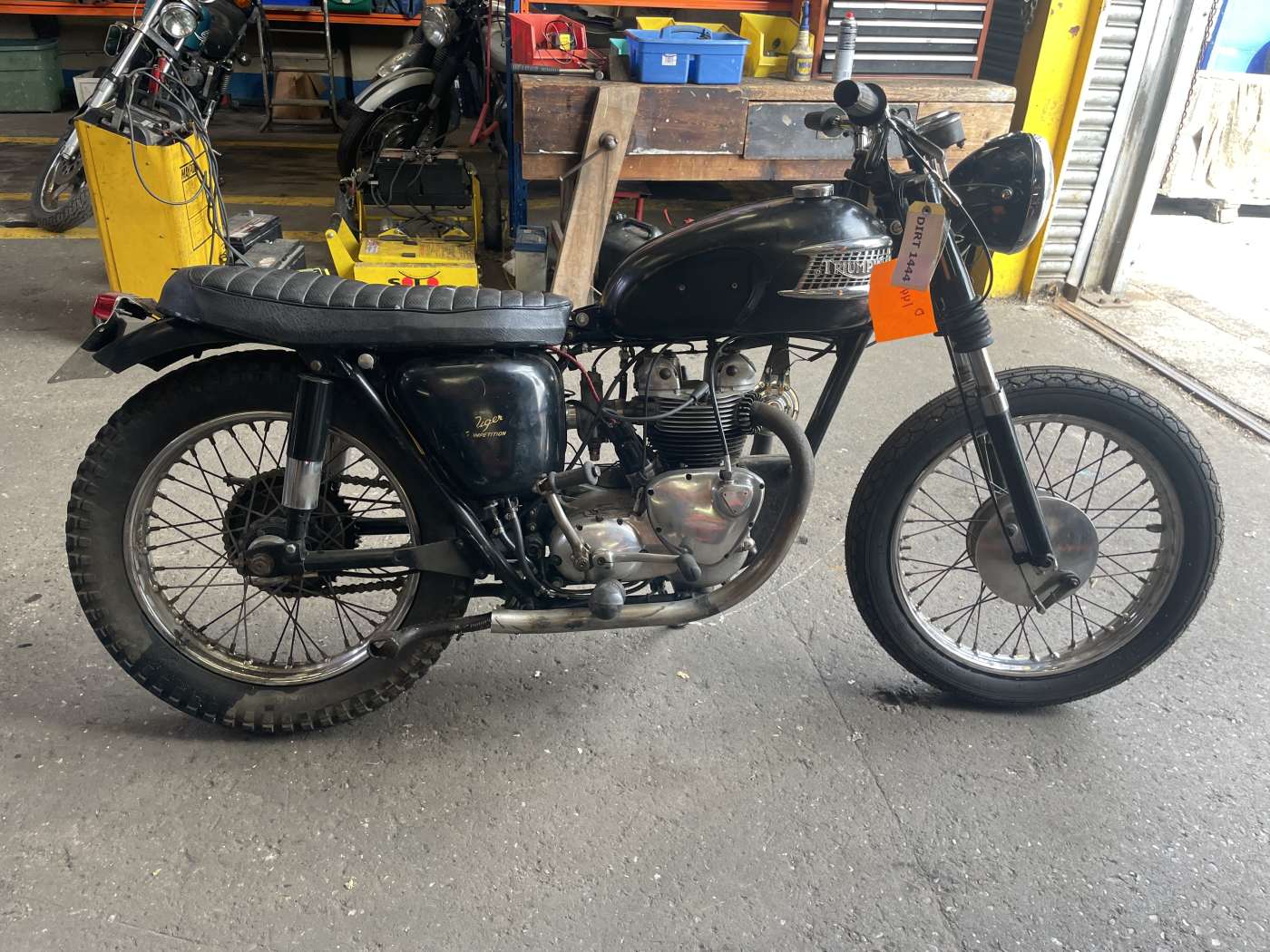 1962-Triumph-T100SS-Tiger-500cc-Running-Project-RefD1444
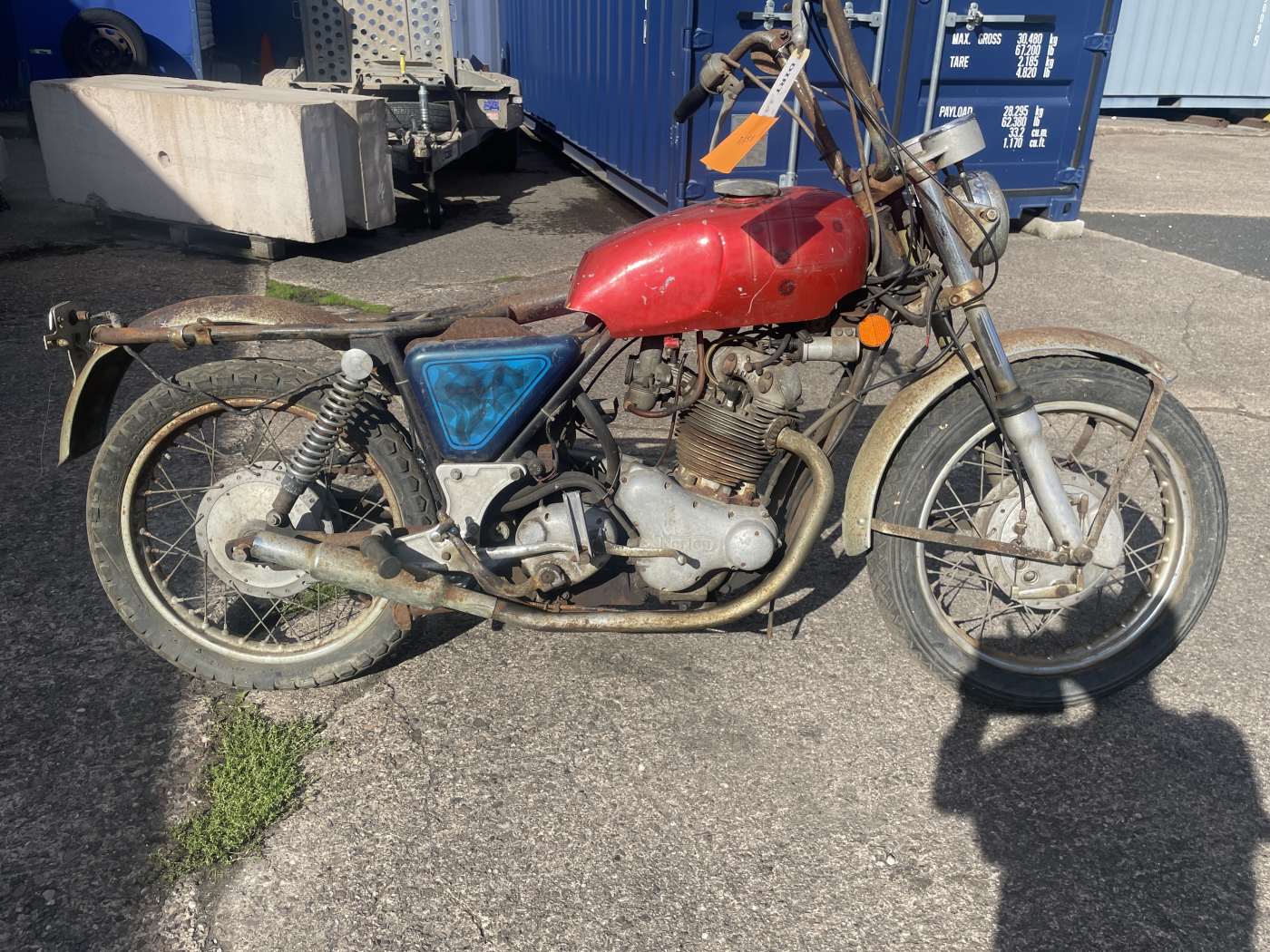 1971-Norton-Commando-750cc-Roadster-Project-Barn-Find-RefD1450
 1980-Harley-Davidson-Shovelhead-FXE-1340-Tour-Glide-Running-Project-Ref1643