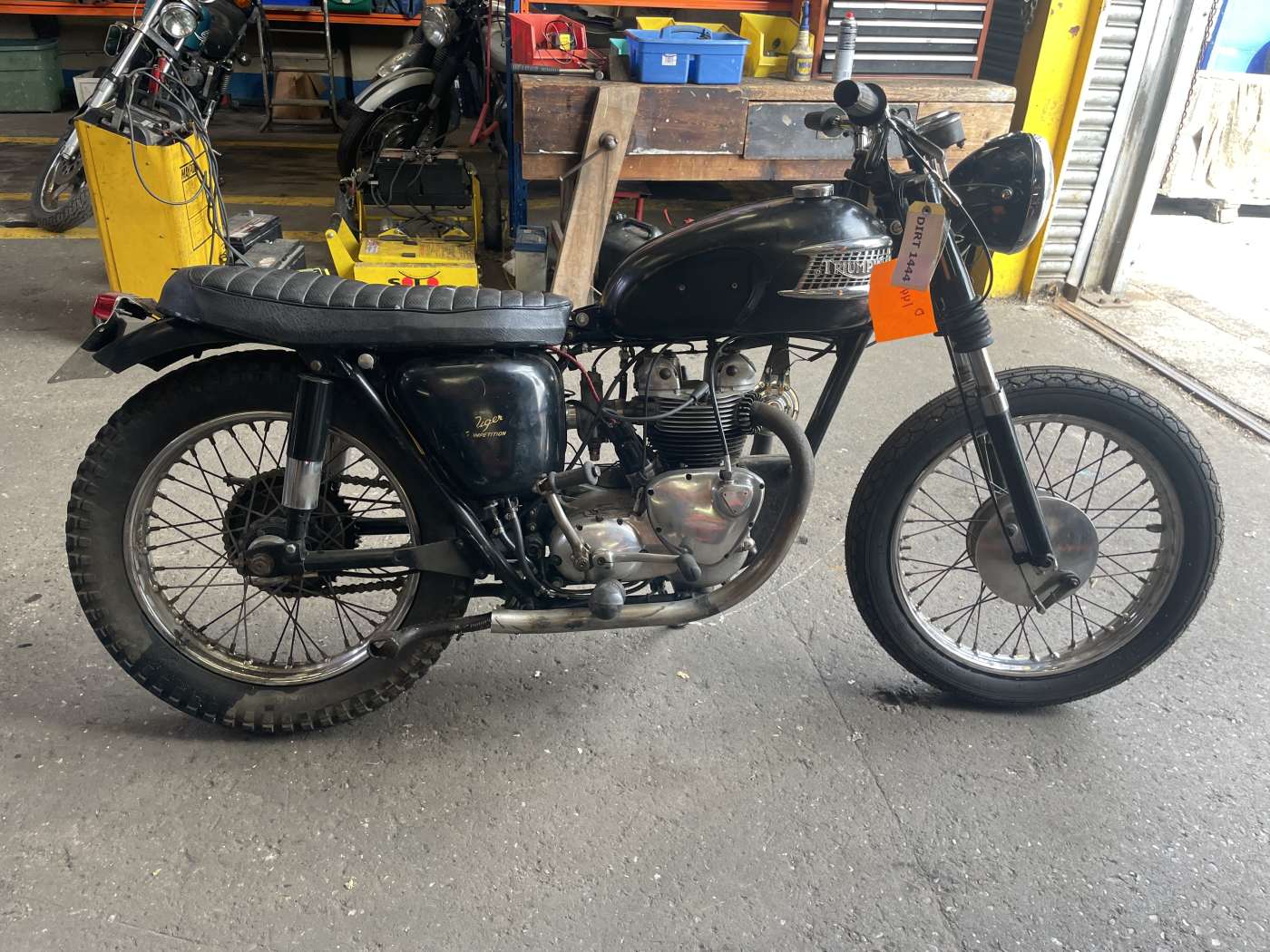
 1962-Triumph-T100SS-Tiger-500cc-Running-Project-RefD1444
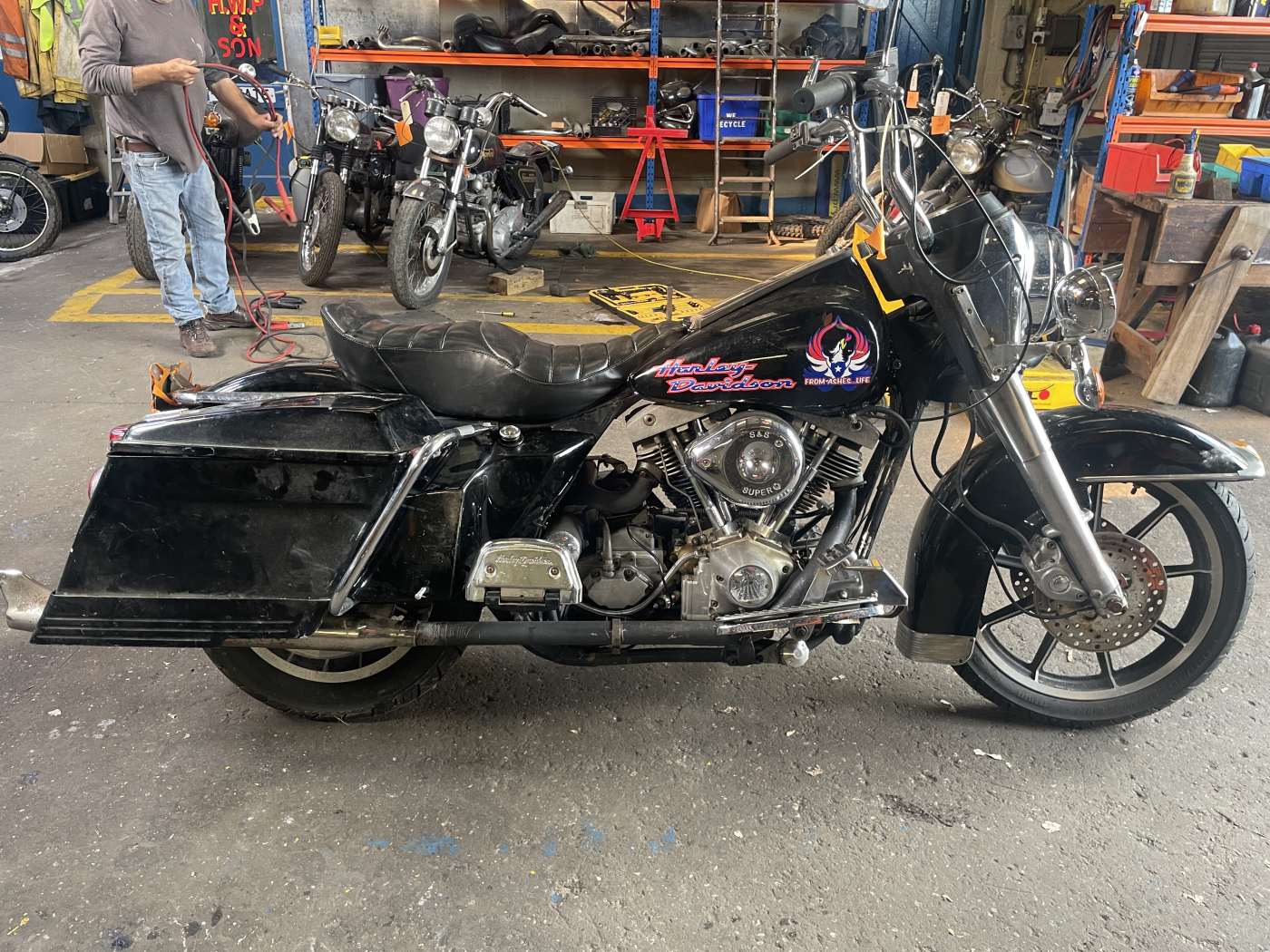 1980-Harley-Davidson-Shovelhead-FXE-1340-Tour-Glide-Running-Project-Ref1643
Historical Context
The 1979 Harley-Davidson XLH Sportster was part of the long-running Ironhead generation that began with the original Sportster in 1957. Designed as Harley-Davidson’s lighter and sportier motorcycle, the Sportster developed a reputation for strong performance and distinctive American V-twin character. By 1979, the Ironhead engine had been enlarged to 1000cc for several years, and the XLH represented the more road-orientated, electric-start version of the Sportster range.
Technical Specifications and Performance
• Year: 1979
• Make: Harley-Davidson
• Model: XLH Sportster
• Engine Displacement: 997cc (61 cubic inches)
• Engine Type: Air-cooled OHV 45° V-twin Ironhead
• Bore and Stroke: Approx. 3.19in x 3.81in
• Carburetion: Carburettor
• Ignition System: Electronic ignition on 1979 specification
• Starting System: Electric start
• Transmission Type: 4-speed manual
• Gear Change: Left-foot change
• Final Drive: Chain
• Cooling System: Air-cooled
• Front Suspension: Telescopic forks
• Rear Suspension: Twin shock absorbers
• Braking System: Hydraulic disc brakes front and rear
• Top Speed: Approximately 105–110 mph depending on condition and gearing
Technical Advancements
For 1979, the Sportster received significant chassis and component changes compared with earlier Ironheads. The frame was revised and the rear brake changed from the earlier drum arrangement to a hydraulic disc, giving the motorcycle disc braking at both ends. Electronic ignition was another useful development, while the XLH retained electric starting for greater everyday convenience. The 997cc Ironhead engine continued to provide the strong low and mid-range performance associated with Harley-Davidson’s sporting V-twin.
Evolution of the Model
The Sportster had originally appeared in 1957 with an 883cc overhead-valve engine using cast-iron cylinder heads, which later gave the engine its familiar Ironhead nickname. Capacity increased to 997cc for 1972, and the model continued to evolve throughout the decade with changes to its frame, brakes, electrics and controls. The Ironhead remained in production through the first half of the 1980s before being replaced by the aluminium-head Evolution Sportster engine for the 1986 model year.
Competitors in the Market
By 1979, the XLH Sportster occupied a distinctive position in a market increasingly dominated by sophisticated Japanese motorcycles from Honda, Kawasaki, Suzuki and Yamaha. Four-cylinder machines generally offered greater refinement and outright performance, but the Sportster provided a very different experience with its narrow chassis, large 45-degree V-twin, strong mechanical character and unmistakable Harley-Davidson appearance.
Legacy and Appeal
Today, the 1979 XLH is an interesting Ironhead because it combines traditional Sportster character with several of the updates introduced towards the end of the 1970s. Its 1000cc V-twin, 4-speed transmission and relatively simple mechanical construction provide a distinctly different experience from later Evolution-powered Sportsters. Surviving examples remain popular with enthusiasts looking for an old-school Harley-Davidson that retains the sound, appearance and hands-on character of the Ironhead era.
One email notification a month when a new shipment arrives.
1962-Triumph-T100SS-Tiger-500cc-Running-Project-RefD14441980-Harley-Davidson-Shovelhead-FXE-1340-Tour-Glide-Running-Project-Ref1643