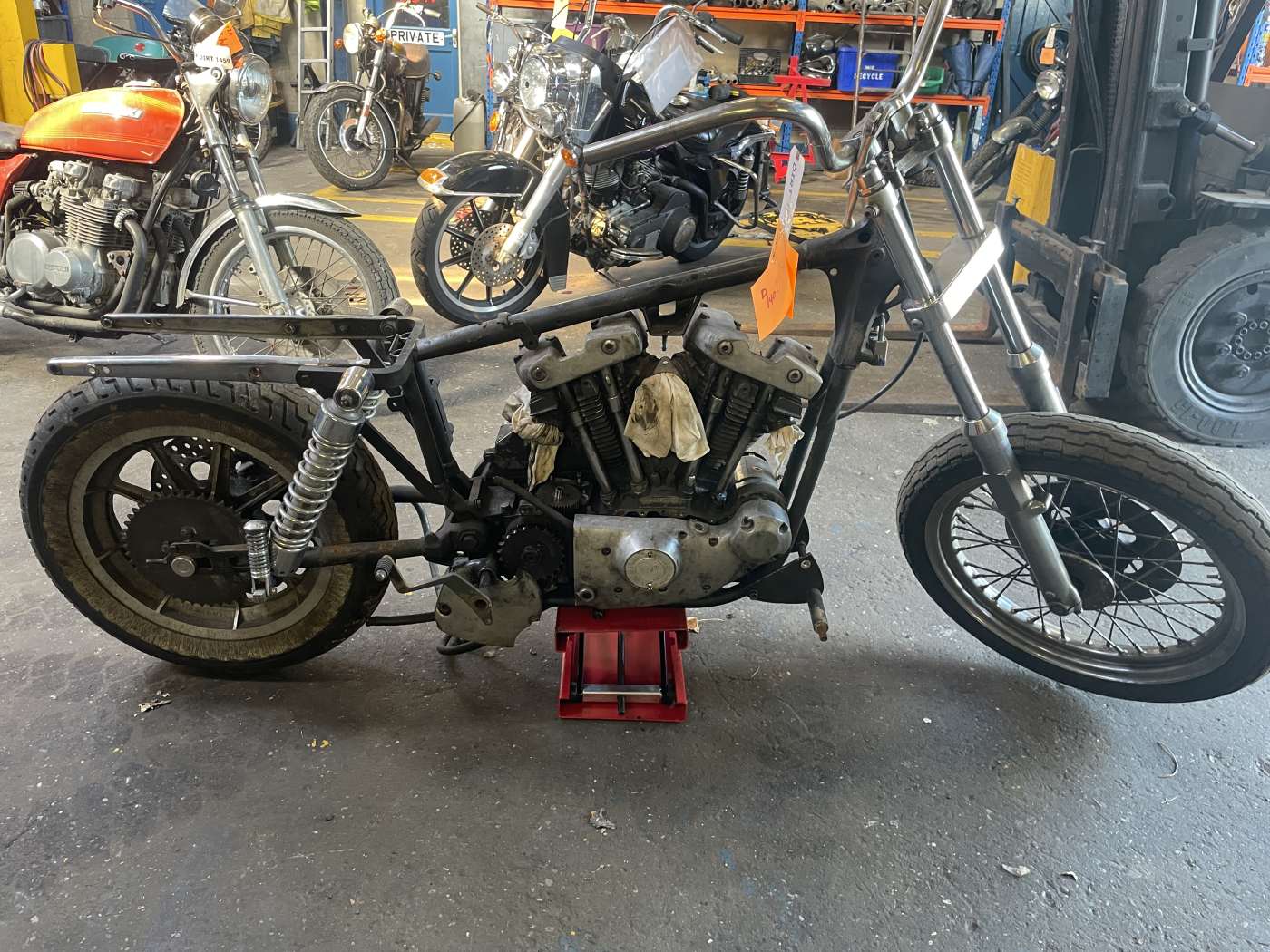
 1974-Harley-Davidson-Ironhead-Sportster-1000cc-XLCH-Project-RefD1401
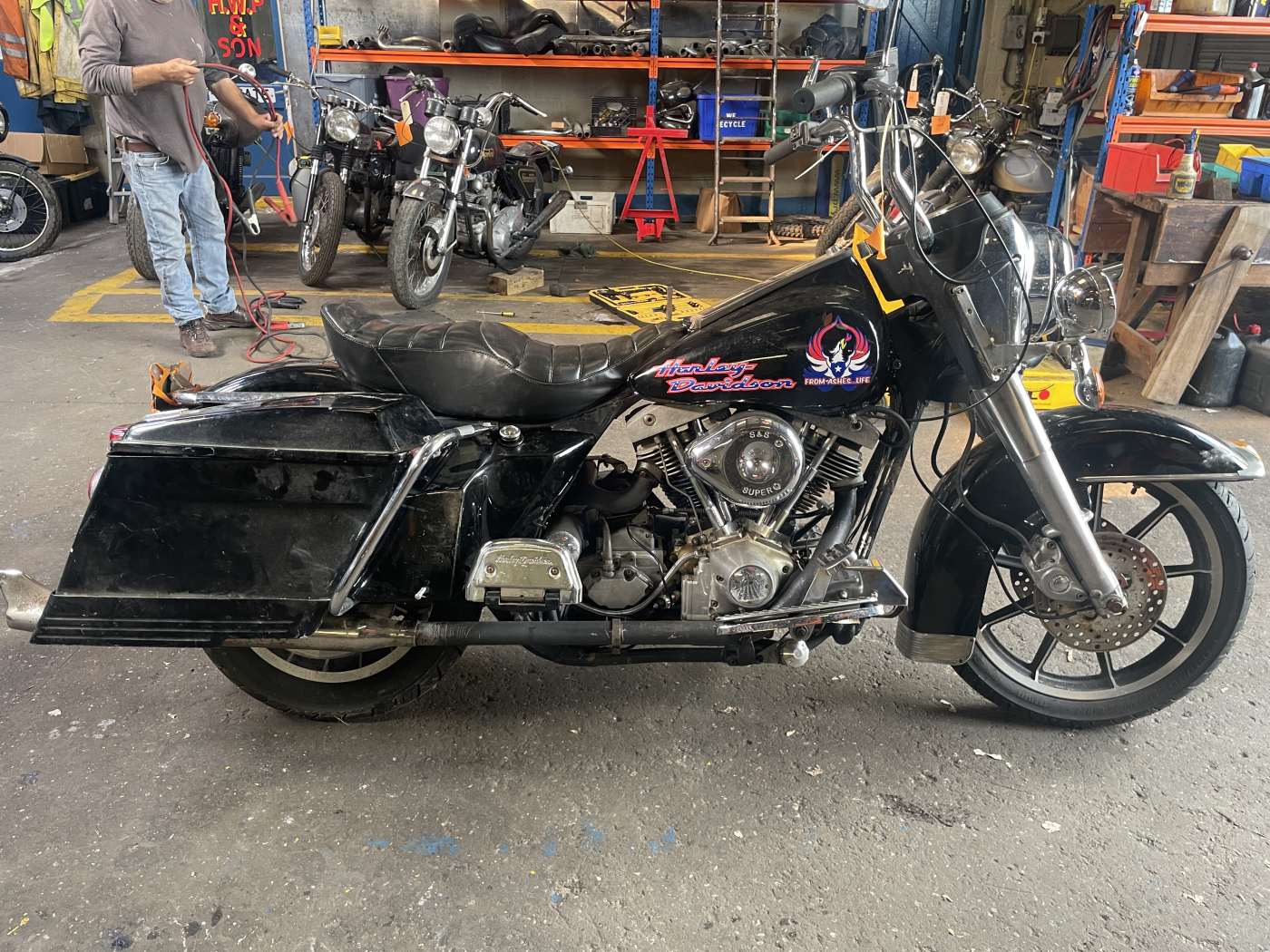 1980-Harley-Davidson-Shovelhead-FXE-1340-Tour-Glide-Running-Project-Ref1643
Historical Context
The 1989 Harley-Davidson XLH 1200 Sportster was part of the early Evolution-powered Sportster generation that helped restore Harley-Davidson’s reputation for reliability and quality. Following the introduction of the Evolution engine in 1986, the Sportster became a far more refined and dependable motorcycle while retaining the character and styling that had made it famous. The XLH 1200 offered increased performance over smaller-capacity models and quickly became a favourite among riders looking for a lightweight Harley with strong torque and classic styling. By 1989, the Evolution Sportster was firmly established as one of Harley-Davidson’s most successful motorcycles.
Technical Specifications and Performance
• Year: 1989
• Make: Harley-Davidson
• Model: XLH 1200 Sportster
• Engine Displacement: 1200cc (73.4 cubic inches)
• Engine Type: Air-cooled OHV 45° V-twin (Evolution)
• Compression Ratio: Approx. 9.0:1
• Carburetion: Keihin carburetor
• Ignition System: Electronic ignition
• Transmission Type: 5-speed manual
• Final Drive: Belt
• Cooling System: Air-cooled
• Fuel Capacity: Approx. 3.3 gallons
• Braking System: Single disc front and rear
• Dry Weight: Approx. 540 lbs
• Top Speed: Around 105–110 mph
Technical Advancements
The Evolution engine was a major advancement over the earlier Ironhead motor, offering improved cooling, reduced oil leaks, and significantly better reliability. Electronic ignition improved starting performance and consistency, while the belt final drive reduced maintenance compared to traditional chain-driven motorcycles. The 1200cc version delivered strong low-end torque and lively acceleration, making it one of the most enjoyable Sportsters of its era.
Evolution of the Model
The XLH 1200 evolved from the original Sportster concept while retaining the model’s compact dimensions and distinctive styling. The introduction of the Evolution engine transformed the Sportster into a modern and dependable motorcycle without losing its traditional Harley-Davidson character. By the late 1980s, the model had become increasingly popular with riders looking for a lighter and more agile alternative to Harley’s larger Big Twin motorcycles.
Competitors in the Market
In 1989, the XLH 1200 competed with motorcycles such as the Yamaha Virago 1100, Honda Shadow VT1100, and Kawasaki Vulcan series. While these competitors offered smooth operation and modern engineering, the Harley-Davidson stood apart with its unmistakable V-twin character, strong torque delivery, and extensive customisation potential. The Sportster appealed to riders seeking an authentic American motorcycle experience.
Legacy and Appeal
As a running project, the 1989 XLH 1200 Sportster offers the opportunity to enjoy the motorcycle while gradually restoring, improving, or customising it. Early Evolution Sportsters are increasingly appreciated for their reliability, simplicity, and historical significance. With excellent parts availability and strong aftermarket support, the XLH 1200 remains one of the most versatile and rewarding classic Harley-Davidsons to own, combining everyday usability with timeless styling and character.
One email notification a month when a new shipment arrives.
1974-Harley-Davidson-Ironhead-Sportster-1000cc-XLCH-Project-RefD14011980-Harley-Davidson-Shovelhead-FXE-1340-Tour-Glide-Running-Project-Ref1643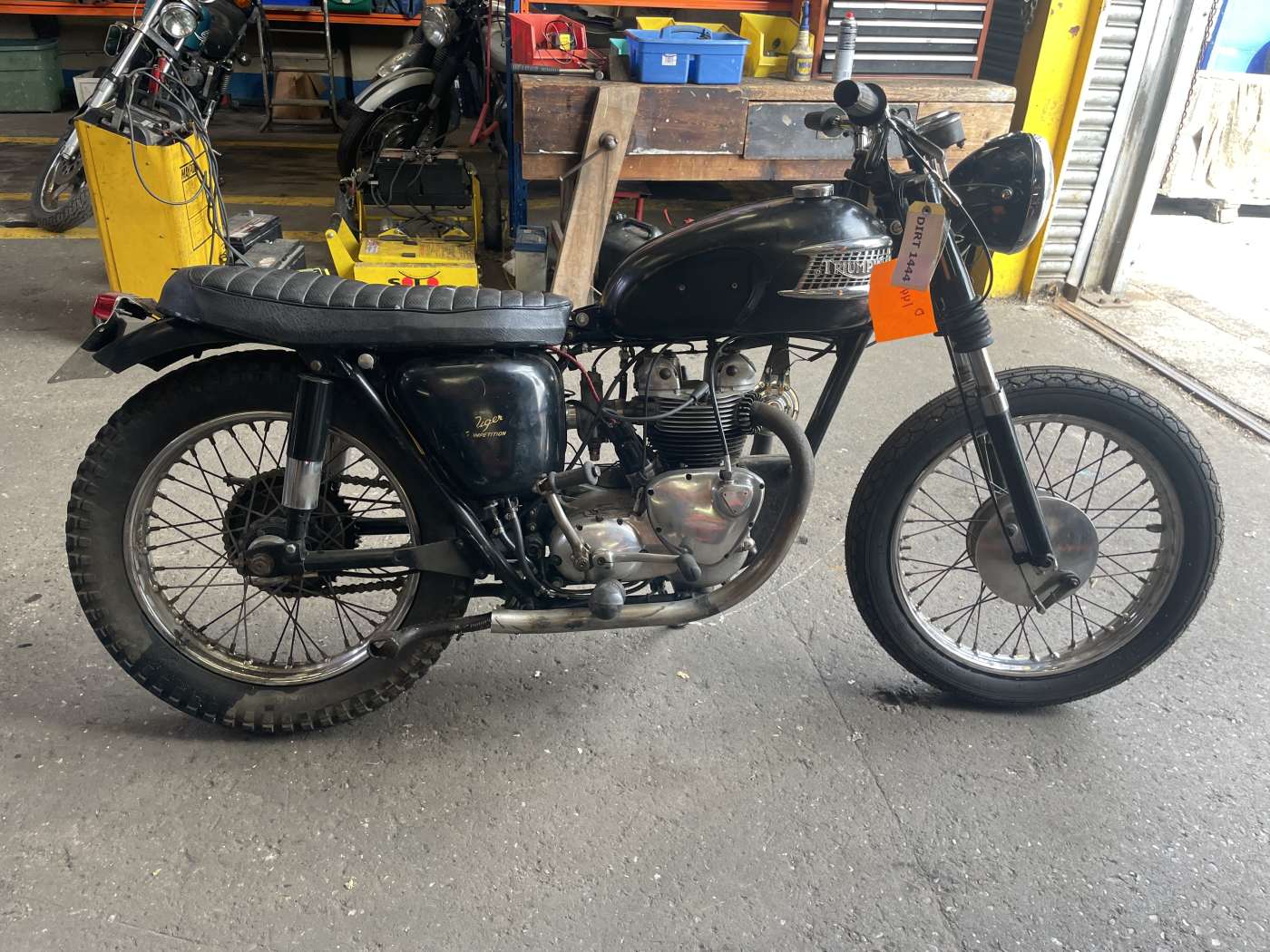 1962-Triumph-T100SS-Tiger-500cc-Running-Project-RefD1444
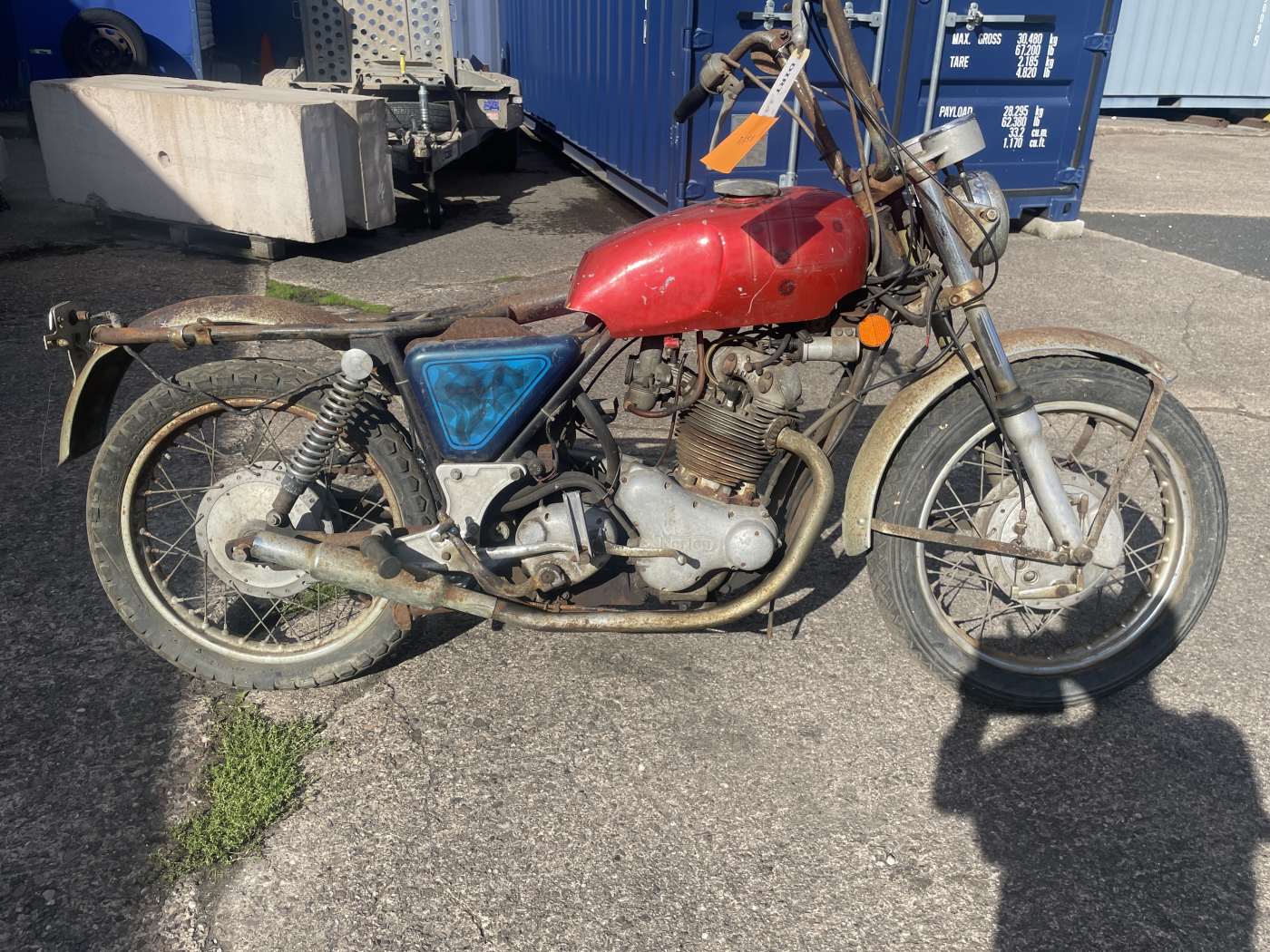 1971-Norton-Commando-750cc-Roadster-Project-Barn-Find-RefD1450