Classic and Classy Motorcycles Ltd
Vintage and Classic Motorcycle Importers
1988 Harley Davidson 1340cc FXRS Evo
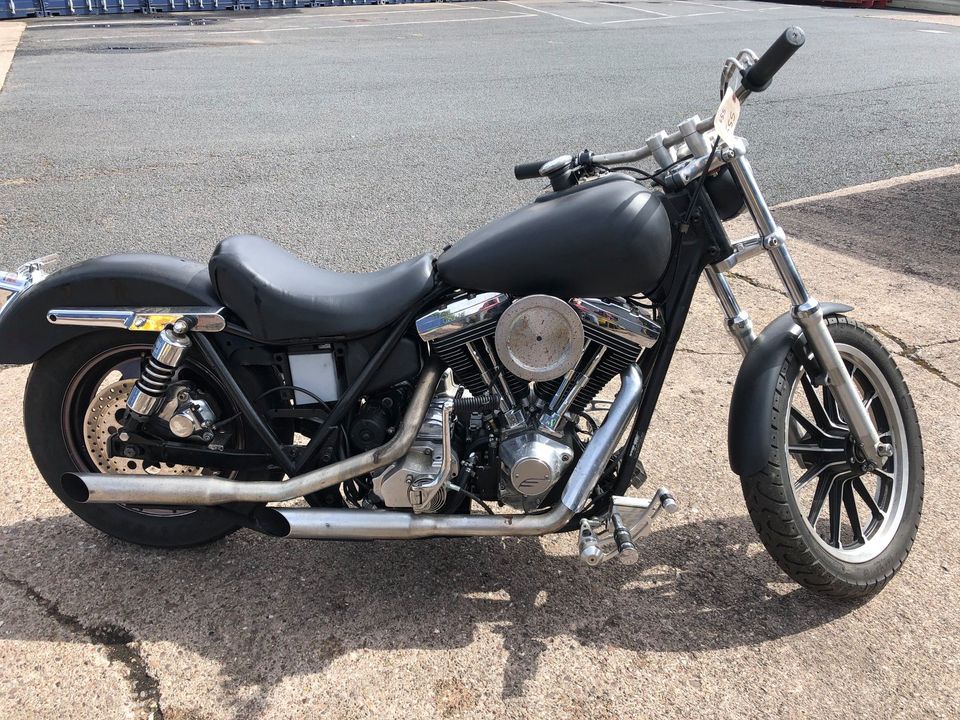
1988 Harley-Davidson 1340cc FXRS Evo: A Blend of Tradition and Innovation
The 1988 Harley-Davidson 1340cc FXRS Evo stands as a testament to Harley-Davidson's enduring commitment to blending tradition with cutting-edge innovation. This model year was particularly significant for the FXRS line, as it featured the robust 1340cc Evolution engine, which was instrumental in redefining the performance landscape for Harley-Davidson motorcycles. The FXRS Evo combined the raw power and reliability of the new engine with the classic Harley styling, making it a favorite among enthusiasts seeking both performance and heritage.
Technical Specifications and Performance
• Year: 1988
• Make: Harley-Davidson
• Model: 1340cc FXRS Evo
• Engine Displacement: 1340cc
• Compression Ratio: 8.5:1
• Carburetion: Single Keihin carburetor
• Ignition System: Electronic
• Cooling System: Air-cooled
• Fuel Capacity: 4.2 gallons
• Wheelbase: 62.5 inches
• Horsepower: Estimated 65 hp
• Torque: Estimated 73 lb-ft
• Transmission Type: 5-speed manual
• Suspension System: Front telescopic fork, rear dual shocks
• Braking System: Front and rear disc brakes
• Dry Weight: Approximately 600 lbs
• Top Speed: Approximately 110 mph
• Acceleration: 0-60 mph in about 6.0 seconds
Technical advancements: The Evolution engine represented a significant leap forward in terms of both power and reliability. Known affectionately as the "Evo" engine, it provided a foundation upon which Harley-Davidson could build a new generation of motorcycles. The FXRS with this engine benefited from improved performance characteristics, including better heat dissipation, reduced oil leakage, and increased overall durability.
Evolution of the Model: The FXRS model line itself has always been known for its versatility and the 1988 iteration continued this tradition. It offered riders a mix of comfort and functionality, with a design that was as suited to long-distance touring as it was to quick jaunts around town. The incorporation of the Evo engine into this model line helped solidify its position as a cornerstone of the Harley-Davidson fleet.
Cultural impact: The 1988 FXRS Evo played a significant role in Harley-Davidson's resurgence during the late 1980s. It appealed to a broad range of riders, from die-hard enthusiasts to newcomers attracted by the blend of classic Harley styling and modern performance. Its popularity helped to reinforce Harley-Davidson's iconic status within the motorcycle community and beyond.
Competitors: In 1988, the FXRS Evo faced competition from a variety of high-performance motorcycles produced by both American and international manufacturers. However, its unique combination of power, reliability, and classic styling allowed it to stand out in a crowded market. The bike's success during this period is a testament to the enduring appeal of the Harley-Davidson brand and its ability to innovate while staying true to its roots.
Find Classic Motorcycles
Stay in the loop - Subscribe for Updates
One email notification a month when a new shipment arrives.
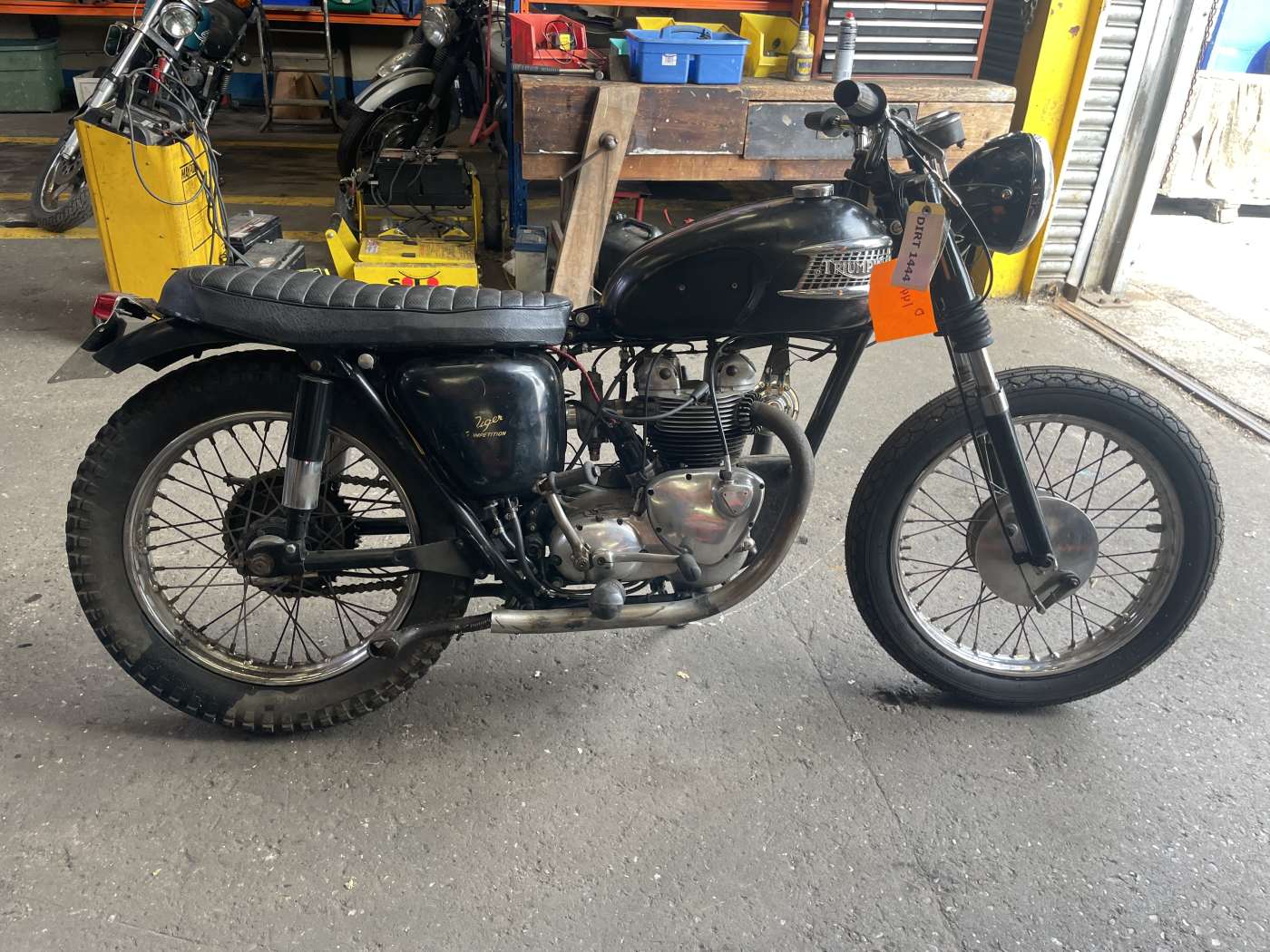 1962-Triumph-T100SS-Tiger-500cc-Running-Project-RefD1444
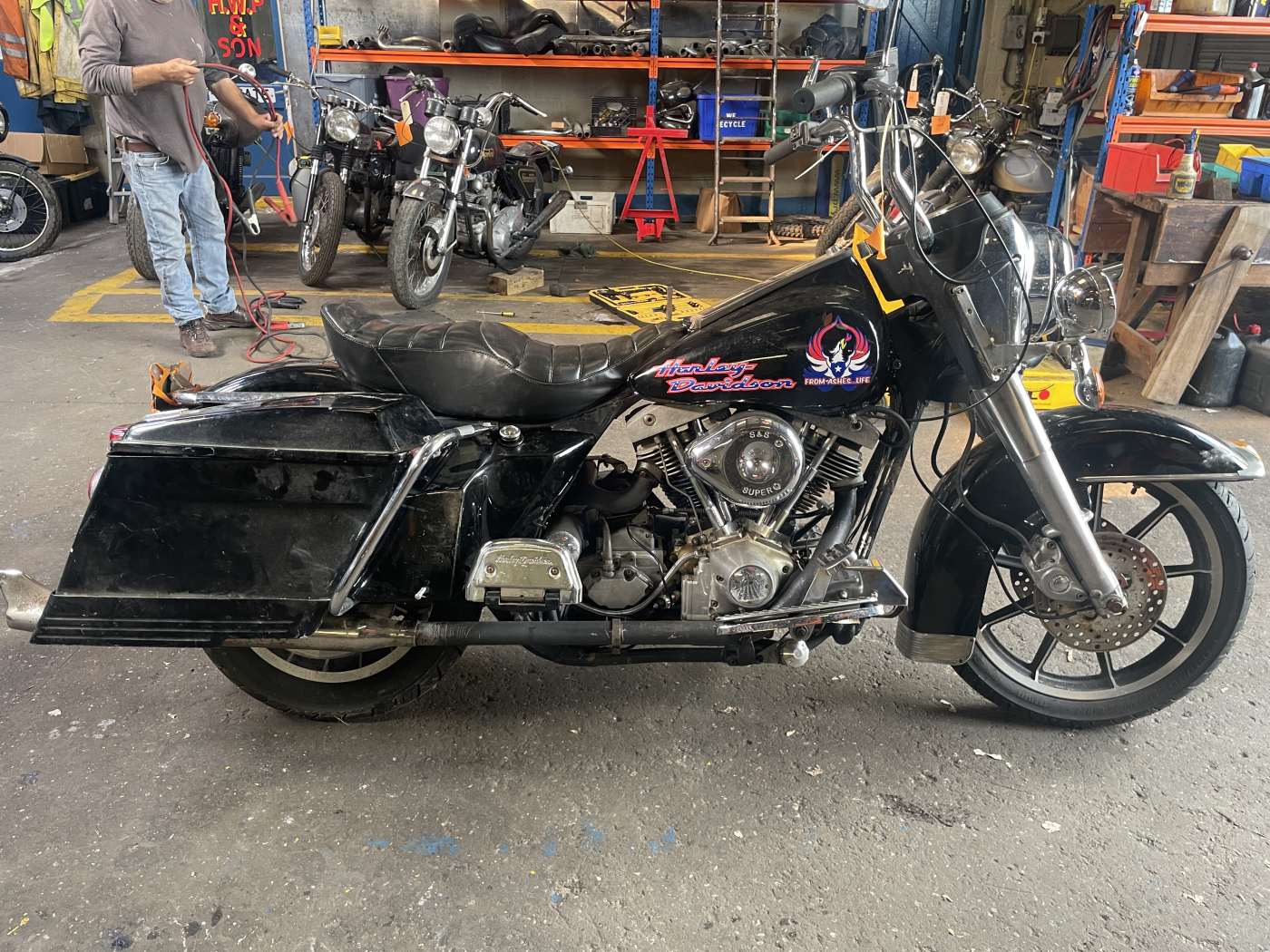 1980-Harley-Davidson-Shovelhead-FXE-1340-Tour-Glide-Running-Project-Ref1643